

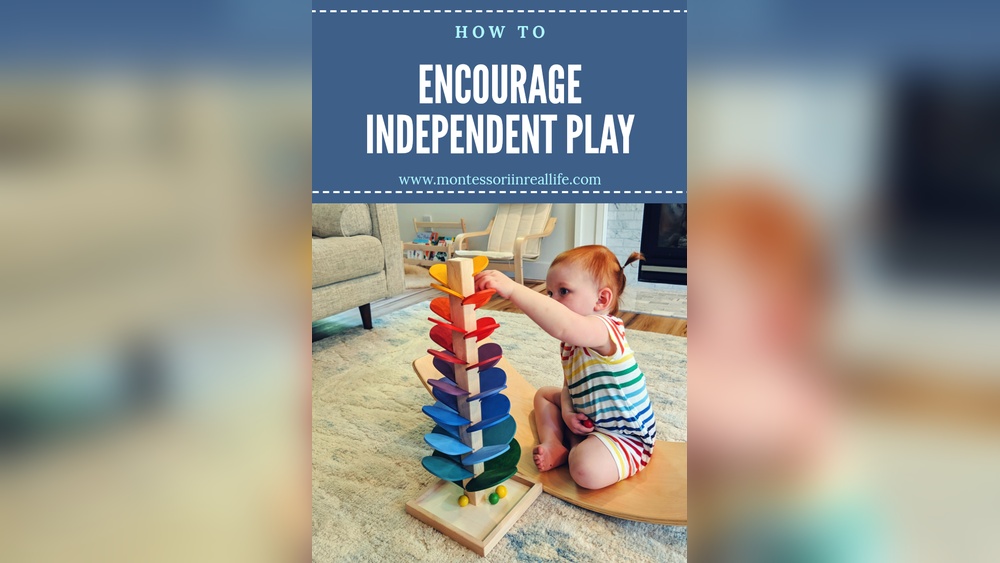
Do you want your child to enjoy playing on their own while building creativity and confidence? Encouraging independent toy play is one of the best ways to help your child grow and learn without constant supervision.
But how do you make this happen without feeling guilty or worried? You’ll discover simple, proven tips that can turn playtime into a fun, independent adventure for your little one. Keep reading to unlock the secrets to fostering your child’s independence through toys—your peace of mind and their happiness depend on it!
Benefits Of Independent Toy Play
Independent toy play offers many benefits for children’s growth. It helps kids learn new skills and gain confidence. Playing alone lets children explore their ideas and feelings freely. This type of play supports important areas of development. It also encourages children to enjoy quiet, focused time.
Enhancing Creativity
Playing alone sparks children’s imagination. They create stories and adventures using toys. This freedom allows new ideas to form. Kids learn to think outside the box. Creativity grows as they invent different ways to play.
Improving Focus
Independent play helps children practice paying attention. They learn to concentrate on one activity for longer. This improves their ability to stay calm and patient. Focus is an important skill for school and life. Playing alone builds this skill naturally.
Building Problem-solving Skills
When kids play by themselves, they face small challenges. They figure out how toys work or solve puzzles. This builds critical thinking and decision-making skills. Children learn to try different solutions and not give up. These problem-solving skills help in many areas later.

Credit: www.safariltd.com
Choosing The Right Toys
Choosing the right toys is key to encouraging independent play. The right toys keep children interested and help them explore on their own. Toys that suit their needs and skills support learning and creativity. Picking toys carefully helps children build confidence and enjoy playing alone.
Open-ended Toys
Open-ended toys have no set rules or limits. They let children use their imagination freely. Blocks, play dough, and simple dolls are great examples. These toys invite endless ways to play. Kids can create stories, build things, or role-play. Such toys grow with the child and offer new challenges as skills improve.
Age-appropriate Options
Age matters when choosing toys. Toys too simple can bore a child. Toys too hard can frustrate them. Look for toys labeled for your child’s age. These toys match their abilities and interests. Age-appropriate toys help children feel successful. They encourage longer, more focused play sessions.
Toys That Stimulate Imagination
Toys that spark imagination boost independent play. Dress-up clothes, puppets, and miniature figures work well. These toys invite pretend play and storytelling. Imaginative play helps children think creatively and solve problems. Such toys keep children busy and happy without needing much help.
Creating A Play-friendly Environment
Creating a play-friendly environment helps children enjoy independent toy play. It gives them a safe space to explore and learn. The right setting encourages creativity and focus. Small changes in the room can make a big difference. Kids feel more confident when their play area is inviting and organized.
Designating A Play Space
Choose a spot just for play. This area should be easy to reach and safe. It can be a corner of a room or a small tent. Make sure the space feels special and fun. Use colorful rugs or cushions to mark the play zone. A clear play space helps kids know where to go for toys and games.
Minimizing Distractions
Keep the play area calm and quiet. Turn off the TV and reduce noise. Avoid placing the play space near busy or loud parts of the house. Remove items that are not related to play. A calm environment helps children focus better on their toys. It also supports longer play sessions.
Organizing Toys For Easy Access
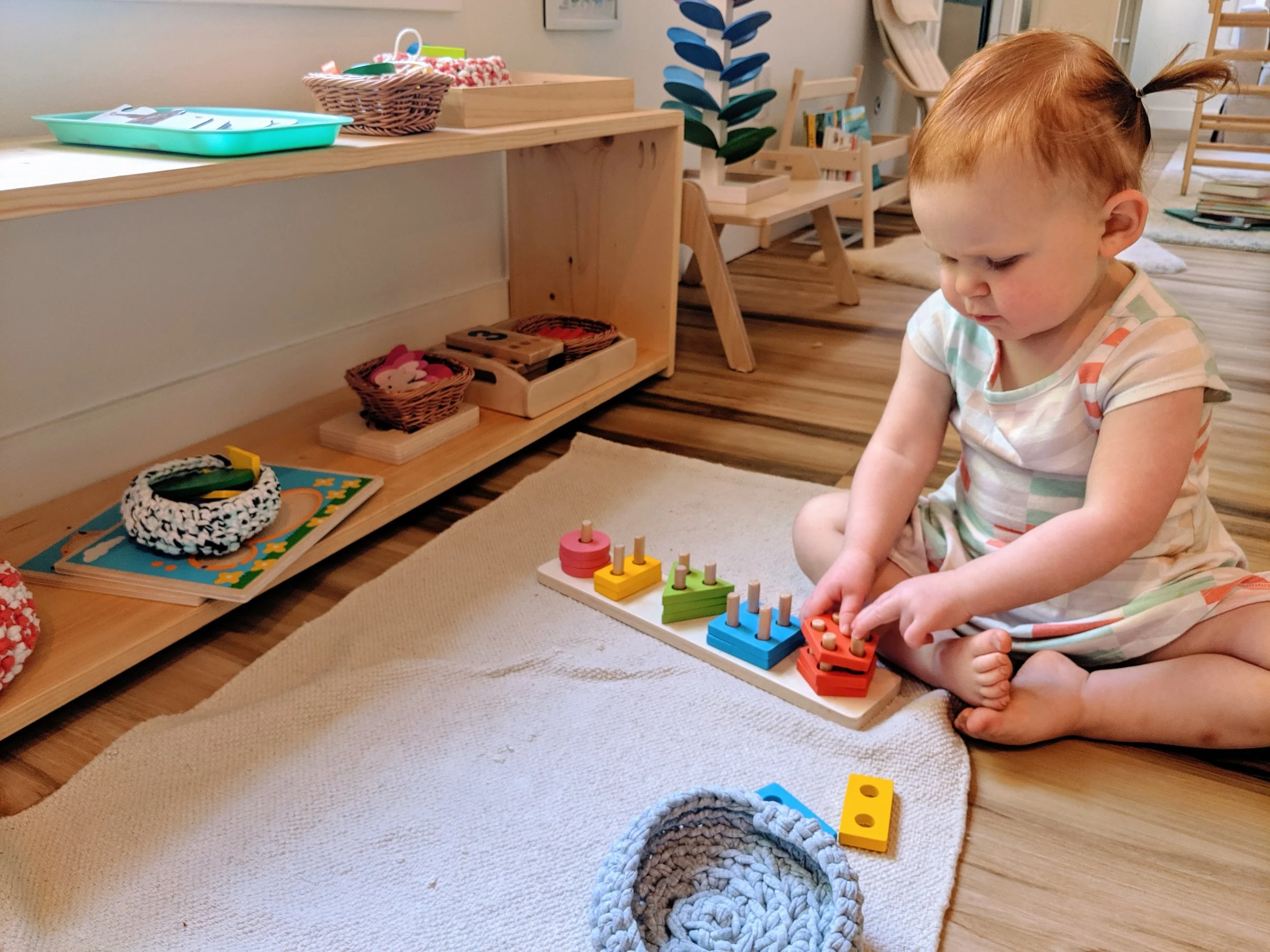
Sort toys by type or size and store them in clear bins. Label bins with pictures or words to guide children. Use low shelves or baskets within their reach. This makes it easy for kids to find and put away toys. Organized toys encourage kids to play more and clean up faster. It builds good habits and independence.
Credit: www.montessoriinreallife.com
Encouraging Play Without Interference
Encouraging play without interference helps children build confidence. It allows them to learn through their own choices. Giving space for independent play supports creativity and problem-solving skills.
Parents and caregivers can guide without taking control. This balance creates a safe environment for children to explore toys freely.
Giving Freedom To Explore
Allow children to choose their toys and how to play. Avoid setting strict rules or instructions. This freedom sparks curiosity and imagination. Kids feel more motivated and engaged when they lead their playtime.
Avoiding Over-directing
Resist the urge to show the “right” way to play. Let children make mistakes and try different ideas. Over-directing can limit creativity and cause frustration. Step back and trust their natural learning process.
Observing Without Interrupting
Watch your child quietly as they play. Notice how they use toys and solve problems. Avoid jumping in too soon or giving advice. Observing helps you understand their interests and needs better.
Incorporating Routine And Playtime
Creating a daily routine helps children know what to expect. It builds security and encourages them to play on their own. Playtime becomes a special part of the day that kids look forward to. This regular rhythm makes independent toy play a natural habit.
Setting Consistent Playtimes
Choose specific times for toy play each day. Morning or afternoon sessions work well. Consistency helps children prepare mentally for play. It reduces fussiness and distractions. Keep play sessions short but regular. This keeps children interested without feeling tired or bored.
Balancing Screen Time And Toy Play
Limit screen time to support active play. Screens often take attention away from toys. Set clear rules for screen use. Encourage children to try toys before screens. Use screens as a reward after independent play. This balance helps children enjoy toys more and develop creativity.
Supporting Independent Play Development
Supporting independent play helps children grow confidence and imagination. It allows kids to explore ideas and solve problems by themselves. Parents and caregivers can guide this skill gently without taking over the play. Little steps build a strong foundation for self-reliance.
Encouraging children to play alone also helps develop focus and patience. Children learn to enjoy their own company and find joy in simple toys. This is a valuable skill for their emotional and social growth.
Praising Efforts And Creativity
Notice and praise your child’s efforts during playtime. Say things like, “You built a tall tower!” or “I love how you used those colors.” This shows you value their work and creativity. It motivates them to keep trying and exploring.
Focus on the process, not just the result. Celebrate small successes and imaginative ideas. This builds their confidence and encourages more independent play sessions.
Introducing New Challenges
Offer toys and activities that match your child’s skills but also stretch them a bit. Puzzle games, building blocks, or sorting toys are great choices. They make your child think and keep them engaged longer.
Change the challenges as your child grows. New puzzles or different materials spark curiosity. This keeps play interesting and helps children develop problem-solving skills.
Modeling Independent Play Behavior
Children learn by watching adults. Show them how you enjoy quiet activities like reading or drawing alone. This teaches them that spending time by themselves is fun and normal.
Stay nearby but avoid interrupting. Your calm presence makes children feel safe to explore independently. This balance encourages them to try new things on their own.

Credit: busytoddler.com
Frequently Asked Questions
What Are The Benefits Of Independent Toy Play?
Independent toy play boosts creativity, problem-solving, and self-confidence. It helps children learn focus and patience. This type of play encourages imagination and improves fine motor skills. Overall, it supports healthy brain development and emotional growth in kids.
How Can Parents Encourage Independent Play At Home?
Parents can create a safe, inviting play area with accessible toys. Offering open-ended toys sparks creativity. Setting regular playtime routines helps kids develop independence. Avoiding screen time and praising efforts also motivate children to play alone.
What Types Of Toys Promote Independent Play?
Open-ended toys like blocks, puzzles, and art supplies are ideal. These toys allow children to explore and create freely. Pretend play items like dolls and kitchen sets also encourage solo engagement. Choose toys that match your child’s interests and developmental stage.
When Should Children Start Independent Toy Play?
Children can start independent play as early as 12 months. Simple toys that encourage exploration work best for toddlers. Gradually increase playtime and complexity as they grow. Early independent play builds important skills for later learning and socialization.
Conclusion
Encouraging independent toy play helps children grow and learn. Kids build creativity and confidence while playing alone. Parents can support this by setting up a safe, fun space. Offer toys that match their interests and skills. Give them time to explore without interruptions.
Watch them enjoy quiet moments and develop new ideas. Small steps lead to big progress in independent play. This habit benefits kids for years to come. Keep trying, stay patient, and enjoy their growth.
