

Have you ever noticed how your child spends hours playing with toys, making choices about what to build or which character to be? Those simple moments are more powerful than you might think.
Toys do more than entertain—they help your child practice making decisions every day. When your little one picks a toy, decides how to use it, or solves a problem during play, they’re sharpening skills that will shape their future. Keep reading to discover how the right toys can boost your child’s ability to make confident choices and why this matters more than you realize.
Credit: jkatoys.com
Role Of Toys In Decision Making
Toys play a key role in helping kids learn to make decisions. Through play, children face choices that teach them to think and decide. These early experiences build confidence in their ability to choose wisely.
Decision making starts small. Kids pick colors, shapes, or actions while playing. These simple choices prepare them for more complex decisions later. Toys guide children to explore options and understand outcomes.
Types Of Toys That Encourage Choices
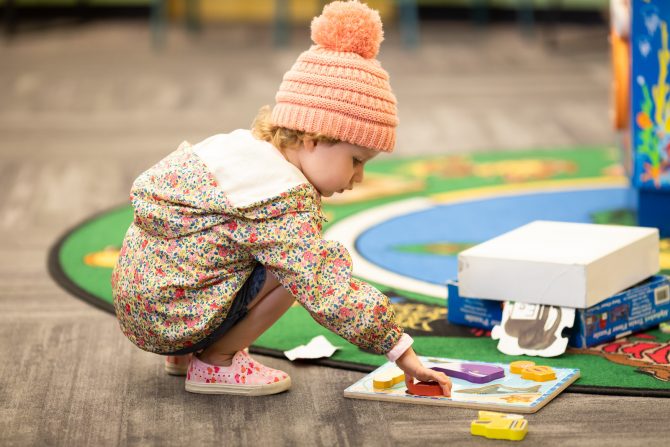
Some toys are designed to promote decision making. Building blocks let kids decide how to stack and create. Puzzle games require choosing the right pieces to fit.
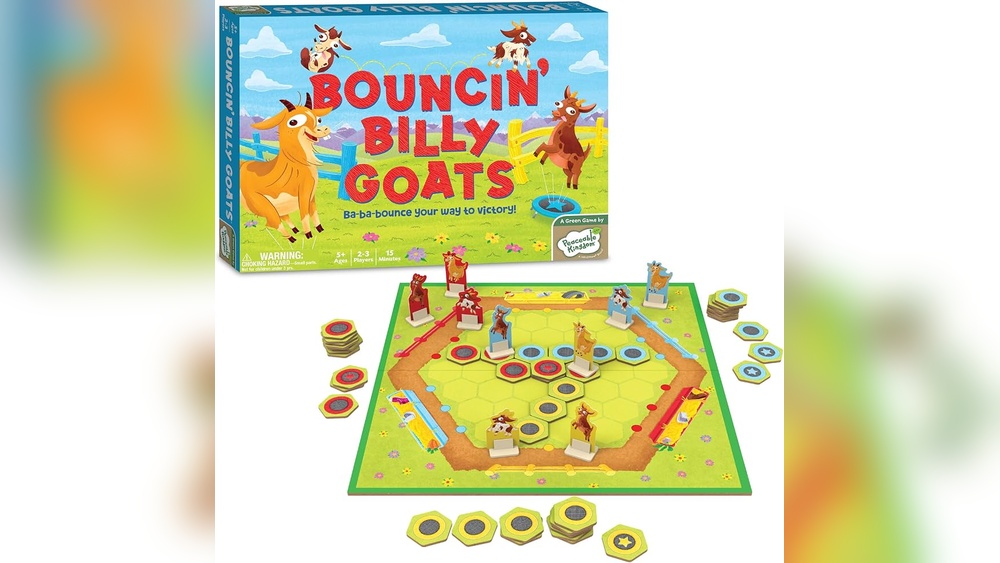
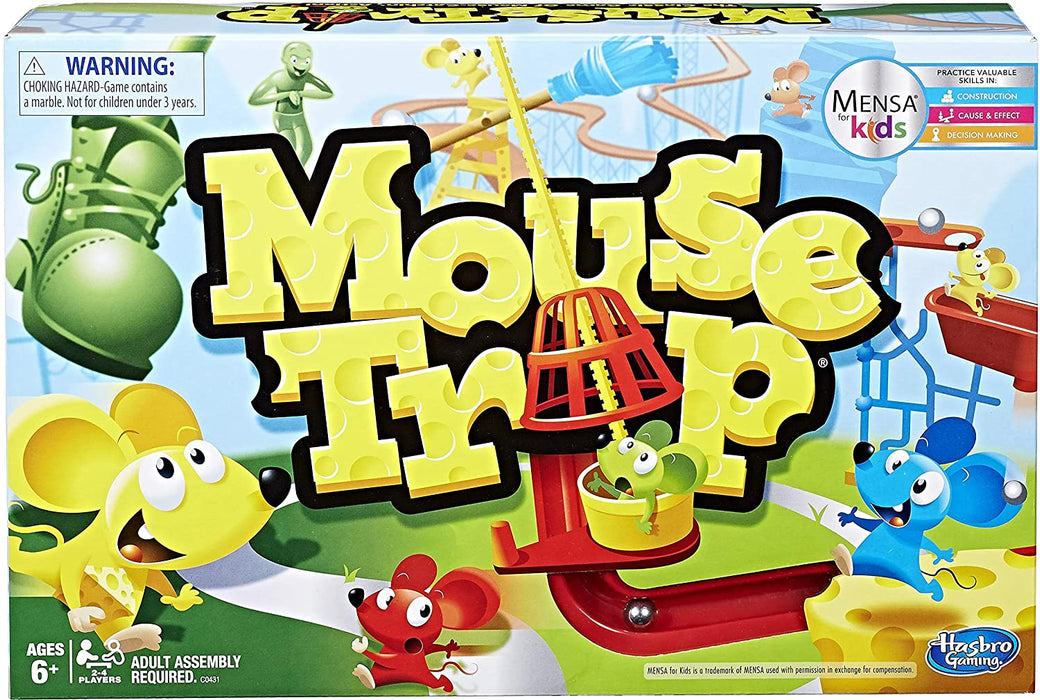
Role-play toys, like dolls or play kitchens, let children choose roles and stories. Board games involve picking moves and strategies. These toys help kids weigh options and consequences.
How Play Influences Brain Development
Play affects brain growth and decision-making skills. Making choices during play strengthens neural connections. This process improves thinking and problem-solving abilities.
Repeated decision making in play builds memory and attention. It also teaches children to handle success and failure. Play creates a safe space for practicing decisions without real risks.
Skills Enhanced Through Play
Toys are more than just fun objects for kids. They help children grow important skills. Playing allows kids to try new ideas and solve problems. It also helps them manage feelings and wait for rewards. These skills build a strong foundation for decision making.
Through play, kids learn how to think clearly and act wisely. They gain experience in making choices and understanding results. Toys create chances to explore, imagine, and practice patience. This hands-on learning shapes smart, confident decision makers.
Critical Thinking And Problem Solving
Playing with toys encourages kids to think deeply. They face challenges and find ways to fix them. For example, puzzles require looking at pieces and fitting them right. This helps kids learn to analyze and plan steps. They discover how to test ideas and change plans if needed.
These activities build strong critical thinking skills. Kids learn to look for clues and make good decisions. Toys that involve building or strategy teach problem solving in a fun way.
Creativity And Imagination
Toys spark creativity in children’s minds. Open-ended toys like blocks or dolls invite kids to invent stories. This kind of play lets children imagine different outcomes and roles. They try new ideas and see what happens.
Creative play helps kids think outside the box. It improves their ability to create solutions in real life. Imagination also supports flexible thinking, which is key for making choices.
Emotional Regulation And Patience
Playing with toys teaches kids to control their feelings. They learn to wait for their turn and handle frustration. For example, board games require patience and following rules. Kids practice staying calm even if things don’t go their way.
This emotional control helps children make thoughtful decisions. They understand how to manage impulses and think before acting. Toys give a safe space to develop patience and self-control.
Selecting Toys For Skill Building
Selecting toys for skill building is important for a child’s growth. The right toys help kids learn how to make choices. They encourage thinking and problem-solving. Toys can guide children to practice decision making in fun ways. Careful selection of toys supports learning and creativity.
Choosing toys that match a child’s needs helps them develop new skills. Some toys teach specific lessons. Others allow free play and imagination. Understanding different toy types helps parents and teachers pick the best options.
Age-appropriate Options
Toys should match the child’s age and ability. Young kids need simple toys with clear goals. Older kids enjoy challenges that require planning and decisions. Toys that are too hard can cause frustration. Too easy toys might bore children. Age-appropriate toys keep kids interested and motivated.
Interactive And Educational Toys
Interactive toys invite kids to explore and respond. They encourage children to think about choices and results. Educational toys teach skills like counting, shapes, or colors. These toys connect learning with play. Kids learn best when they can touch, hear, and see how things work. Interaction helps children understand cause and effect.
Open-ended Versus Structured Play
Open-ended toys have no fixed rules or outcomes. Examples include blocks, clay, or dolls. They allow kids to create their own stories and solutions. Structured toys come with instructions and goals. Examples include puzzles and board games. Both types help decision making but in different ways. Open-ended play boosts creativity. Structured play teaches following rules and planning steps.
Practical Ways To Use Toys For Decision Practice
Toys offer many chances for children to practice making decisions. They create real situations where kids must choose, think, and solve problems. Using toys in practical ways helps develop these skills naturally. Here are some effective methods to use toys for decision practice.
Encouraging Choice Making
Provide toys that come with options. For example, dolls with different clothes or blocks of various shapes and colors. Let children decide what to use and how to play. This helps them weigh options and make choices confidently. Praise their decisions to boost confidence.
Setting Challenges And Goals
Create simple goals related to the toy. Ask children to build a tower with blocks or solve a puzzle. Challenges teach kids to plan and think ahead. Encourage them to try different ways to reach the goal. This practice improves critical thinking and decision-making skills.
Role Of Parents And Educators
Adults should guide without taking control. Offer suggestions but allow children to lead play. Ask questions like, “What will you do next?” or “Why did you choose that?” This encourages reflection on decisions. Support and patience help kids learn from their choices.
Measuring Progress In Decision Skills
Measuring progress in decision skills is important for understanding how children grow. Toys offer a simple way to see these skills develop over time. Watching how kids play shows their ability to choose, solve problems, and learn from mistakes.
Observing Behavior Changes
Parents and teachers can watch kids closely during playtime. Notice how children decide between options or change their choices. Small changes in how they act reveal growth in decision making. For example, a child might take more time to think before choosing a toy. This shows they are learning to weigh options carefully.
Tracking Problem-solving Improvements
Toys often present challenges that need solving. Tracking how a child solves puzzles or builds something is useful. See if they try different ways or give up quickly. Progress happens when children try new ideas and find solutions. This shows better thinking and decision skills.
Using Play To Build Confidence
Playing with toys lets kids practice choices in a safe space. Success in play builds their confidence to make decisions. Confidence helps children trust their judgment in real life. Watching this boost in confidence during play is a clear sign of progress.
Credit: www.moosetoys.com
Credit: www.epl.ca
Frequently Asked Questions
How Do Toys Improve Kids’ Decision-making Skills?
Toys encourage problem-solving and critical thinking. Kids learn to weigh options and consequences. This practice builds confidence in making choices.
Which Toys Best Teach Decision-making To Children?
Strategy games, puzzles, and role-playing toys are ideal. They challenge kids to plan and decide effectively. These toys enhance cognitive and social skills.
At What Age Do Toys Impact Decision-making Most?
Decision-making skills develop early, around ages 3 to 7. Toys suited to this range boost reasoning and choice-making. Early play shapes lifelong decision habits.
Can Interactive Toys Enhance Decision-making Abilities?
Yes, interactive toys provide real-time feedback. This helps kids understand cause and effect. They promote active learning and better decisions.
Conclusion
Toys offer children a safe space to make choices. They help kids think about options and consequences. Playing with toys builds confidence in decision-making. Kids learn to solve problems while having fun. These skills grow stronger with each play session.
Choosing toys also sparks creativity and critical thinking. Parents can support by providing diverse toys. Letting kids decide encourages independence and growth. Simple playtime moments shape future decision makers. Toys truly help children practice making smart choices.
