

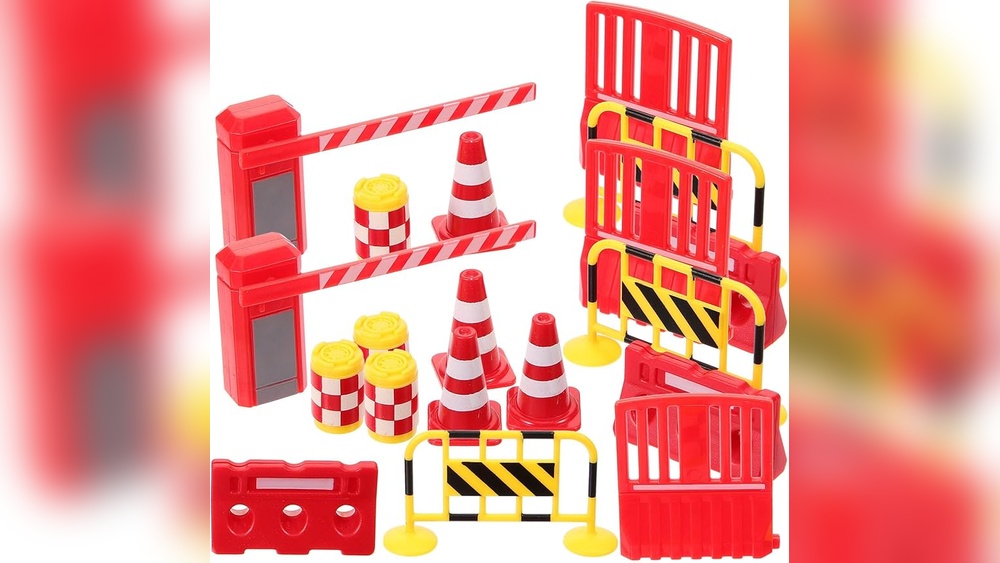
Have you ever noticed how your child learns best when they’re playing with toys? Toys are more than just fun—they are powerful tools that help your child understand rules.
When kids play, they explore boundaries, follow instructions, and practice social skills without even realizing it. If you want to see your child grow smarter and more confident in handling everyday rules, understanding how toys contribute to this process is key.
Keep reading to discover the surprising ways toys shape your child’s ability to learn and follow rules.
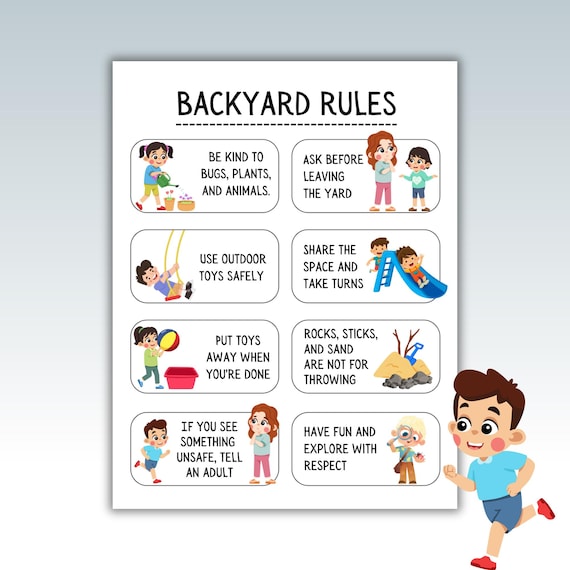
Credit: www.etsy.com
Role Of Toys In Learning Rules
Toys play a key part in helping children learn rules. Through play, kids explore boundaries and limits. They understand what is allowed and what is not. This helps them build a sense of order and fairness.
Playing with toys also teaches children how to follow instructions. This prepares them for school and social settings. Toys create a safe space for kids to practice rules and social norms.
Toys As Tools For Social Skills
Toys encourage children to interact with others. They learn how to share ideas and solve problems together. Playing with friends around toys builds communication skills. It also teaches respect for others’ feelings and opinions.
Encouraging Turn-taking And Sharing
Toys help children practice waiting for their turn. They learn patience and fairness by sharing toys. This teaches important lessons about cooperation. Kids understand that sharing brings fun for everyone.
Building Patience Through Play
Some toys require children to wait or try again. This helps them develop patience and self-control. Toys that involve steps or rules teach kids to stay calm. They learn that good things come with practice and time.
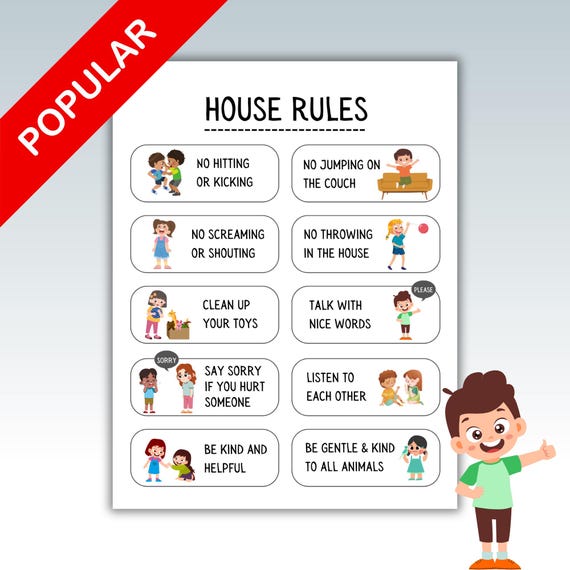
Credit: www.etsy.com
Types Of Toys That Teach Rules
Toys play a big role in helping children learn about rules. Different types of toys teach kids how to follow rules in fun ways. These toys help kids understand fairness, turn-taking, and strategy. Here are some common toys that teach important rules.
Board Games And Strategy
Board games are great for teaching rules. Each game has clear instructions that players must follow. Kids learn to wait for their turn and respect other players. Strategy games also teach planning and thinking ahead. Playing board games builds patience and rule-following skills.
Role-playing Sets
Role-playing sets let kids act out different roles. They follow made-up rules in pretend scenarios. This helps children understand social rules and cooperation. They learn to share, negotiate, and solve problems. Role-playing encourages kids to think about others’ feelings and rules.
Building Blocks And Construction Toys
Building blocks require following simple rules to create structures. Kids learn about balance and design limits. These toys teach problem-solving within set rules. Children practice focus and patience while building. Construction toys encourage creativity inside rule boundaries.
Cognitive Benefits Of Rule-based Play
Playing with toys that have rules helps children learn how to think clearly. These toys guide kids to focus, remember steps, and solve problems. Rule-based play also encourages children to think in order and make smart choices. This kind of play builds important skills that help in school and everyday life.
Enhancing Memory And Attention
Toys with rules require kids to remember steps and details. They must pay close attention to follow the rules correctly. This practice improves their memory and focus over time. Better memory helps children learn faster and stay organized.
Developing Problem-solving Skills
Rule-based toys often present challenges or puzzles. Kids learn to find solutions by trying different ideas. This process teaches them to think critically and adapt to new situations. Problem-solving skills grow stronger with each play session.
Boosting Logical Thinking
Following rules helps children understand cause and effect. They see how one action leads to another result. This helps them think logically and plan ahead. Logical thinking is important for math and science skills.
Emotional Growth Through Following Rules
Following rules in play helps children grow emotionally. Toys create a safe space for kids to learn how rules work. This learning builds key emotional skills. Kids practice handling different feelings by playing with rules.
Rules teach patience and fairness. Children understand the importance of taking turns and sharing. These lessons help them manage their emotions in real life.
Handling Wins And Losses
Toys help kids face winning and losing. Children learn to be happy when they win. They also learn to accept losing without anger. This balance builds emotional strength and maturity. Kids see that losing is part of playing and learning.
Managing Frustration
Following rules can be hard at times. Toys help children practice staying calm when upset. They learn to control their feelings and try again. This skill helps reduce tantrums and stress. Kids gain tools to face challenges calmly.
Building Confidence
Playing by rules boosts children’s confidence. They feel proud when they follow the rules well. This pride encourages them to try new things. Toys offer chances to succeed in a fair way. Confidence grows with each small victory in play.
Parental Role In Guiding Rule Learning
Parents play a big role in helping kids learn rules through toys. Their guidance shapes how children understand fairness, limits, and cooperation. Toys offer chances for kids to practice rules in a fun way. Parents help make these moments clear and meaningful.
Setting Clear Expectations
Parents should explain the rules before play starts. Clear rules help children know what to do. Simple words and examples work best. This makes it easier for kids to follow and enjoy the game. When rules are clear, children feel more confident and safe.
Modeling Fair Play
Parents show how to play fairly by their actions. Taking turns and being polite teach respect. Kids watch and copy their parents’ behavior. This helps them learn kindness and patience. Fair play also means accepting wins and losses calmly.
Encouraging Reflection After Play
Talking about the game after playing helps kids think. Parents can ask questions like, “What did you like?” or “How did you feel?” This helps children understand rules better. It also helps them see how to improve for next time. Reflection builds thinking and social skills.
Incorporating Toys Into Educational Settings
Toys are powerful tools in education. They help children learn rules in a fun and interactive way. Incorporating toys into classrooms makes lessons more engaging and understandable. Kids can see how rules apply in real situations through play. This method supports better learning and social skills development.
Teachers can use toys to guide children in following instructions and cooperating with others. This helps children grasp the importance of rules clearly and naturally.
Using Toys In Classroom Activities
Toys can be part of many classroom activities. Teachers use building blocks to teach shapes, sizes, and patterns. Role-playing toys help kids practice social rules and conversations. These activities make learning rules less abstract and more practical. Kids enjoy lessons more when toys are involved.
Collaborative Play For Group Learning
Toys encourage teamwork and sharing. Group play with toys helps children learn to wait their turn and listen to others. This supports understanding group rules and respect. Collaborative play also boosts communication skills. It teaches children how to solve problems together using agreed rules.
Adapting Toys For Different Age Groups
Toys must fit the age of the children. Younger kids need simple toys that teach basic rules. Older children benefit from complex toys that require strategy and cooperation. Teachers can change toy use based on children’s abilities. This keeps learning challenging but not too hard.

Credit: www.amazon.com
Frequently Asked Questions
How Do Toys Teach Kids About Rules?
Toys often have built-in guidelines that children follow while playing. These rules help kids understand structure, fairness, and consequences. Playing with toys encourages children to respect limits and cooperate with others, which builds their social and cognitive skills.
Why Are Rule-based Toys Important For Child Development?
Rule-based toys promote critical thinking and problem-solving skills. They help children learn patience, turn-taking, and self-control. Following rules during play prepares kids for real-life situations where they must adhere to guidelines and respect others.
Can Toys Improve Kids’ Understanding Of Fairness?
Yes, toys that require sharing or turn-taking teach fairness. Children learn to wait their turn and respect others’ rights. This fosters empathy and cooperation, essential for healthy social interactions and building positive relationships.
What Types Of Toys Best Teach Rule-following?
Board games, puzzles, and role-play sets are excellent for teaching rules. These toys have clear instructions and encourage children to follow them for successful play. They also help develop concentration, memory, and decision-making skills.
Conclusion
Toys play a key role in teaching kids about rules. They help children learn how to take turns and share. Playing with toys shows kids what is fair and what is not. These lessons prepare them for real-life situations. Kids also practice patience and problem-solving while playing.
Toys make learning rules fun and natural. Parents and teachers can use toys to guide children’s behavior. Understanding rules early helps kids grow confident and respectful. Simple play leads to big learning. Toys build important skills every child needs.
