


Have you ever wondered why your child spends hours lost in their own little world, pretending to be a pirate, a superhero, or a princess? Imaginative play worlds are not just fun—they hold a special place in your child’s heart and mind.
When your kid dives into these make-believe adventures, something amazing happens inside their brain. You’ll want to know exactly why these fantasy worlds captivate them so deeply and how this type of play can boost their growth in surprising ways.
Keep reading, and you’ll discover the hidden magic behind your child’s favorite games—and why encouraging imaginative play might be one of the best things you do for them.
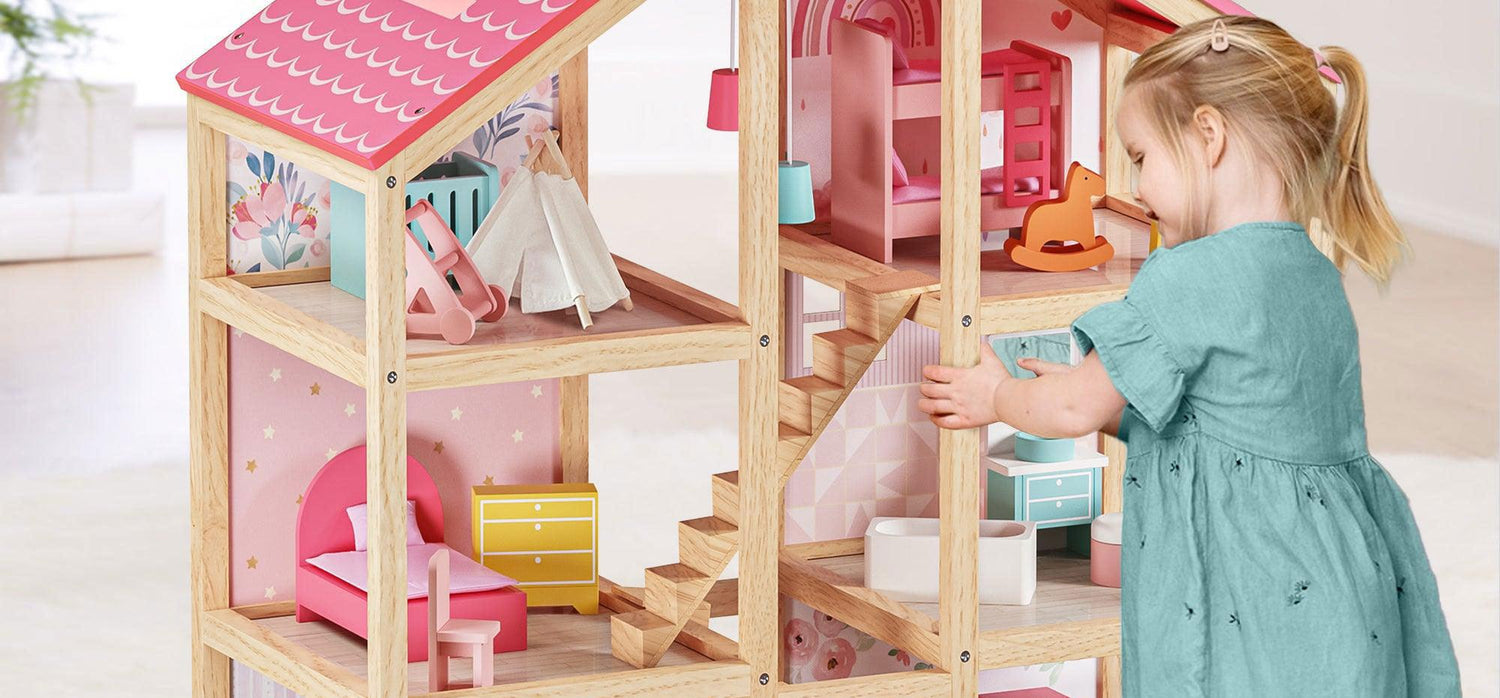
Credit: www.tinylandus.com
The Appeal Of Imaginary Worlds
Imaginary worlds captivate children’s minds and hearts. These worlds offer more than just fun. They provide a special place where kids can express themselves freely. In these spaces, children find comfort and excitement together.
Imaginative play helps kids build creativity and confidence. It also supports emotional growth. This section explores why these play worlds hold such strong appeal.
Escape From Reality
Imaginary worlds let kids step away from real life. They can leave behind worries or rules for a while. In these spaces, children feel safe to be themselves. This escape helps reduce stress and sparks joy.
Freedom To Explore
Kids use imaginary worlds to try new ideas and roles. They can be anything—a hero, a wizard, or an explorer. There are no limits or boundaries. This freedom helps children learn about the world and themselves.
Creating Personal Narratives
Children enjoy making stories in their play worlds. They create characters, challenges, and adventures. These personal stories help kids understand their feelings and experiences. Storytelling also builds language and thinking skills.
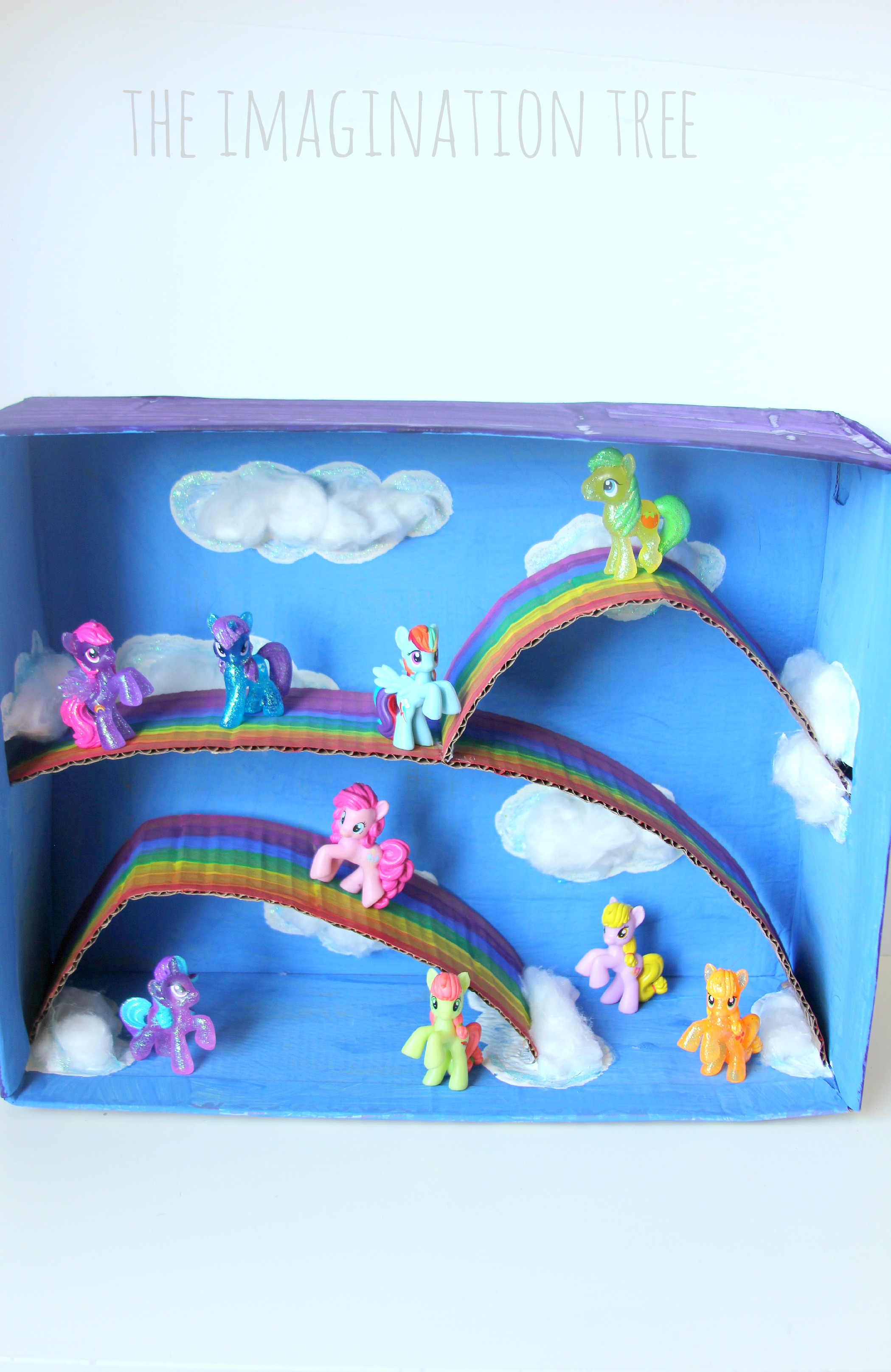
Credit: theimaginationtree.com
Creativity In Action
Imaginative play worlds let kids show their creativity in many ways. These worlds are safe spaces where children try new ideas and explore feelings. Creativity in action helps them grow mentally and emotionally.
Through play, kids build their own stories and characters. They use imagination to create special roles and settings that feel real to them.
Building Unique Characters
Kids invent characters with different looks and traits. They give their characters names, jobs, and personalities. This lets them practice storytelling and understand others better.
Each character reflects something from the child’s mind or world. The process boosts problem-solving and decision-making skills.
Inventing New Rules
In play worlds, kids make up rules to guide their stories. These rules can be about what characters can do or how the world works. Changing rules helps children learn flexibility and control.
Creating new rules also teaches kids about fairness and cooperation. They test ideas to see what works best in their imagined world.
Expressing Emotions
Imaginative play lets children show feelings they might not say out loud. They act out joy, fear, sadness, or anger through their characters. This helps them understand and manage emotions.
Playing with emotions also builds empathy. Kids learn how others might feel in different situations.
Joy Through Play
Imaginative play worlds bring pure joy to children. They dive into stories and create new adventures. Through play, kids explore feelings and ideas freely. Joy grows as they shape their own little worlds.
Sense Of Accomplishment
Kids feel proud when they build or solve something in play. Completing a task or making a story succeed brings real satisfaction. This feeling encourages them to try new things. It boosts confidence and keeps their minds active.
Social Connections
Playing with friends teaches sharing and teamwork. Kids learn to listen and take turns during play. These moments build strong friendships and trust. Social skills grow naturally in fun, imaginative settings.
Laughter And Fun
Laughter fills the air in creative play worlds. Funny moments and surprises make play exciting. Having fun reduces stress and brings happiness. Joy through laughter helps kids enjoy every moment deeply.
Developmental Benefits
Imaginative play worlds offer many developmental benefits for children. These play spaces help kids grow in important ways. They support skills that last a lifetime. Through pretend play, children build abilities that help them in school and life.
Playing in these worlds allows kids to practice thinking, talking, and feeling. Each moment in play helps their brain and emotions develop. The benefits come naturally as children explore and create.
Problem Solving Skills
Imaginative play challenges children to solve problems on their own. They face new situations that need creative ideas. Kids learn to think quickly and find answers. This builds strong problem-solving skills that help in many areas.
They try different solutions and see what works best. This trial-and-error method improves their ability to reason and decide. Problem solving becomes fun and natural during play.
Language Growth
Talking in pretend worlds boosts children’s language skills. They use new words and phrases to describe their ideas. This practice helps expand their vocabulary and communication. Kids learn how to express thoughts clearly and confidently.
Role-playing different characters also improves listening and speaking skills. Children hear varied sentence structures and try them out. Language growth happens smoothly through imaginative conversations.
Emotional Intelligence
Imaginative play teaches children about feelings and emotions. They explore different roles and perspectives in a safe space. This helps them understand their own feelings better. Kids also learn to recognize emotions in others.
Playing out scenarios helps children practice empathy and control emotions. They develop skills to handle real-life social situations. Emotional intelligence grows as they navigate pretend challenges.
Encouraging Imaginative Play
Encouraging imaginative play helps children grow emotionally and mentally. It lets them explore new ideas and express feelings. Adults can support this by giving kids the right tools and environment. This support makes play more fun and meaningful.
Providing Open-ended Toys
Open-ended toys have no fixed use. Blocks, dolls, and art supplies fit this idea well. Kids decide how to play with them. These toys spark creativity and problem-solving skills. They let children build their own stories and worlds.
Creating Safe Spaces
Safe spaces give kids freedom to explore. A quiet corner or a special room works well. Soft mats and cushions add comfort. Parents should keep these areas free from danger. Feeling safe helps children try new ideas without fear.
Joining Their Adventures
Adults can join in children’s play time. This shows support and interest. Asking questions or acting out roles adds fun. Parents learn what their kids like and think about. Play becomes a shared experience full of joy.

Credit: www.walmart.com
Frequently Asked Questions
Why Do Kids Love Imaginative Play Worlds?
Kids enjoy imaginative play worlds because these worlds spark creativity and curiosity. They allow children to explore different roles and scenarios, which helps develop problem-solving and social skills in a fun, safe environment.
How Does Imaginative Play Benefit Child Development?
Imaginative play boosts cognitive, emotional, and social growth. It encourages language skills, creativity, and empathy by allowing kids to express themselves and understand others’ perspectives.
What Makes Imaginative Play Important For Social Skills?
Imaginative play encourages teamwork, communication, and conflict resolution. Kids learn to share ideas, negotiate roles, and cooperate, building essential social abilities for real-life interactions.
Can Imaginative Play Improve Problem-solving Abilities?
Yes, imaginative play challenges children to think critically and find solutions. It promotes flexible thinking and decision-making by presenting new scenarios that require creative responses.
Conclusion
Kids love imaginative play worlds for many clear reasons. These worlds let them explore new ideas and feelings. They create stories and solve problems, which helps their brain grow. Playing pretend also builds confidence and helps them make friends. It’s fun and frees their creativity without limits.
Imaginative play makes learning feel like an adventure. That’s why children keep coming back to these magical worlds again and again.
