

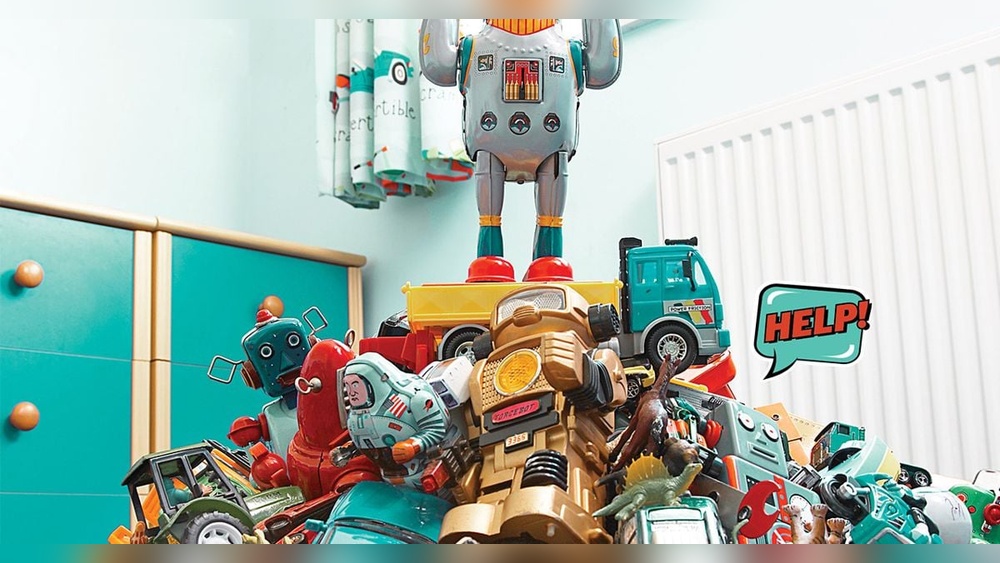
Have you ever noticed your child quickly losing interest in a brand-new toy? It might seem strange, but sometimes having too many toys can actually make kids feel bored.
You might think more toys mean more fun, but the opposite can happen. When your child is surrounded by too many options, it’s hard for them to focus and enjoy any one thing. This can lead to frustration, restlessness, and even boredom.
If you want to understand why this happens and how to help your child find real joy in play, keep reading. You’ll discover simple ways to create a more exciting and meaningful playtime for your little one.

Credit: www.todaysparent.com
Effects Of Toy Overload
Toys are meant to bring joy and learning to children. Yet, too many toys can cause problems. When kids have too many choices, they may not enjoy their playtime fully. This situation is called toy overload. It affects how children think, focus, and decide. Understanding these effects helps parents provide a better play environment.
Reduced Creativity
Having many toys can limit a child’s creativity. Kids might rely on the toys’ instructions instead of using their imagination. They may play the same way over and over. This reduces chances to invent new games or stories. Fewer toys often encourage children to think and create more.
Shortened Attention Span
Too many toys can make it hard for kids to focus. They jump quickly from one toy to another. This constant switching stops deep play and learning. A shorter attention span affects school and social skills. Fewer toys help children concentrate better and enjoy play longer.
Decision Fatigue
Kids face many choices with too many toys. Picking what to play with can feel overwhelming. This leads to decision fatigue, where making choices becomes tiring. Tired kids may give up and lose interest in playing. Limiting toys helps reduce this stress and keeps playtime fun.
Psychology Behind Toy Saturation
Children surrounded by too many toys often show signs of boredom. This happens because their minds get overwhelmed. The psychology behind toy saturation explains how too many options can confuse kids. Instead of enjoying playtime, they lose interest quickly. Their brains crave new and exciting experiences, but too many toys make each less special.
Understanding this helps parents and caregivers choose toys wisely. Quality over quantity matters. It supports better focus and deeper play. Here is a closer look at how toy saturation affects children’s psychology.
Instant Gratification Cycle
Toys offer quick fun and instant rewards. Kids can switch from one toy to another fast. This creates a cycle of instant gratification. The brain learns to expect fast pleasure without effort. This habit reduces patience and attention span. Kids may find slow, thoughtful play boring. They want new toys to feel excited again. This cycle can make simple toys less interesting.
Impact On Emotional Development
Too many toys can impact children’s emotions. They may feel overwhelmed or anxious with many choices. Deciding what to play with can be stressful. Emotional connection to toys weakens when toys are abundant. Children might not learn to care or share well. This affects empathy and social skills. Fewer toys encourage children to use imagination and solve problems. This supports emotional growth and confidence.
Balancing Quantity And Quality
Balancing the number of toys with their quality is key to keeping kids interested. Too many toys can overwhelm children and lead to boredom. A smaller group of well-chosen toys can boost creativity and focus. Quality toys offer meaningful play experiences that last longer.
Choosing Engaging Toys
Select toys that inspire imagination and problem-solving. Look for items that match your child’s age and interests. Toys made from safe, durable materials often hold attention better. Focus on toys that encourage learning and interaction. Simple toys can be just as engaging as complex ones.
Rotating Toy Selection
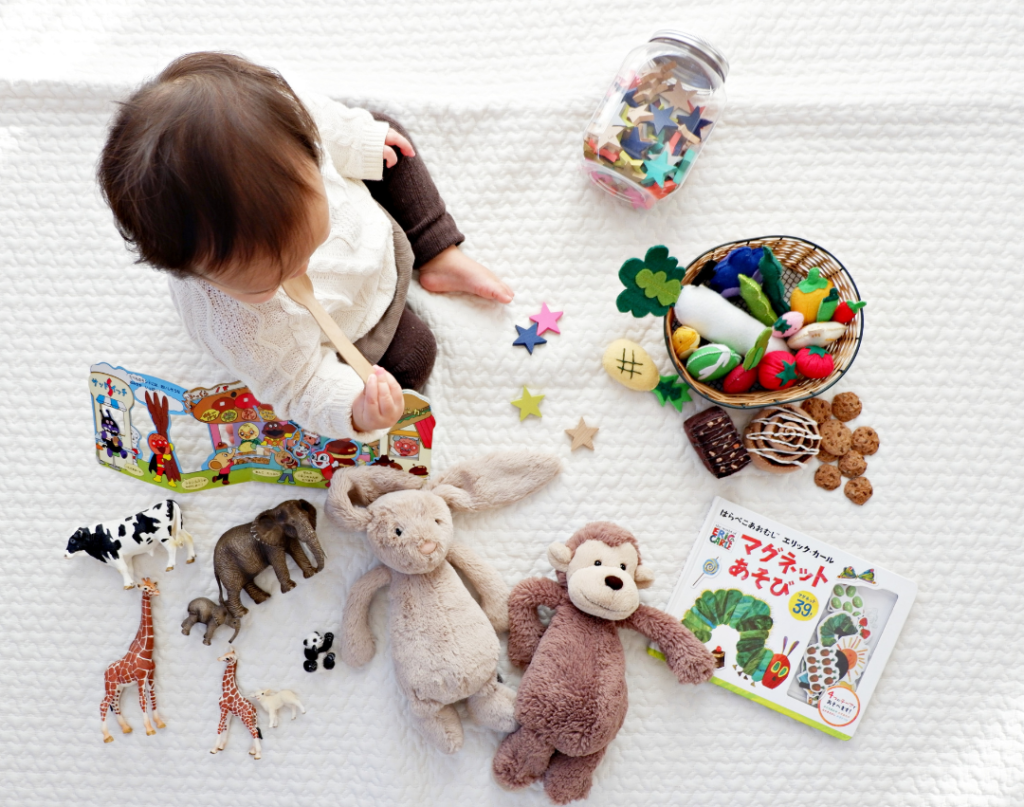
Keep playtime fresh by rotating toys regularly. Store some toys away and swap them out after a few weeks. This method makes old toys feel new again. It also reduces clutter and helps children appreciate each toy more. Rotating toys can extend their play value and keep kids curious.
Credit: www.communicationclubhouse.com
Role Of Parental Involvement
Parents play a key role in how children interact with their toys. Too many toys can overwhelm kids and reduce their interest. Parents help guide playtime to keep it fun and meaningful. Their involvement can turn simple toys into sources of learning and joy.
Active participation from parents encourages children to use their imagination. It also helps set clear limits on how and when to play. This balance is important to prevent boredom and promote healthy habits.
Encouraging Imaginative Play
Parents can inspire children to create stories and scenarios with their toys. Asking questions like “What is your toy doing?” sparks creativity. Joining in play also shows kids how to use toys in new ways. This keeps playtime fresh and exciting.
Imaginative play builds problem-solving and social skills. It helps children explore feelings and ideas. Parents who encourage this type of play help their kids enjoy toys longer.
Setting Boundaries For Playtime
Clear rules about playtime help children focus and value their toys. Limiting the number of toys out at once can reduce distractions. Having set times for play teaches kids to manage their time.
Parents who set boundaries also encourage tidiness and responsibility. This makes playtime more organized and less chaotic. Boundaries help children appreciate their toys and avoid boredom.
Alternative Activities To Combat Boredom
Boredom can happen even with many toys around. Kids might feel overwhelmed or lose interest quickly. Alternative activities can help keep their minds active and happy. These activities encourage imagination and movement. They offer new ways to explore the world beyond toys.
Outdoor Exploration
Fresh air and nature spark curiosity. Kids can discover bugs, plants, and animals. Walking in parks or gardens offers new sights and sounds. Outdoor play improves mood and health. Simple activities like collecting leaves or watching clouds engage the senses. Exploring outside helps children learn about their environment. It creates a fun break from screens and toys.
Creative Arts And Crafts
Arts and crafts boost imagination and focus. Drawing, painting, or making simple crafts lets kids express feelings. Using colors and shapes improves motor skills. Crafting with paper, glue, or clay builds patience and pride. Kids create unique projects with their own ideas. This hands-on activity refreshes their mind and reduces boredom. It also encourages problem-solving and creativity.

Credit: www.thekavanaughreport.com
Signs Your Child Has Too Many Toys
Too many toys can overwhelm a child. It can lead to less interest in playing and more mess. Recognizing the signs helps parents decide when to reduce toys. Here are two clear signs your child might have too many toys.
Disinterest In Play
Children with too many toys often lose interest in playing. They may ignore many toys and only play with a few. This happens because the brain feels overloaded. Too many choices make it hard to focus. Kids might say, “I’m bored,” even with toys around.
Mess And Clutter
Too many toys create clutter in your home. Toys spread out everywhere, making a big mess. This mess can stress both kids and parents. It becomes hard to find favorite toys. A cluttered space can stop children from wanting to play.
Frequently Asked Questions
Why Do Kids Get Bored With Too Many Toys?
Kids can feel overwhelmed by too many toys. This reduces their focus and creativity. They may lose interest quickly and seek new stimulation instead of engaging deeply.
How Many Toys Are Ideal For Kids?
A small, rotating selection of 10-15 toys is ideal. It encourages focus, creativity, and sustained play. Regularly swapping toys keeps things fresh and exciting.
Can Too Many Toys Affect Child Development?
Yes, excess toys can hinder attention span and imaginative play. It may lead to distraction and decreased problem-solving skills. Balanced toy exposure supports better cognitive growth.
How Can Parents Prevent Toy Boredom?
Parents should limit toy quantity and rotate them often. Encouraging open-ended play and creativity helps maintain interest. Quality time and interaction also reduce boredom.
Conclusion
Kids often feel bored when surrounded by too many toys. Too many choices can confuse them. They may not focus on one toy for long. Simple, fewer toys can spark more creativity. Quality time and interaction help keep kids engaged.
Parents should observe what truly interests their child. Sometimes, less really is more for fun and learning. Finding balance makes playtime joyful and meaningful.
