

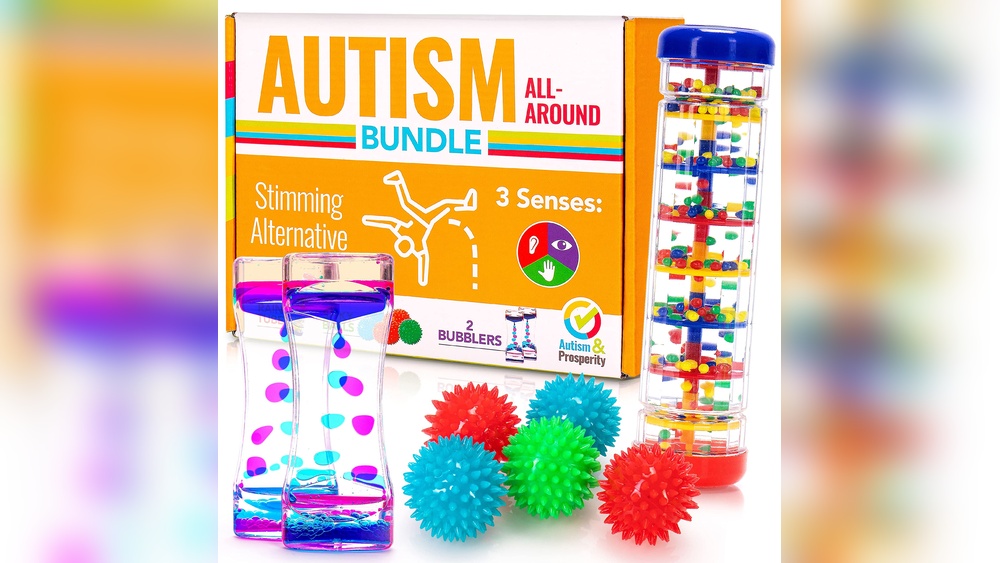
Choosing the right toys for your autistic child can feel overwhelming. You want something that sparks their interest, helps them learn, and makes playtime fun.
But how do you find toys that truly support their unique needs? This guide will help you discover the best toys that boost your child’s development and bring joy to their day. Keep reading to find simple, effective options that your child will love.
Credit: kdfoundation.org
Sensory Toys
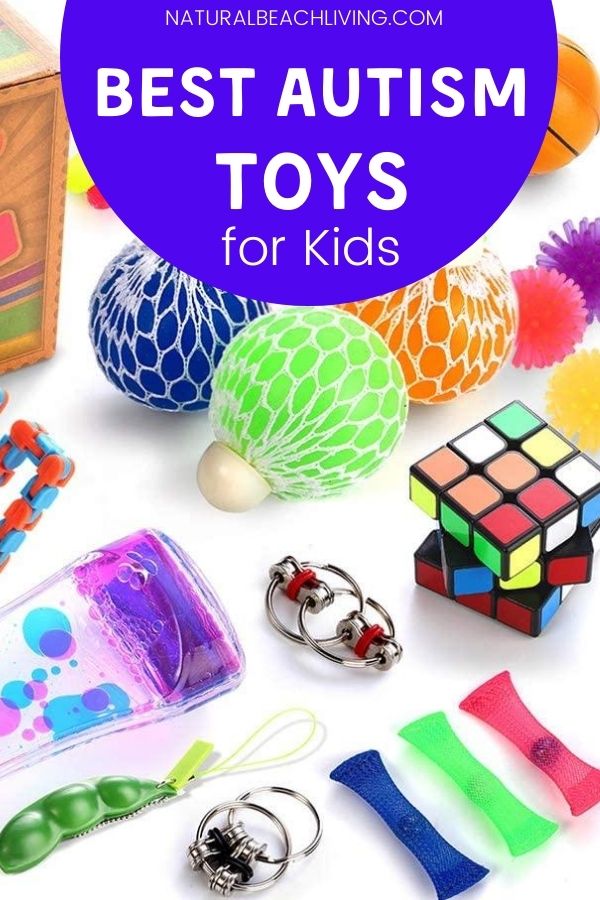
Sensory toys help children with autism explore their senses. These toys provide touch, sight, sound, and movement stimulation. They support learning and calm the mind. Sensory play encourages focus and helps with emotional regulation. Choosing the right sensory toys can improve daily life for autistic kids.
Benefits Of Sensory Play
Sensory play improves motor skills and hand-eye coordination. It helps children understand different textures and sounds. This play reduces anxiety and sensory overload. Sensory activities boost concentration and social skills. They also encourage creativity and problem-solving.
Popular Sensory Toys For Autistic Kids
Fidget spinners and stress balls are simple and effective. Weighted blankets and lap pads provide calming pressure. Chewable jewelry helps with oral sensory needs. Light-up toys and bubble tubes offer visual stimulation. Sensory bins filled with rice or sand encourage hands-on play.
Diy Sensory Toy Ideas
Create a sensory bottle with water, glitter, and beads. Use a sock filled with rice as a tactile squeeze toy. Make a homemade playdough with flour, salt, and water. Fill a box with textured fabrics for touch exploration. Craft a sound shaker using a sealed container with beans or coins.
Credit: www.healthline.com
Educational Toys
Educational toys play a key role in supporting autistic children’s growth. These toys encourage learning in a fun and engaging way. They help build important skills like thinking, problem-solving, and communication. Choosing the right educational toy can make a big difference.
Enhancing Cognitive Skills
Educational toys help improve memory and attention. They encourage kids to think and solve problems. Puzzles and building blocks develop logic and reasoning. These toys also boost focus and concentration. Playing with such toys can strengthen brain function gradually.
Best Learning Toys For Autism
Toys that use shapes, colors, and patterns work well. Sorting toys and matching games are excellent choices. They help children recognize differences and group similar items. Sensory toys also support learning by engaging touch and sight. Simple, clear instructions make these toys easier to use.
Interactive Learning Tools
Interactive tools keep children engaged through movement and sound. Tablets with educational apps offer visual and audio feedback. These tools help improve language and social skills. Many have adjustable difficulty levels to suit each child. Interaction encourages active learning and exploration.
Motor Skill Toys
Motor skill toys help children with autism develop physical abilities. These toys support their growth in small and large muscle movements. Choosing the right toys can make practice fun and effective.
Motor skills include fine movements like using fingers and larger actions like running or jumping. Toys designed for these skills encourage practice and build confidence.
Improving Fine Motor Skills
Fine motor skills involve small hand and finger movements. Toys like puzzles, bead threading sets, and shape sorters help. These toys teach control and precision in a playful way. They also improve finger strength and coordination.
Toys For Hand-eye Coordination
Hand-eye coordination means using eyes and hands together smoothly. Toys such as stacking blocks, catching balls, and pegboards work well. These toys train the brain and body to work as a team. Regular play can enhance reaction time and focus.
Gross Motor Development Toys
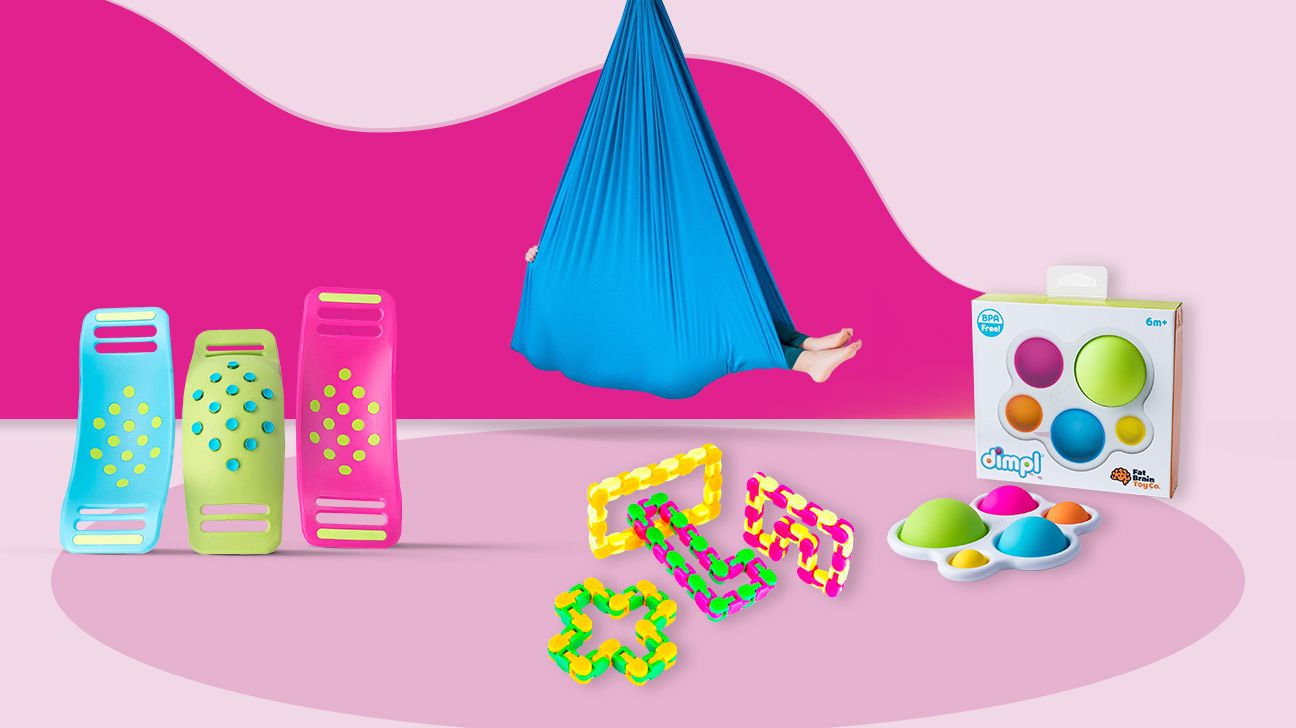
Gross motor skills use large muscles for actions like walking or jumping. Ride-on toys, balance boards, and soft climbing structures are great choices. They help children build strength and balance. Playing with these toys boosts movement confidence and body awareness.
Social Skill Toys
Social skill toys help children with autism connect and interact with others. These toys focus on teaching sharing, turn-taking, and understanding feelings. They build confidence and make social moments easier and more fun. Choosing the right toys can support growth in communication and cooperation.
Encouraging Communication
Toys that encourage communication help kids express thoughts and feelings. Picture cards and emotion flashcards show different facial expressions. These tools guide children to recognize and name emotions. Simple talking toys also prompt kids to practice words and sentences. They create opportunities for meaningful conversations.
Role-playing And Pretend Play Toys
Role-playing toys inspire imagination and social learning. Dollhouses, action figures, and play kitchens allow children to act out daily life. This practice improves understanding of social roles and routines. Pretend play fosters empathy by exploring different points of view. It also encourages sharing ideas and taking turns.
Group Play Essentials
Group play toys promote teamwork and cooperation. Board games with simple rules teach waiting and following directions. Building sets encourage children to work together on projects. These toys create chances for children to connect and develop friendships. They also reduce social anxiety by making group play structured and predictable.
Calming Toys
Calming toys help autistic children feel safe and relaxed. These toys reduce feelings of stress and anxiety. They provide comfort during tough moments. Choosing the right calming toy can improve focus and mood. These toys offer gentle sensory input that soothes the mind and body.
Reducing Anxiety And Stress
Calming toys help lower anxiety in autistic kids. Soft textures and gentle movements can calm the nervous system. Toys like squishy balls or soft stuffed animals bring comfort. They give a safe way to manage overwhelming feelings. Having a calming toy nearby helps children feel secure.
Weighted And Compression Toys
Weighted toys give deep pressure that feels reassuring. Compression vests or blankets provide steady, gentle pressure. This pressure helps the body relax and focus. Weighted lap pads and plush toys work well too. These toys help reduce restlessness and improve calmness.
Fidget And Relaxation Tools
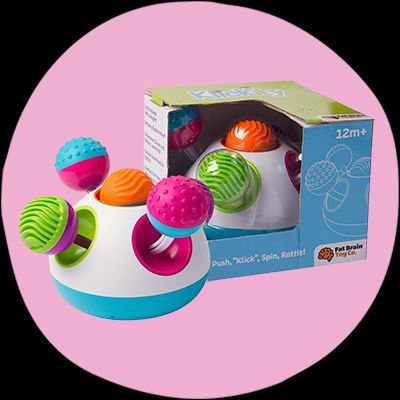
Fidget toys keep hands busy with small movements. This activity helps reduce anxiety and improves concentration. Popular fidget tools include spinners, cubes, and stretchy bands. Relaxation tools like stress balls and textured rings also soothe. These toys are easy to carry and use anytime.
Credit: www.healthline.com
Choosing The Right Toy
Choosing the right toy for autistic kids helps support their growth and happiness. Toys can improve skills like communication, focus, and motor abilities. The right toy matches the child’s interests and needs. It offers fun without causing stress or frustration. Careful selection makes playtime positive and rewarding.
Age And Developmental Considerations
Toys should fit the child’s age and stage. Younger kids need simple toys with bright colors and easy shapes. Older children enjoy toys that challenge their thinking and creativity. Consider what skills the child is developing, like hand-eye coordination or language. Choose toys that match these skills to encourage progress.
Safety Tips For Autistic Kids
Safety is very important when picking toys. Avoid toys with small parts that can be swallowed. Check for sharp edges or pieces that break easily. Use toys made from non-toxic materials. Some children may chew or put toys in their mouth. Durable and safe toys reduce risks and keep playtime worry-free.
Adapting Toys For Individual Needs
Every autistic child is different. Some toys may need changes to work well. Add textures or sounds to make toys more interesting. Use Velcro or straps to help hold toys. Sometimes, simplifying a toy makes it easier to use. Adjust toys to fit the child’s comfort and learning style.
Frequently Asked Questions
What Types Of Toys Help Autistic Kids Learn?
Toys that promote sensory engagement, fine motor skills, and communication aid autistic kids’ learning. Examples include building blocks, sensory balls, and interactive storybooks.
Are Sensory Toys Good For Autistic Children?
Yes, sensory toys help autistic children regulate emotions and improve focus. They provide tactile, visual, or auditory stimulation, aiding self-soothing and engagement.
Which Toys Improve Social Skills In Autistic Kids?
Toys encouraging turn-taking and role-playing, like board games and puppets, enhance social skills. They foster communication, cooperation, and empathy in autistic children.
Can Educational Toys Support Autistic Kids’ Development?
Educational toys tailored to autistic children’s needs boost cognitive and language skills. Puzzles, matching games, and interactive apps are effective choices.
Conclusion
Choosing the right toys helps autistic kids learn and play happily. Toys that engage senses and encourage focus work best. Simple shapes, bright colors, and soft textures can calm and inspire. Toys that support social skills also make a big difference.
Every child is unique, so observe what sparks joy and interest. Playtime becomes more fun and meaningful with thoughtful toy choices. Helping kids grow through play is a step toward brighter days. Keep exploring and enjoy the journey together.
