

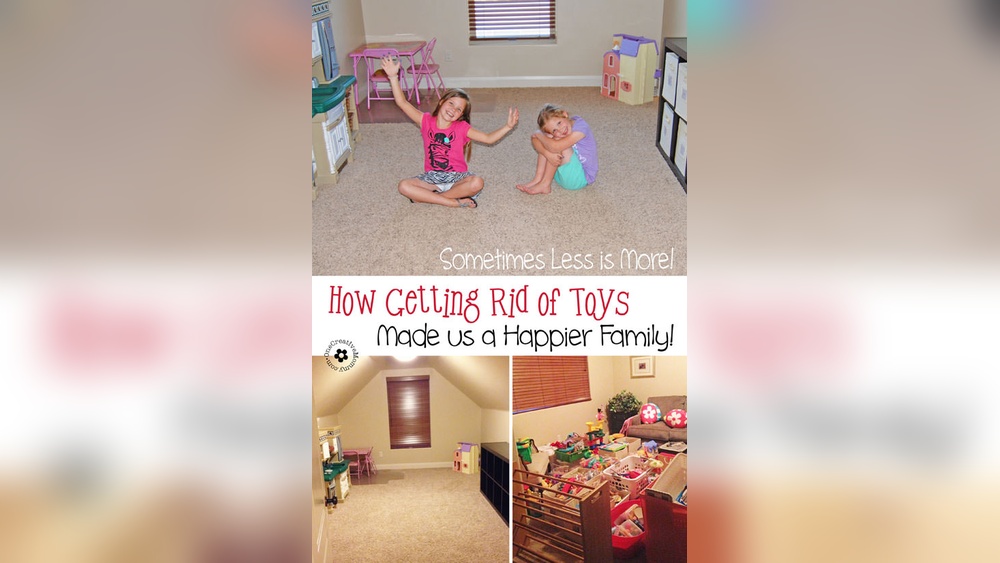
Are your kids’ toys taking over every corner of your home? It’s easy for playthings to pile up, leaving you feeling overwhelmed and cluttered.
But what if you could create a more organized space without causing a meltdown? Downsizing your kids’ toys doesn’t have to be stressful. In fact, with the right approach, you can simplify your home and make playtime more enjoyable for your children.
Keep reading to discover simple, effective steps that help you clear the chaos and bring back balance to your family life.
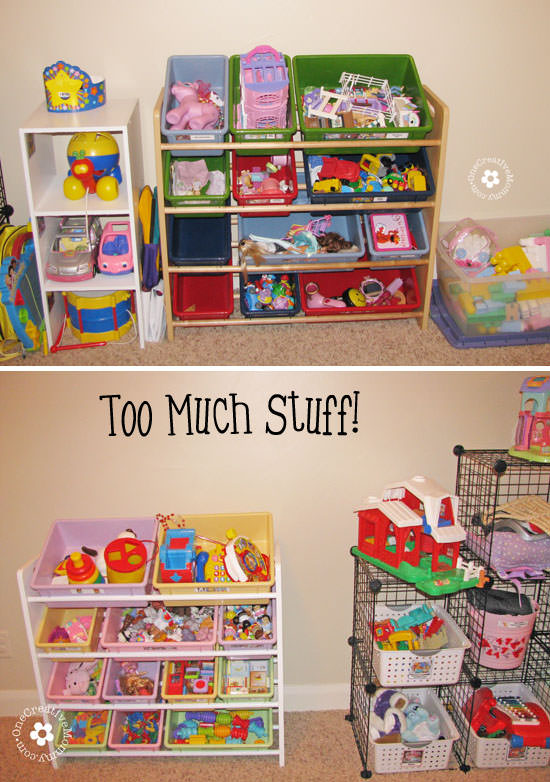
Credit: onecreativemommy.com
Benefits Of Downsizing Toys
Downsizing kids’ toys brings many positive changes to your home and family life. It helps create a calmer, more organized space for children to play and grow. Less clutter means less stress for parents and kids alike. This simple step can improve everyday routines and the overall mood at home.
Creating More Space
Removing extra toys frees up room in play areas and bedrooms. Kids get more space to move and explore. Open spaces invite creativity and new ways to play. It also makes the home feel less crowded and more peaceful.
Encouraging Mindful Play
Fewer toys help children focus on what they have. They learn to enjoy toys more deeply and use their imagination. Mindful play supports better learning and emotional growth. It teaches kids to appreciate their belongings and value quality over quantity.
Simplifying Cleaning Routines
With fewer toys, tidying up takes less time and effort. Kids can easily put away their toys and keep their rooms neat. Parents spend less time managing clutter. Simple cleaning routines reduce stress and keep the home looking tidy every day.

Credit: www.amazon.ae
Assessing Current Toy Collection
Assessing the current toy collection is the first step in downsizing kids’ toys. It helps to see what toys are available and which ones need attention. This process makes it easier to decide what stays and what goes. Taking time to carefully check each toy saves space and keeps the collection manageable.
Start by organizing the toys. This will give a clear picture of the collection’s size and condition. Sorting helps to spot toys that are rarely used or broken. This way, you can focus on what really matters to your child.
Sorting By Usage And Condition
Divide toys into groups based on how often your child plays with them. Keep favorites and daily use toys in one pile. Toys played with less often go into another. Check each toy for damage or missing parts. Broken toys may need repair or removal. This step helps keep only toys that bring joy and function well.
Identifying Duplicates And Outgrown Items
Look for toys that are similar or the same. Having many duplicates can clutter the space. Choose the best or most loved ones to keep. Also, find toys that no longer fit your child’s age or interests. These can be donated or stored for younger siblings. Removing outgrown toys frees up room for new favorites.
Involving Kids In The Process
Getting kids involved in downsizing their toys helps them learn and feel proud. It teaches them how to decide what to keep and what to let go. This process also makes the task less stressful for parents and more fun for children. Kids feel heard and respected when included in these choices.
Teaching Decision-making Skills
Start by explaining why downsizing is important. Use simple words to talk about space and sharing. Let kids pick their favorite toys first. Ask questions like, “Which toy do you play with most?” or “Does this toy still make you happy?” This helps them think clearly. Praise their choices to build confidence. Teach them to say goodbye kindly to toys they no longer want.
Making Downsizing Fun And Engaging
Turn downsizing into a game or challenge. Set a timer and see how many toys they can sort quickly. Use colorful boxes for “Keep,” “Donate,” and “Recycle.” Play music to keep energy high. Celebrate small wins with stickers or a special snack. Make sure to take breaks and keep the mood light. Fun moments make kids want to help again.
Effective Sorting Strategies
Sorting kids’ toys can feel like a big task. Effective sorting strategies help make this easier. These methods save time and reduce clutter. Clear steps help children and parents decide what to keep or let go.
Sorting also teaches kids about organization and sharing. They learn to value their toys and make space for new ones. Using simple techniques can turn sorting into a fun activity for the whole family.
Using Keep, Donate, And Discard Boxes
Start by labeling three boxes: Keep, Donate, and Discard. This makes decisions simple and clear. Ask your child to pick toys for each box. Keep toys that are loved and used often.
Put gently used toys that others could enjoy in the Donate box. Broken or unsafe toys go into the Discard box. This method helps focus on what really matters. It also encourages kindness by giving toys to others.
Setting Clear Limits On Toy Quantity
Set a clear limit on how many toys to keep. Use a shelf or a bin to hold the allowed number. When new toys arrive, one must leave. This rule keeps the toy collection manageable.
Limits teach kids to choose favorites carefully. It stops toys from piling up too much. This simple rule helps maintain a tidy space over time.
Organizing And Storing Remaining Toys
After downsizing kids’ toys, organizing and storing the remaining items is key. It keeps the space neat and makes playtime easier. Proper storage helps children find toys quickly. It also teaches them to care for their things. A clear system reduces clutter and saves time.
Choosing The Right Storage Solutions
Select storage that fits the room and child’s needs. Use bins, baskets, or shelves to keep toys tidy. Clear containers help kids see what is inside. Stackable boxes save floor space and keep toys separate. Soft bins work well for stuffed animals. Choose durable materials to handle rough use. Make sure storage is easy for children to reach. This encourages independence and responsibility.
Labeling And Rotating Toys
Label boxes with words or pictures for easy ID. Labels help children know where to put toys back. Rotating toys keeps playtime fresh and exciting. Store some toys away and swap them every few weeks. This method reduces clutter and keeps kids interested. It also extends the life of toys by preventing overuse. Keep a small selection accessible to avoid mess.
Maintaining A Clutter-free Toy Area
Keeping a toy area neat makes playtime more fun and less stressful. A clutter-free space helps kids find their favorite toys quickly. It also teaches them good habits about tidiness. Simple steps can maintain order in the play area every day. Consistency is key to prevent mess from piling up.
Establishing Regular Clean-up Habits
Set a specific time for toy clean-up each day. Make it part of the daily routine, like before dinner or bedtime. Encourage kids to put toys back in their places. Use clear bins or labeled boxes to help organize toys. Praise children for tidying up quickly and carefully. Small, regular efforts stop clutter from growing big. Clean-up becomes easier when everyone takes part.
Incorporating Toy Rotation Systems
Keep only a few toys out at once. Store the rest in boxes or closets. Switch toys every few weeks to keep interest high. Toy rotation makes old toys feel new again. It reduces the number of toys scattered around. This system helps maintain a cleaner, more organized play area. Kids enjoy variety without the mess.
Donating And Recycling Old Toys
Donating and recycling old toys helps clear clutter and supports good causes. It gives toys a second life and reduces waste. Sorting toys to donate or recycle is a smart step in downsizing.
Finding Charities And Recipients
Many charities accept gently used toys. Local shelters, daycare centers, and hospitals often need donations. Check community centers or religious groups for toy drives. Some organizations collect toys year-round. Clean toys and sort them by condition before donating. Label boxes clearly to help recipients. Donating teaches kids about giving and caring.
Eco-friendly Disposal Options
Toys beyond use can harm the environment if thrown away. Recycling plastics and metals reduces landfill waste. Search for local recycling programs that accept toys. Some stores offer take-back programs for old toys. Broken toys may be turned into art or craft materials. Avoid tossing toys in regular trash to protect nature. Choose recycling to keep your home and planet clean.

Credit: www.amazon.ae
Frequently Asked Questions
How Do I Start Downsizing Kids’ Toys Effectively?
Begin by sorting toys into categories: keep, donate, and discard. Involve your child to teach decision-making. Focus on toys used frequently and in good condition to keep.
What Are The Best Ways To Organize Downsized Toys?
Use clear bins, labels, and shelves for easy access. Store similar toys together to maintain order. Rotate toys periodically to keep your child interested.
How Often Should I Downsize My Child’s Toys?
Downsize toys every 3 to 6 months to prevent clutter. Regularly assess which toys are no longer played with. This keeps play areas tidy and manageable.
How Can I Involve Kids In The Downsizing Process?
Encourage kids to choose toys to keep or donate. Make it a fun activity to teach responsibility. Praise their efforts to build positive habits.
Conclusion
Downsizing kids’ toys helps create a cleaner, safer space. It teaches children about sharing and caring for their things. Sorting toys into keep, donate, or toss makes the process easier. Fewer toys can lead to more creativity and fun. Remember, quality matters more than quantity.
Start small and involve your kids in decisions. This simple step brings calm and order to your home. Try it today and see the difference it makes!
