

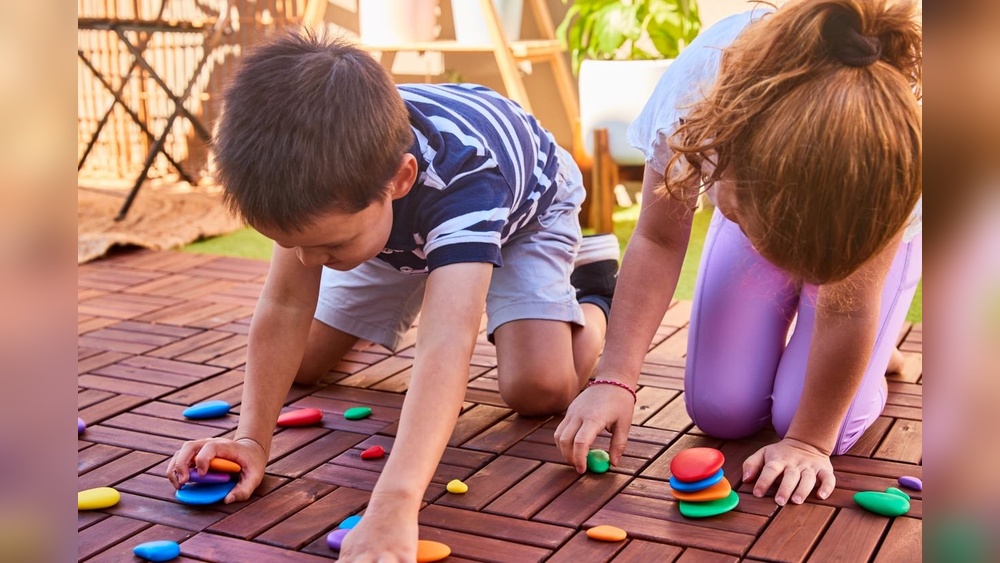
Have you ever wondered how long your kids should play with their toys each day? Finding the right balance between fun and learning can be tricky.
Too little playtime might leave them bored, while too much could affect their focus and rest. You’ll discover simple, practical tips to help you decide the perfect playtime for your child. Keep reading to unlock the secret to making playtime both enjoyable and beneficial for your little ones.

Credit: www.todaysparent.com
Benefits Of Playtime
Playtime is more than just fun for kids. It helps their brain, emotions, and body grow strong. Kids learn new skills and discover the world around them through play. Toys and games spark creativity and problem-solving. Regular play builds healthy habits that last a lifetime.
Cognitive Growth
Playing with toys helps kids think and learn. They practice memory and focus while solving puzzles. Building blocks and shapes teach them about space and balance. Pretend play boosts imagination and language skills. These activities prepare children for school and life challenges.
Emotional Development
Playtime helps kids express feelings safely. They learn to share and take turns with friends. Playing with toys can reduce stress and anxiety. It builds confidence as children try new things. Understanding emotions during play helps kids handle real-life situations better.
Physical Activity
Active play keeps kids moving and healthy. Running, jumping, and climbing improve strength and coordination. Playing outdoors increases energy and stamina. Physical activity supports brain development and better sleep. Toys that encourage movement make exercise fun and natural.
Age-based Playtime
Age plays a big role in how long kids should play with toys. Different ages need different amounts and types of play. Playtime helps children learn, grow, and stay healthy. It also keeps them happy and curious.
Toddlers’ Play Needs
Toddlers usually play for short bursts. Their attention spans are very brief. About 15 to 20 minutes is good at a time. They explore toys with their hands and mouths. Simple, colorful toys work best. Play helps develop their senses and motor skills.
Preschoolers’ Activity Levels
Preschoolers enjoy longer play sessions. Around 30 to 45 minutes fits their energy levels. They like pretend play and building blocks. Toys that encourage creativity and movement suit them. This age needs varied play to grow social and thinking skills.
School-age Children
School-age kids can play for one hour or more. They have better focus and physical strength. They enjoy puzzles, board games, and sports toys. Playtime can include group activities or solo fun. It helps with problem solving and teamwork skills.
Signs Of Healthy Play
Healthy play is more than just fun for kids. It helps them grow, learn, and feel happy. Recognizing the signs of healthy play helps parents and caregivers know if children enjoy their time with toys. It also shows if playtime supports their development and well-being.
Engagement And Focus
Children show healthy play by staying interested in their toys. They focus on activities for several minutes without losing attention. This focus means they enjoy the task and think creatively. Kids often explore different ways to use the toy. This curiosity builds new skills and keeps their mind active.
Social Interaction
Play is healthy when kids share toys and ideas with others. They take turns, listen, and talk during playtime. This shows they learn to cooperate and respect friends. Group play helps children develop language and social skills. It also teaches patience and teamwork.
Avoiding Overstimulation
Healthy play avoids too much noise or fast activity. Kids calm down or take breaks when tired or upset. They know when to stop and choose quieter toys sometimes. This balance prevents stress and helps children enjoy play longer. Calm moments support better focus and learning.

Credit: www.todaysparent.com
Balancing Screen And Toy Time
Balancing screen and toy time is important for children’s growth. Kids need time with toys to learn and play. Screens can be fun but too much can harm their health. Finding the right mix helps children stay active and creative. Parents should guide kids to enjoy both in a healthy way.
Setting Limits
Set clear rules for screen and toy play. Decide how long children can use screens each day. Limit screen time to avoid too much sitting. Encourage breaks between screen and toy play. Consistent limits teach children good habits early.
Encouraging Active Play
Active play helps children use their bodies and minds. Toys like balls, jump ropes, or puzzles keep kids moving. Active play improves strength, coordination, and focus. Encourage children to play outside with toys daily. This balances screen time with physical exercise.
Choosing Educational Toys
Pick toys that teach new skills and ideas. Educational toys boost thinking, creativity, and problem solving. Blocks, books, and art supplies are good choices. These toys engage children longer than passive screen time. Educational play supports learning and fun together.
Tips For Parents
Helping kids play with toys in a healthy way is important. Parents play a key role in guiding this time. Setting clear steps can make playtime fun and balanced. Here are some simple tips for parents to manage toy play effectively.
Creating A Play Schedule
Set a daily time for toy play. It helps kids know when to start and stop. A routine makes playtime part of the day. Balance play with other activities like homework and rest. Use a timer to keep track. This teaches kids to manage their own playtime too.
Involving Kids In Toy Selection
Let children choose their toys sometimes. It gives them control and sparks interest. Ask what toys they like and why. This helps them feel confident and excited. Rotate toys to keep things fresh. Children stay curious and enjoy playing more.
Encouraging Outdoor Play
Move some playtime outside each day. Fresh air and space help kids stay active. Outdoor play supports physical and mental health. Suggest games that use toys but also body movement. Nature and open spaces make play more creative and fun.
When To Adjust Playtime
Knowing when to adjust your child’s playtime is important. Play is fun and helps learning. But too much or too little play can cause problems. Watch your child closely to find the right balance. Changes in behavior, health, or their own feelings can signal it’s time to change playtime length.
Behavioral Changes
Notice if your child becomes restless or irritable during play. This may mean they need a break. If they lose interest quickly or seem tired, reduce playtime. On the other hand, if they seem unhappy or bored, they may need more play. Pay attention to how they act before, during, and after play.
Health Considerations
Physical health affects how long kids can play. If your child feels tired or sick, limit playtime. Watch for signs of eye strain or headaches from screens. Make sure they take breaks and move around. Healthy playtime keeps children active and happy without causing harm.
Feedback From Children
Ask your kids how they feel about their playtime. Children often know what feels right for them. Encourage them to say if playtime is too long or too short. Respect their opinions and adjust accordingly. This helps build trust and keeps play enjoyable for them.

Credit: naturespath.com
Frequently Asked Questions
How Long Should Kids Play With Toys Daily?
Kids should play with toys for 1 to 2 hours daily. This duration balances fun and learning without causing fatigue or boredom. Regular playtime helps develop creativity, motor skills, and social interaction. Adjust playtime based on the child’s age and interest for best results.
When Do Kids Lose Interest In A Toy?
Children typically lose interest in a toy after several weeks or months. Interest fades when the toy no longer challenges or engages them. Rotating toys regularly keeps playtime fresh and stimulates curiosity. Paying attention to your child’s reactions helps identify when to introduce new toys.
How Can I Tell If My Child Plays Too Long?
Signs of excessive play include irritability, fatigue, and neglect of other activities. If play disrupts sleep or meals, it’s time to limit toy use. Balance playtime with outdoor activities, homework, and family time to promote healthy development and well-being.
Does Playtime Length Affect Child Development?
Yes, appropriate playtime positively impacts cognitive, social, and physical growth. Too little play limits creativity and skill development, while too much may cause overstimulation. Aim for balanced, varied play sessions that suit your child’s age and personality to foster healthy growth.
Conclusion
Kids need time to play with toys every day. Playing helps them learn, grow, and have fun. Too much play can cause tiredness or distraction. Too little play may slow their development. Balance is key. Let children explore different toys and activities.
Watch how they respond and adjust playtime as needed. Remember, quality play matters more than quantity. Creating a happy, healthy play routine supports kids’ growth and joy. Keep playtime simple, fun, and flexible. This way, children enjoy their toys and learn well.
