

Are you wondering if vinegar is a safe and effective way to clean your kids’ toys and plastic bins? You want to keep your little one’s playthings germ-free without using harsh chemicals.
But does vinegar really get the job done without damaging the toys or leaving behind harmful residue? You’ll discover the truth about using vinegar for cleaning kids’ items. By the end, you’ll know exactly how to make your cleaning routine safer, simpler, and more natural.
Keep reading to find out how vinegar can help protect your family’s health and keep toys sparkling clean!
Benefits Of Using Vinegar
Vinegar is a popular choice for cleaning kids’ toys and plastic bins. It works well without harsh chemicals. Many parents trust vinegar because it cleans and protects. It removes dirt and kills many germs. Vinegar also helps keep toys safe for children to use.
Using vinegar is simple and effective. It is a natural product that does not harm the environment. This makes it a smart option for families wanting safe cleaning solutions. Vinegar also costs less than many other cleaners.
Natural Antibacterial Properties
Vinegar contains acetic acid, which fights bacteria and germs. It helps reduce harmful microbes on toys and bins. This lowers the risk of infections for children. Vinegar cleans surfaces without using strong chemicals. It works well on plastic and other materials.
Non-toxic And Child-safe
Vinegar is safe to use around kids. It does not contain toxic substances. This makes it gentle on sensitive skin and easy to rinse off. Parents can feel good about using vinegar for cleaning toys. It keeps the home environment safer for little ones.
Cost-effective Cleaning
Vinegar is affordable and widely available. A small bottle lasts a long time for many cleaning tasks. Using vinegar saves money compared to buying specialized cleaners. It works well diluted with water for everyday cleaning. This makes it a budget-friendly choice for families.
Types Of Toys Suitable For Vinegar Cleaning
Vinegar is a natural cleaner that works well on many toys. It kills germs and removes dirt safely. Not all toys can be cleaned with vinegar. Some materials react badly to it. Knowing which toys are safe helps keep them clean and undamaged.
Plastic Toys
Plastic toys are great for vinegar cleaning. Most plastics handle vinegar without damage. Use a mix of water and vinegar for washing. Wipe or soak the toys for a few minutes. Rinse well with water to remove the vinegar smell. This method cleans dirt and germs effectively.
Rubber And Silicone Toys
Rubber and silicone toys can also be cleaned with vinegar. These materials resist vinegar well. Soak the toys briefly in a vinegar solution. Scrub gently with a soft brush if needed. Rinse thoroughly afterward. Vinegar helps remove sticky residue and kills bacteria on these toys.
Avoiding Electronic Components
Toys with electronic parts should not be cleaned with vinegar. Vinegar can damage circuits and batteries. Use a dry cloth or special electronic wipes instead. Keep electronic toys away from liquids to prevent harm. Focus vinegar cleaning on non-electronic toys only.
How To Clean Toys With Vinegar
Cleaning kids’ toys with vinegar is a safe and natural method. Vinegar kills germs without harsh chemicals. It is gentle on plastics and safe for children. This guide shows easy steps to clean toys using vinegar.
Preparing The Vinegar Solution
Mix equal parts of white vinegar and water in a bowl. Use enough to soak or wipe the toys. Stir the solution well. This mix cleans and disinfects effectively.
Cleaning Steps For Small Toys
Place small toys in the vinegar solution. Let them soak for 10 to 15 minutes. Use a soft brush or cloth to scrub dirt gently. Rinse toys with clean water. Dry them with a towel or air dry.
Cleaning Large Or Bulk Toys
Dip a cloth or sponge into the vinegar solution. Wipe all surfaces of the large toys carefully. For tough spots, scrub lightly with the cloth. Rinse toys with a wet cloth or hose. Let toys dry completely before use.
Credit: www.lundsandbyerlys.com
Safety Tips And Precautions
Cleaning kids’ toys and plastic bins with vinegar is a natural choice. Safety should come first. Vinegar is safe but needs care during use. Follow these tips to keep toys clean and safe.
Testing For Colorfastness
Test vinegar on a small, hidden area first. This check stops color fading or damage. Wait a few minutes after applying vinegar. Look for any changes in color or texture. If color runs or fades, do not use vinegar.
Avoiding Strong Vinegar Smell
Vinegar smell can be strong for kids. Use diluted vinegar to reduce odor. Mix one part vinegar with three parts water. Open windows for fresh air when cleaning. Let toys air out well before use.
Rinsing And Drying Properly
Rinse toys well with clean water after vinegar cleaning. This removes any leftover vinegar. Use a soft cloth to wipe toys dry. Make sure toys are fully dry before giving to children. Drying prevents mold and keeps toys safe.
Alternatives To Vinegar For Toy Cleaning
Vinegar is a popular choice for cleaning kids’ toys and plastic items. It is natural and safe but not the only option. Some toys may not react well to vinegar’s smell or acidity. Others need a stronger or gentler cleaner. Here are simple and effective alternatives to vinegar for toy cleaning. These methods keep toys clean without harsh chemicals.
Mild Soap And Water
Mild soap and water is a gentle way to clean toys. Mix a few drops of gentle dish soap with warm water. Use a soft cloth or sponge to wipe the toys carefully. This method removes dirt, germs, and sticky residue. Rinse with clean water and let toys dry completely. Soap and water work well for most plastic and rubber toys.
Disinfecting Wipes
Disinfecting wipes are quick and easy for cleaning toys. Choose wipes that are safe for children’s items. Wipe the toy’s surface thoroughly to kill germs and bacteria. These wipes dry fast and do not need rinsing. They are ideal for quick clean-ups or when soap and water are not handy. Always check the label to avoid harsh chemicals.
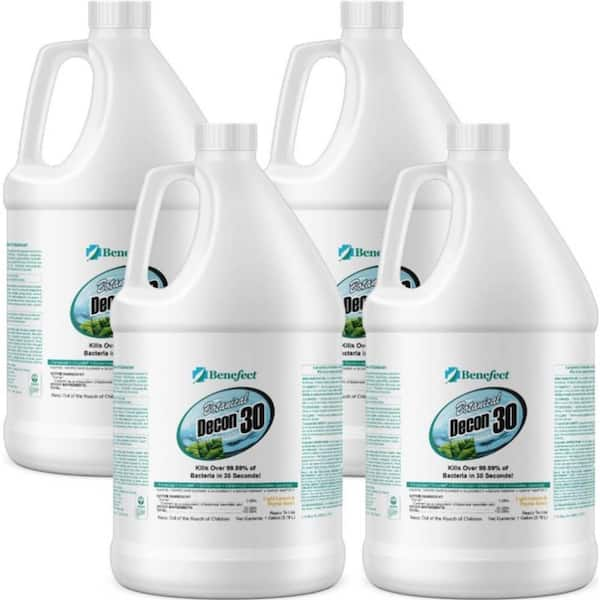
Commercial Toy Cleaners
Commercial toy cleaners are made specifically for safe cleaning. They often use gentle ingredients that kill germs without damage. These cleaners come in sprays, foams, or wipes. Follow the instructions carefully for best results. They are useful for deep cleaning and sanitizing. Commercial cleaners may cost more but offer convenience and safety.

Credit: www.amazon.com
Credit: www.homedepot.com
Frequently Asked Questions
Can Vinegar Safely Clean Kids’ Plastic Toys?
Yes, vinegar is a safe, natural cleaner for plastic toys. It effectively removes dirt and kills some bacteria without harsh chemicals. Always dilute vinegar with water and rinse toys thoroughly to avoid residue and maintain safety for children.
How To Clean Plastic Bins With Vinegar?
Mix equal parts white vinegar and water in a spray bottle. Spray the solution on plastic bins, scrub gently, and rinse well. Vinegar helps remove odors, grime, and mild stains naturally without damaging the plastic surface.
Does Vinegar Disinfect Toys And Plastic Bins?
Vinegar has mild disinfectant properties that can reduce bacteria and germs. However, it is not a registered disinfectant against all pathogens. For thorough sanitizing, especially during illness, consider EPA-approved disinfectants alongside vinegar cleaning.
Can Vinegar Damage Kids’ Toys Or Plastic Bins?
When properly diluted, vinegar is generally safe for plastic surfaces and kids’ toys. Undiluted vinegar or prolonged exposure may cause discoloration or damage. Always test on a small area and rinse items well after cleaning.
Conclusion
Vinegar works well to clean kids’ toys and plastic bins safely. It removes dirt and germs without harsh chemicals. Just mix vinegar with water for a simple cleaner. Avoid strong vinegar smells by rinsing toys after washing. This method saves money and keeps items fresh.
Always test a small area first to prevent damage. Cleaning regularly helps keep children’s play areas healthy. Vinegar offers an easy, natural way to maintain cleanliness at home. Try it and see how simple cleaning can be.
