

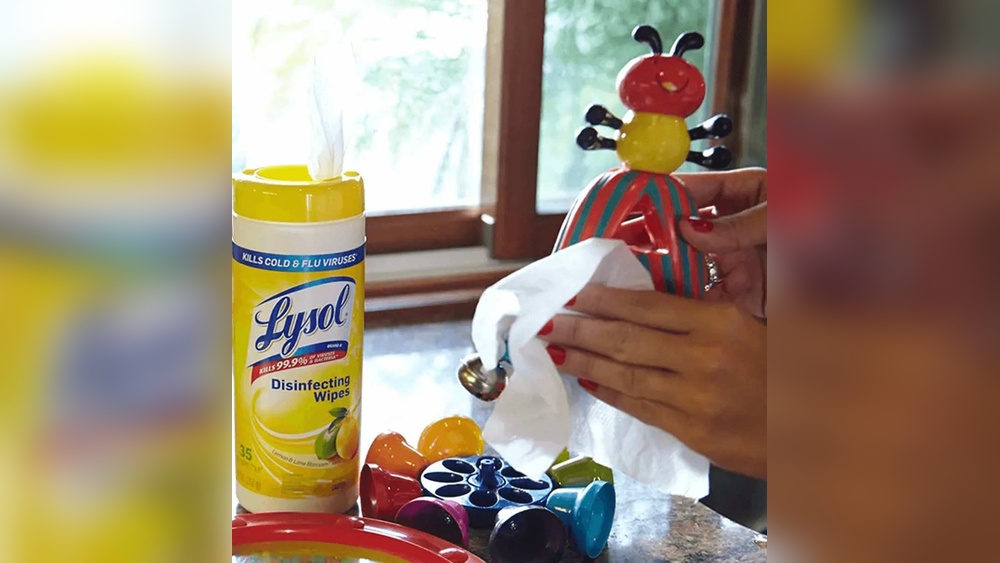
Are you wondering if it’s safe to spray Lysol on your kids’ toys? Keeping your child’s playthings clean is important, especially when germs seem to be everywhere.
But you might worry—could Lysol chemicals harm your little one? Or will it really do the job without leaving dangerous residue? You’ll discover the facts you need to protect your child while making sure their toys stay germ-free. Keep reading to find out how to clean toys safely and effectively—because your child’s health and happiness come first.
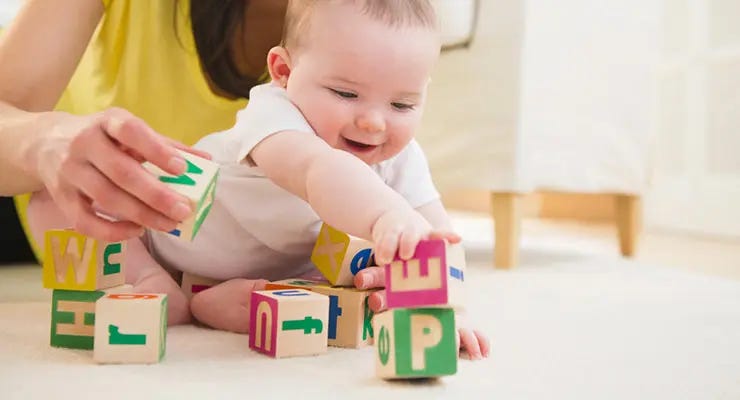
Credit: www.lysol.com
Lysol And Toy Safety
Keeping children’s toys clean is very important. Parents want to protect their kids from germs. Lysol is a popular cleaner many use. It kills bacteria and viruses quickly. But is it safe to spray Lysol on kids’ toys? Understanding Lysol’s ingredients and risks helps make the right choice.
Toys often go into children’s mouths. Any chemical left on toys can harm them. Knowing what Lysol contains helps decide if it is safe for toys. Let’s explore what Lysol is made of and the risks it may pose.
What Is Lysol Made Of
Lysol contains active ingredients like ethanol or other disinfectants. These kill germs by breaking down their cells. It also has fragrances and other chemicals for cleaning power. Some versions include quaternary ammonium compounds.
These ingredients work well on hard surfaces. But they may leave residues on toys. The chemical smell can linger after spraying. Some compounds can irritate skin or lungs if inhaled or touched.
Potential Risks For Children
Children often put toys in their mouths. Chemicals left on toys can cause harm if ingested. Skin contact with Lysol can cause irritation or rashes. Breathing in spray mist may trigger coughing or breathing problems.
Small children are more sensitive to chemical exposure. Their immune systems are still developing. Repeated exposure to disinfectants may cause allergies or other health issues.
It is best to use Lysol carefully on toys. Allow toys to dry completely before giving them to children. Wipe off any excess spray to reduce risks.
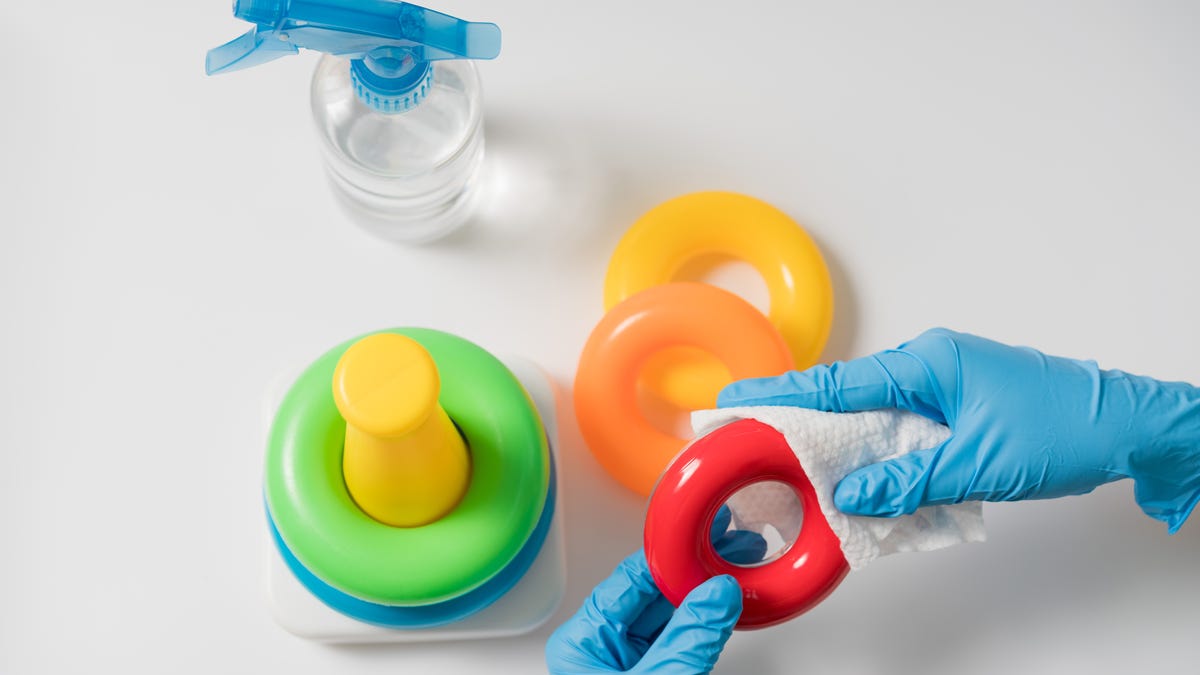
Credit: www.cnet.com
Types Of Toys And Cleaning
Cleaning kids’ toys is important for their health. Different toys need different care. Some toys can handle sprays, while others need gentle cleaning. Choosing the right method keeps toys safe and clean. Understanding toy materials helps decide the best cleaning way.
Hard Plastic Toys
Hard plastic toys are easy to clean. They can handle sprays and wipes well. Lysol spray can be used on these toys. Spray lightly and wipe with a clean cloth. Avoid soaking to protect stickers or paint. Let the toy dry completely before giving it back.
Soft Fabric Toys
Soft fabric toys need careful cleaning. Spraying Lysol directly can damage the fabric. Use a cloth lightly dampened with a safe cleaner instead. Washing machines work for some fabric toys. Always check the tag for washing instructions. Air dry to keep the shape and softness.
Electronic Toys
Electronic toys need extra caution. Avoid spraying any liquid directly on them. Use a dry or slightly damp cloth to clean surfaces. Remove batteries before cleaning to avoid damage. Keep moisture away from buttons and openings. Regular cleaning keeps electronics safe and working well.
Safe Cleaning Alternatives
Cleaning kids’ toys is important to keep germs away. Using harsh chemicals like Lysol can be unsafe for children. There are gentle and safe cleaning options. These methods clean toys well without risking your child’s health.
Mild Soap And Water
Mild soap and warm water work well for many toys. Use a soft cloth or sponge to clean. Rinse the toy thoroughly to remove soap. Let the toy air dry completely before use. This method is safe for plastic and rubber toys.
Vinegar Solutions
Vinegar is a natural cleaner and disinfectant. Mix equal parts of white vinegar and water. Spray or wipe the solution on the toy surface. Avoid soaking toys in vinegar to protect materials. Rinse with water and dry well. Vinegar removes germs without harsh chemicals.
Toy-specific Cleaners
Some toys need special cleaning products. Check the label or manufacturer’s instructions. Use cleaners made for baby toys or electronics. These products are safe and effective. Always test on a small area first. Proper cleaners keep toys clean and undamaged.
Proper Use Of Lysol On Toys
Using Lysol on kids’ toys requires care and the right method. Proper cleaning helps keep toys safe from germs. It also protects your children from harsh chemicals. Understanding when and how to use Lysol ensures safety and cleanliness.
When Lysol Is Appropriate
Lysol works well on hard, non-porous toys. Plastic, metal, and glass toys are good examples. Avoid using Lysol on soft toys or fabric. These materials can absorb chemicals and harm children. Use Lysol mainly during illness outbreaks or after outdoor play.
Dilution And Application Tips
Always follow the instructions on the Lysol bottle. Some sprays need to be diluted with water before use. Spray lightly to cover the toy surface. Do not soak the toy. Use a clean cloth to wipe off excess liquid. Avoid spraying near batteries or electronic parts.
Drying And Ventilation
Let toys dry completely before giving them back to kids. Air drying is the safest method. Place toys in a well-ventilated area. This reduces chemical residue and speeds drying. Never wipe toys with a damp cloth too soon after spraying. Dry toys help prevent skin irritation and accidental ingestion.
Precautions For Parents
Parents want to keep their children’s toys clean and safe. Using Lysol on toys might seem helpful. Still, parents must take some important precautions. These steps protect kids from harmful chemicals and keep toys safe to use. Understanding these safety tips can make cleaning easier and safer for the whole family.
Avoiding Chemical Residue
Spraying Lysol directly on toys can leave chemical residue. This residue can be harmful if children put toys in their mouths. Always spray Lysol on a cloth first. Wipe the toy with the damp cloth instead of spraying it directly. Let the toy dry completely before giving it back to your child. This helps reduce the risk of chemical exposure.
Keeping Cleaning Products Away From Kids
Store Lysol and other cleaning products out of children’s reach. Use high shelves or locked cabinets for storage. Children may be curious and try to touch these products. Accidental ingestion or contact can cause serious harm. Teach children that these items are not toys. Always supervise when cleaning around children.
Signs Of Chemical Sensitivity
Watch for signs that your child reacts to cleaning products. Symptoms include coughing, sneezing, skin rashes, or eye irritation. If you notice these signs, stop using the product immediately. Wash the toy and surrounding area with water. Consult a doctor if symptoms continue or worsen. Early action helps protect your child’s health.
.jpg)
Credit: uat.www.lysol.com
Frequently Asked Questions
Can You Safely Spray Lysol On Kids’ Toys?
Yes, you can spray Lysol on toys, but avoid direct contact with children. Let toys dry completely before use.
How Long Should Lysol Stay On Toys Before Wiping?
Allow Lysol to sit on toys for at least 10 minutes for effective disinfection. Wipe off any residue afterward.
Is Lysol Safe For All Types Of Kids’ Toys?
Lysol is safe for hard, non-porous toys. Avoid using it on fabric or electronic toys to prevent damage.
Can Lysol Cause Harm If Kids Touch Sprayed Toys?
If toys are dry after spraying, Lysol poses minimal risk. Ensure thorough drying to prevent skin irritation.
Conclusion
Spraying Lysol on kids’ toys needs care and caution. Always check the label for safety instructions. Avoid spraying directly on toys that children put in their mouths. Wipe toys well after using any disinfectant. Use safer options like soap and water when possible.
Keeping toys clean helps protect your child’s health. Simple steps keep playtime safe and fun. Remember, safety comes first with every cleaning choice.
