

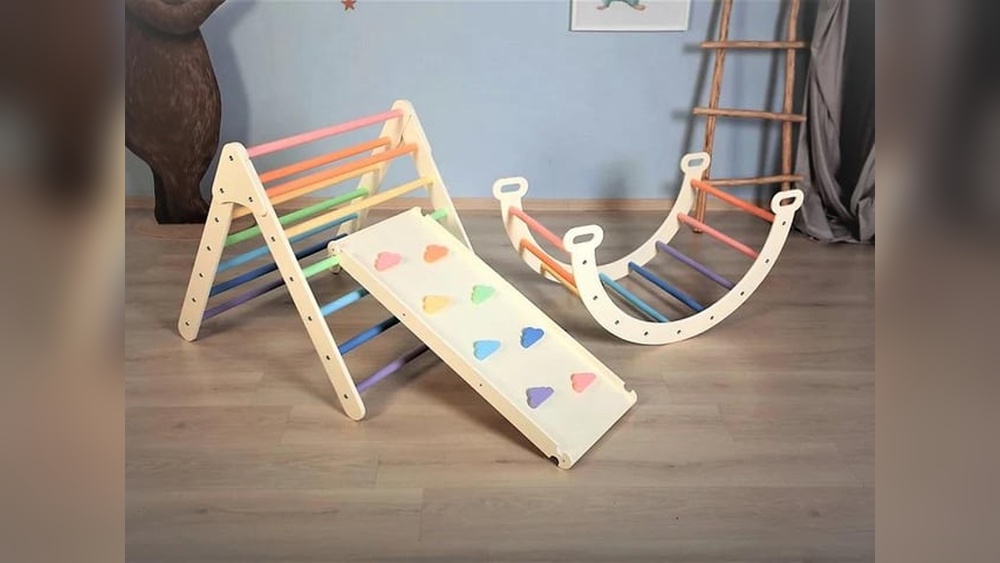
Are you thinking about making toys for your kids and wondering if plywood is the right material? You want something safe, durable, and easy to work with.
But is plywood really a good choice for children’s toys? This question matters because your child’s safety and happiness come first. You’ll discover the key facts about using plywood for kids’ toys, including its benefits and what you need to watch out for.
Keep reading to find out if plywood can be the perfect material for your next creative project.

Credit: www.popularwoodworking.com
Safety Of Plywood For Kids Toys
Plywood can be a good choice for making kids toys. Safety is the top priority. Not all plywood is safe for children’s use. Knowing the types of plywood and the finishes used is key. Avoiding harmful chemicals keeps toys safe and healthy for kids. This section explains how to choose plywood that is safe for toys.
Types Of Plywood And Their Safety
Different plywood types have different safety levels. Exterior plywood uses strong glue but may have harmful chemicals. Interior plywood often uses safer adhesives. Baltic birch plywood is a popular choice. It is strong and has fewer toxic resins. Check for plywood labeled as “formaldehyde-free” or “low VOC.” These are safer for kids’ toys.
Non-toxic Finishes And Sealants
Finishes protect plywood from moisture and wear. Use non-toxic, child-safe finishes only. Water-based paints and sealants are best. They release fewer harmful fumes. Natural oils like linseed or tung oil work well. Always check product labels for safety certifications. Let the finish dry completely before giving toys to children.
Avoiding Harmful Chemicals
Some plywood contains formaldehyde and other toxins. These can cause breathing problems and allergies. Avoid plywood with urea-formaldehyde glue. Choose products certified by safety standards like CARB or EPA. Also, avoid finishes with heavy metals or solvents. Keep kids away from unfinished plywood edges to prevent splinters. Sanding smooth edges reduces risk.

Credit: tookystudio.com
Durability Factors Of Plywood Toys
Plywood is a popular choice for making kids toys. Its durability plays a big role in keeping toys safe and long-lasting. Understanding the durability factors helps parents and makers choose the best materials for children.
Durability means how well plywood holds up against use, damage, and time. Toys must be strong to handle drops, bumps, and rough play. Plywood offers qualities that make it suitable for this purpose.
Strength Compared To Other Materials
Plywood is made by gluing thin wood layers together. This layering makes it stronger than plain wood. It resists bending and breaking better than plastic or soft wood. Toys made from plywood can take more force without cracking.
Compared to plastic, plywood feels more natural and sturdy. It can support weight and rough handling, which is common with kids’ toys. The strength helps toys last longer and stay safe to use.
Resistance To Wear And Tear
Plywood resists scratches and dents well. The surface stays smooth even after many uses. It does not chip easily like some plastics or cheap woods. This quality keeps toys looking good for a long time.
Edges of plywood toys stay solid and do not splinter quickly. This reduces the risk of injury during play. The resistance to wear means less frequent replacement or repair.
Maintenance Tips For Longevity
Keep plywood toys dry to prevent warping or swelling. Wipe them with a soft cloth to remove dirt and dust. Use mild soap and water for cleaning, then dry thoroughly.
Apply a child-safe sealant or varnish to protect the surface. Avoid harsh chemicals that can damage the wood or finish. Store toys in a cool, dry place to maintain their strength and look.
Creative Uses Of Plywood In Toys
Plywood is a versatile material that fits well in making kids toys. It is strong, light, and easy to work with. Many creative projects start with simple plywood sheets. Crafting toys from plywood allows for endless design possibilities. It gives a natural look and feels safe for children.
Using plywood lets you create unique toys that last long. You can shape it, paint it, or add textures. This material supports both simple and complex toy ideas. Plywood encourages creativity and hands-on fun for both kids and parents.
Design Ideas For Diy Plywood Toys
Cut plywood into puzzles, blocks, or small cars. Simple shapes like animals or letters work great. Stack or join pieces for 3D toys. Build dollhouses or miniature furniture sets. The flat surface makes it easy to assemble parts.
Incorporating Colors And Textures
Paint plywood with child-safe colors. Use bright shades to attract attention. Sand parts smooth or leave some rough for texture. Add felt or fabric for a soft touch. Combining colors and textures makes toys exciting to touch and see.
Customizing Toys With Engraving And Painting
Engrave names or patterns on the plywood surface. Use simple lines or fun shapes for decoration. Painting adds personality and character to toys. Personal touches make each toy special and unique. These details engage kids and make playtime more fun.

Credit: www.amazon.com
Choosing The Right Plywood Grade
Choosing the right plywood grade is key when making kids toys. Not all plywood is safe or strong enough for children. The grade affects the wood’s smoothness, strength, and safety. Picking the correct grade helps avoid splinters and harmful chemicals. It also ensures toys last longer and stay safe during play.
Grades Suitable For Children’s Items
Look for plywood labeled as “A” or “B” grade. These have fewer knots and smooth surfaces. Avoid plywood with many knots or rough patches. Baltic birch plywood is a popular choice. It is strong, smooth, and safe for kids. Choose plywood that uses non-toxic glue to keep children safe.
Balancing Cost And Quality
Higher grade plywood costs more but lasts longer. Low-grade plywood may have rough spots and weak layers. Find a balance between price and safety. Spending a bit more on good plywood saves money on repairs. It also protects children from splinters and breaks.
Where To Buy Safe Plywood
Buy plywood from trusted hardware stores or specialty wood suppliers. Check for certifications about safety and chemical use. Avoid plywood with strong chemical smells. Online stores may provide detailed product information and reviews. Always ask about the plywood’s grade and glue type before buying.
Building And Finishing Tips
Building toys from plywood requires careful steps to ensure safety and durability. Proper techniques help create smooth, safe edges and strong joints. Finishing the wood with child-safe coatings protects kids from harmful chemicals. These tips make your plywood toys safe and fun.
Cutting And Sanding For Smooth Edges
Cut plywood with a sharp saw for clean lines. Rough cuts can cause splinters. Sand all edges and surfaces thoroughly. Use fine-grit sandpaper to make edges smooth. Check for any sharp points or rough spots. Smooth edges prevent injuries during play.
Safe Assembly Techniques
Use non-toxic glue or screws to join pieces firmly. Avoid small parts that can detach easily. Make sure screws are flush or countersunk into the wood. Double-check all connections for stability. Well-assembled toys last longer and stay safe.
Applying Child-safe Coatings
Choose water-based, non-toxic finishes made for children’s products. Avoid paints and varnishes with harmful chemicals. Apply thin, even coats to seal the wood. Let each layer dry completely before adding another. Finished toys resist moisture and stains while staying safe.
Alternatives To Plywood For Kids Toys
Choosing the right material for kids’ toys is important. Plywood is common, but some parents want safer or greener choices. Exploring other options can help find the best fit for your child’s toys. These alternatives offer different benefits and features.
Natural Wood Options
Solid wood is a popular choice for kids’ toys. It is strong and lasts long. Woods like maple, birch, or pine work well. These woods have smooth surfaces and can be sanded easily. Natural wood is free from harmful chemicals. It feels warm and safe for children to touch.
Wood toys can be painted with non-toxic colors. They also have a classic look that many parents like. Wooden toys often become keepsakes passed through generations.
Eco-friendly Materials
Materials like bamboo and recycled plastics are growing in use. Bamboo grows fast and is very sturdy. It is a good choice for environmentally conscious families. Recycled plastics reduce waste and are safe if certified.
Some companies use natural rubber or organic cotton. These materials are soft and safe for babies. Eco-friendly options focus on reducing harm to nature and kids.
Comparing Pros And Cons
Natural wood is durable and safe but can be expensive. It may also be heavier than plywood. Eco-friendly materials support the environment but vary in strength. Some may not last as long as wood.
Plywood is affordable and easy to shape. Yet, it can contain glues or chemicals. Choosing depends on your budget, safety, and toy use. Each material offers unique benefits for kids’ playtime.
Frequently Asked Questions
Is Plywood Safe For Making Kids’ Toys?
Plywood can be safe if it uses non-toxic glue and finishes. Choose plywood labeled as child-safe or formaldehyde-free. Sand edges smoothly to avoid splinters. Always verify the materials meet safety standards for children’s products before use.
What Type Of Plywood Is Best For Kids’ Toys?
Baltic birch plywood is preferred for kids’ toys. It is strong, smooth, and has fewer voids. This plywood type holds up well to sanding and painting, making it ideal for safe, durable toys.
How To Finish Plywood For Children’s Toys?
Use non-toxic, water-based finishes like child-safe paints or sealants. Avoid finishes with harmful chemicals or strong odors. Proper finishing protects the wood and ensures toys are safe to handle and chew.
Can Plywood Cause Allergies In Children?
Plywood itself rarely causes allergies, but some glues or finishes might. Choose formaldehyde-free and hypoallergenic plywood types. Always check product labels for potential allergens to ensure children’s safety.
Conclusion
Plywood can be a safe and good choice for kids’ toys. Choose smooth, high-quality plywood to avoid splinters. Always check for non-toxic glue and finishes. Simple designs keep toys sturdy and fun. Remember to sand edges well for safety. Plywood toys can last long with proper care.
They also offer a natural look and feel. Use your creativity to make unique toys that kids will enjoy. Safety and quality matter most when making toys. Plywood makes a practical option for many DIY projects.
