

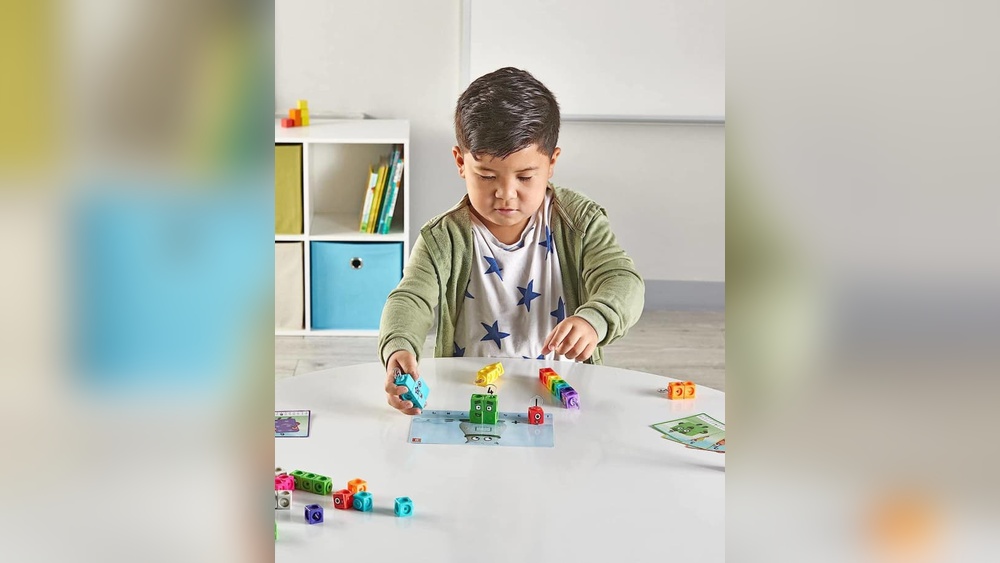
You want to keep your kids’ toys clean and safe, but are you sure steaming is the right way? You might wonder if steam can kill germs without damaging the toys.
What if some toys can’t handle heat or moisture? Before you grab that steamer, it’s important to know what works and what doesn’t. Keep reading to find out how steaming affects different types of kids’ toys, and learn the best ways to keep your little one’s playthings fresh and safe.
Benefits Of Steaming Toys
Steaming kids’ toys offers many benefits. It cleans toys well and keeps children safe. Using steam is a smart way to keep toys fresh and healthy. It removes dirt and germs without harsh chemicals.
Parents can trust steam to clean toys quickly. This method saves time and effort. Toys dry fast and stay in good condition longer. Steaming is gentle but strong enough to kill bacteria.
Kills Germs Effectively
Steam reaches high temperatures that kill most germs. It removes bacteria, viruses, and mold from toy surfaces. This helps stop the spread of illnesses among kids. Steam cleans deep into small cracks and holes.
Chemical-free Cleaning
Steaming does not use any chemicals or soaps. This makes it safe for children and the environment. Parents avoid worrying about harmful residues on toys. It is a natural and gentle way to clean.
Quick Drying Process
Toys dry much faster after steaming than washing. The heat from steam evaporates moisture quickly. This reduces the chance of mold or mildew growth. Kids can play with their toys sooner.

Credit: www.amazon.com
Types Of Toys Safe For Steaming
Steaming kids’ toys can be a good way to clean and sanitize them without harsh chemicals. Not all toys handle steam well. Choosing the right type of toy is key to avoid damage. Some materials stand up well to steam, while others do not. Below are the types of toys that are safe for steaming.
Plastic And Rubber Toys
Plastic and rubber toys usually handle steam well. These materials do not absorb water. Steam can kill germs and remove dirt from their surfaces. Avoid toys with stickers or painted parts that might peel off. Always check the toy’s label for cleaning instructions. Hard plastic toys and rubber bath toys are good candidates for steaming.
Fabric And Plush Toys
Steaming works for many fabric and plush toys. It helps remove dust and freshens them up. Steam kills bacteria and dust mites in soft toys. Use a gentle steam setting to protect the fabric. Avoid soaking the toy with too much moisture. Let the toy dry completely after steaming to stop mold growth.
Electronic Toys To Avoid
Electronic toys should never be steamed. Moisture can damage the circuits inside. Steam can cause short circuits or permanent damage. Use other cleaning methods like wiping with a damp cloth. Always remove batteries before cleaning electronic toys. Keep electronics away from any direct steam or water.
Steaming Methods And Tools
Steaming kids toys is a safe and effective way to clean and sanitize them. Choosing the right steaming method and tool helps protect the toys while removing germs. Several options exist, each with its benefits and ease of use.
Using A Handheld Steamer
A handheld steamer is a small device that produces hot steam. It works well on plastic and fabric toys. Hold the steamer a few inches away from the toy. Move it slowly to cover all surfaces. This method kills bacteria without soaking the toy.
Handheld steamers are quick and easy to use. They do not require chemicals or detergents. Make sure the toy can handle heat before steaming.
Steam Cleaning Machines
Steam cleaning machines are larger and more powerful. They create continuous steam for deep cleaning. These machines work best on bigger toys or multiple items. Use the machine’s attachments to reach small or detailed parts.
Steam cleaning machines often have settings to adjust steam strength. This helps protect delicate toys from damage. Always read the instructions before use.
Diy Steaming Techniques
DIY steaming uses household items like a pot and a cloth. Boil water in a pot to produce steam. Hold the toy above the steam without touching water. Cover the toy with a clean cloth to trap steam.
This simple technique disinfects toys without special tools. Be careful to avoid burns from hot steam or water. Use this method only on toys that tolerate heat and moisture.

Credit: www.steampoweredfamily.com
Step-by-step Steaming Guide
Steaming kids’ toys is a safe and effective way to clean them. This guide breaks down the process into simple steps. Follow these easy instructions to ensure toys get cleaned without damage.
Preparing Toys For Steaming
Start by checking the toy material. Avoid steaming toys with electronic parts or batteries. Remove any dirt or loose debris from the surface. Wash toys with mild soap and water if needed. Let them dry before steaming. Arrange toys on a clean, heat-safe surface. Keep toys spaced apart for even steam contact.
Proper Steaming Duration
Turn on the steamer and let it heat fully. Hold the steamer nozzle about 6 inches from the toy. Move the nozzle slowly over all surfaces. Steam each toy for about 1 to 2 minutes. Do not over-steam to avoid damage. Pay attention to small crevices and seams. Stop if the toy feels too hot to touch.
Post-steam Care
Allow toys to air dry completely after steaming. Wipe them gently with a clean cloth if needed. Check for any damage or weak spots. Store toys in a dry place to prevent mold. Repeat steaming regularly to keep toys clean and safe. Always supervise children during and after toy cleaning.
Safety Precautions
Steaming kids’ toys can help clean them safely. But taking safety steps is very important. These steps protect both your child and the toys.
Follow simple rules to avoid injuries and keep toys in good shape. Safe handling and storage matter after cleaning.
Avoiding Burns And Injuries
Steam is very hot and can cause burns quickly. Always hold the steamer away from your skin and your child’s skin. Keep your child at a safe distance while steaming. Use slow, gentle movements to avoid splashing hot steam. Wear heat-resistant gloves for extra protection.
Preventing Damage To Toys
Not all toys can handle steam. Check the toy’s label for cleaning instructions. Avoid steaming toys with batteries or electronics inside. Use low steam settings for plastic or painted toys. Test a small hidden area first to see how the toy reacts.
Safe Storage After Cleaning
Let toys dry completely before storing them. Store toys in a dry, cool place to prevent mold. Avoid tight boxes that trap moisture. Clean the steamer and store it safely out of children’s reach. Proper storage keeps toys fresh and ready for play.
Alternative Cleaning Options
Steaming toys is not the only way to clean them safely. Many parents want gentle, effective options that do not damage the toys. Alternative cleaning methods can remove dirt and germs without steam. These options work well for different types of toys.
Washing With Soap And Water
Soap and water is a simple way to clean most toys. Use warm water and mild soap. Gently scrub the surface with a soft cloth or sponge. This removes dirt and some germs. Rinse the toy thoroughly to remove soap. Dry the toy completely before giving it back to your child.
Using Disinfectant Wipes
Disinfectant wipes kill many bacteria and viruses on toy surfaces. They are easy to use and fast. Wipe the toy carefully, covering all areas. Avoid wipes with strong chemicals on delicate toys. Let the toy air dry. Use wipes safe for children’s items to prevent irritation.
Machine Washing Plush Toys
Many plush toys can be cleaned in a washing machine. Place the toy in a pillowcase or laundry bag first. Use a gentle cycle with cold water. Use mild detergent suitable for sensitive skin. After washing, air dry the toy completely. Avoid using a dryer to prevent damage.
When To Avoid Steaming Toys
Steaming toys is a popular way to clean and sanitize them. It can remove germs without harsh chemicals. Yet, not all toys can handle steam safely. Some materials and features can get damaged. Knowing when to avoid steaming keeps toys safe and lasts longer.
Fragile Or Delicate Materials
Toys made from soft fabric, foam, or thin plastic can get damaged by steam. The heat and moisture may cause colors to fade or materials to warp. Steaming can also weaken glue or seams. Avoid steaming these toys to prevent damage.
Toys With Batteries Or Electronics
Steam and water can harm electronic parts inside toys. Batteries may leak or corrode. Circuits can short-circuit and stop working. Always keep steam away from toys with lights, sounds, or moving parts that need power.
Manufacturer Recommendations
Check the toy’s label or instructions before steaming. Some manufacturers warn against steam cleaning. They may suggest other ways to clean safely. Following these guidelines helps keep toys in good condition and safe for kids.
Credit: www.steampoweredfamily.com
Frequently Asked Questions
Can You Steam Sanitize Kids’ Plastic Toys Safely?
Yes, you can steam sanitize plastic toys if they are heat-resistant. Avoid steaming delicate or electronic toys to prevent damage.
Does Steaming Kill Germs On Children’s Toys?
Steaming can effectively kill most bacteria and germs on toys. It uses high heat to sanitize without chemicals, making it safe for kids.
Which Toys Should Never Be Steamed For Cleaning?
Avoid steaming plush, fabric, or battery-operated toys. Moisture and heat can damage these materials or cause malfunctions.
How Often Should You Steam Clean Kids’ Toys?
Steam clean toys regularly, especially after illness or outdoor play. Monthly cleaning keeps toys hygienic and safe for children.
Conclusion
Steam cleaning kids’ toys can be safe and effective. Always check the toy’s material first. Some plastics and fabrics may not handle steam well. Use gentle steam and avoid soaking the toy. Steam kills germs without harsh chemicals. It also dries quickly, reducing mold risk.
Keep steam away from electronic parts. Clean toys regularly to keep kids healthy. Steam cleaning is a simple way to help. Just be careful and follow these tips. Your child’s toys can stay clean and safe.
