

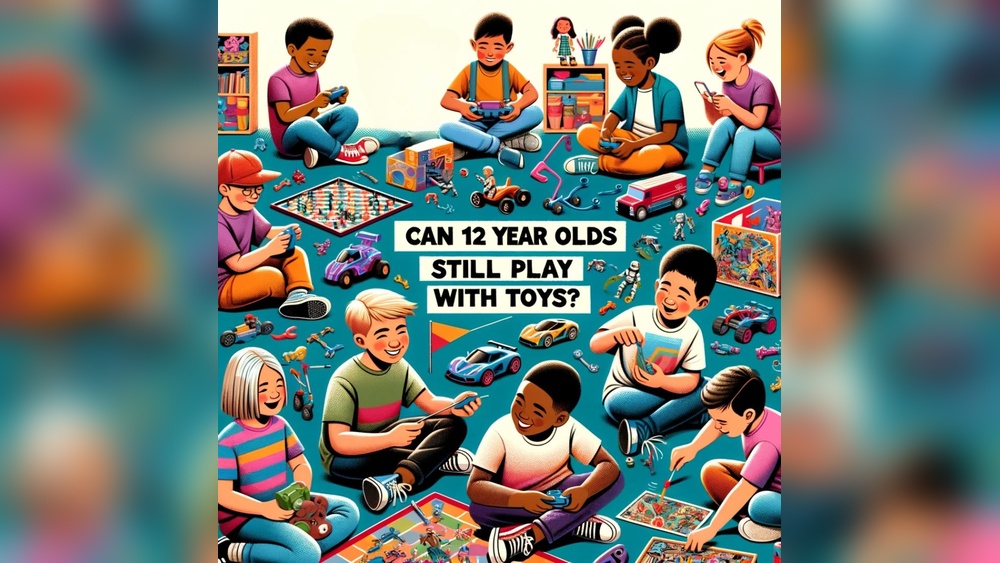
Have you ever wondered if kids still play with toys like they used to? With screens everywhere and endless digital distractions, it’s easy to think toys might be losing their charm.
But what if toys are more important now than ever for your child’s growth and happiness? Keep reading, because what you discover might surprise you—and it could change how you see playtime forever.
Changing Play Trends
Play habits have shifted a lot over the years. Kids today enjoy different ways to have fun. Toys are still around but the way children play has evolved. This change reflects new interests and new tools available to them.
Understanding these trends helps us see how play fits into children’s lives now. It also shows how play shapes their growth and learning. The world of play is broad and always changing.
From Traditional To Digital
Traditional toys like dolls, blocks, and cars remain popular. They help kids use their imagination and build skills. Yet, digital toys are gaining more attention. These include tablets, video games, and apps made for learning and fun.
Digital play offers new ways to interact and explore. Kids can join virtual worlds and solve puzzles online. This type of play can be very engaging and fast-paced. Both traditional and digital toys have important roles today.
Impact Of Technology On Play
Technology changes how kids play every day. It adds sounds, colors, and challenges that attract children. Some toys connect to the internet for updates and new features. This keeps the play fresh and exciting.
Parents and teachers watch how technology affects attention spans and social skills. They balance screen time with other play forms. Technology helps children learn new things but needs limits. Play remains a key part of childhood growth.

Credit: riiroo.com
Types Of Toys Kids Prefer
Kids enjoy many types of toys today. Some toys have lasted for decades. Others use modern technology. Each type offers fun in unique ways. Understanding these toys helps us see what kids like now.
Classic Toys That Endure
Classic toys never lose their charm. Dolls, building blocks, and puzzles remain popular. These toys help children use their imagination. They also teach basic skills like problem-solving and creativity. Many parents choose these toys for their simple and lasting fun. They bring joy across generations.
Popular Digital And Interactive Toys
Digital toys attract many kids today. Tablets, educational apps, and robotic pets are common. These toys often combine learning with play. They respond to touch, voice, or movement. Kids enjoy the excitement and new experiences. Digital toys also encourage curiosity and skill development in technology.
Benefits Of Toy Play
Toy play is more than just fun. It helps kids grow in many ways. Toys support learning and development. Playing with toys builds skills that last a lifetime.
Children learn by exploring and using their imagination. Toys create chances to solve problems and try new ideas. This play also helps children understand their feelings and how to get along with others.
Cognitive Development
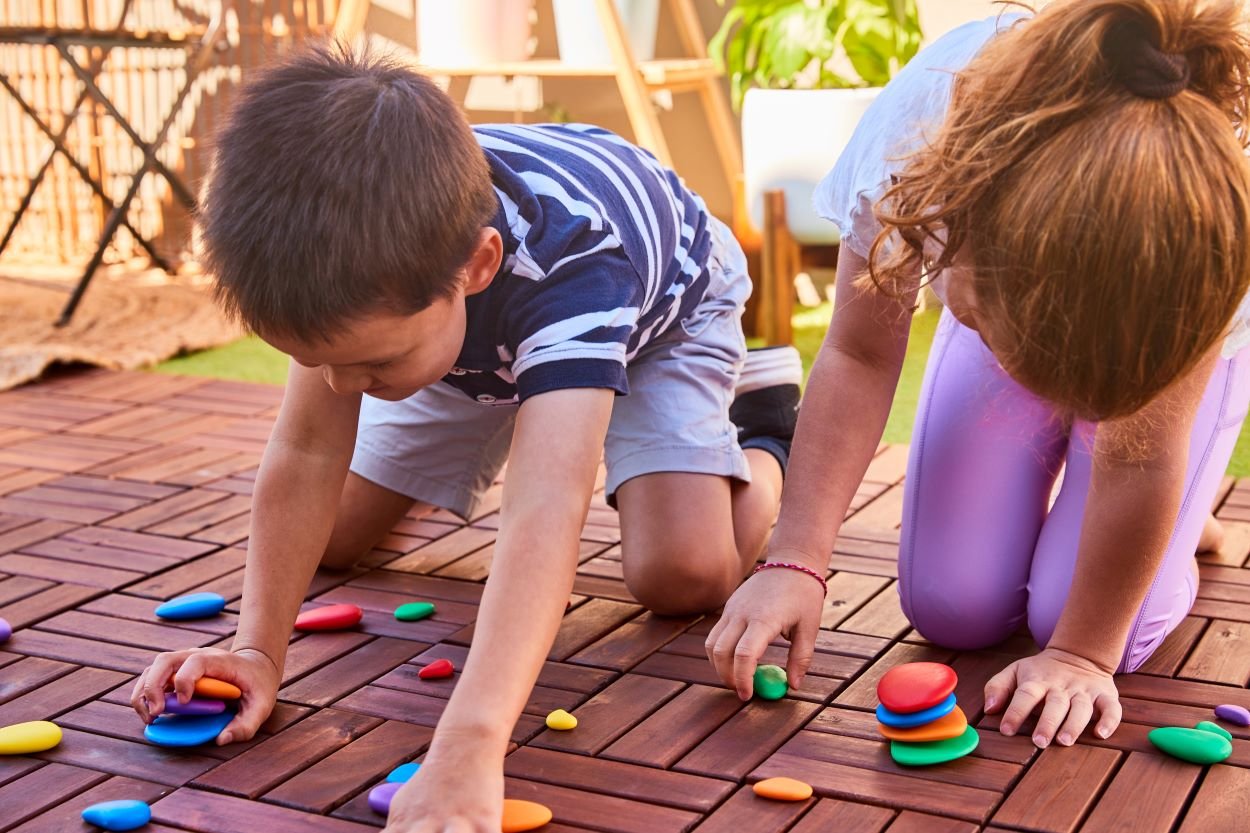
Toys help children think and learn. Puzzles and building blocks improve problem-solving skills. Playing with shapes and colors teaches kids about patterns and sorting. These activities build memory and attention. Toys encourage kids to ask questions and find answers.
Social And Emotional Growth
Toys help children express their feelings. Playing with dolls or action figures allows kids to practice empathy. Group play teaches sharing and cooperation. Kids learn to take turns and follow rules. Toy play creates a safe space to explore emotions and build confidence.
Credit: edxeducation.com
Parental Influence On Toy Choices
Parents play a big role in choosing toys for their children. Their choices shape what kids play with and how they learn. Parents often pick toys based on what they believe is good for growth and fun. Their opinions affect toy popularity and sales too.
Gift Giving Trends
Parents follow trends when buying gifts for kids. Popular toys seen on TV or online catch their attention. Many parents buy toys that match a child’s age and interests. Safety is also a top concern during gift selection.
Encouraging Creative Play
Parents want toys that help kids think and create. Building sets, art supplies, and puzzles are favorites. These toys help children use imagination and solve problems. Parents often avoid toys that only entertain without learning benefits.
Toys In Educational Settings
Toys have an important place in schools and learning centers. They help children learn new skills and ideas. Toys in educational settings make lessons fun and clear. Kids enjoy playing with toys as they learn.
Teachers use toys to teach math, science, language, and social skills. Toys help children understand difficult topics by making them simple. Play helps children remember what they learn better.
Learning Through Play
Play is a natural way for children to learn. Toys allow kids to explore and practice new skills. Children learn problem-solving by using toys in different ways. Play helps develop creativity and imagination. Social skills grow as children play together with toys.
Role Of Educational Toys
Educational toys focus on specific learning goals. They teach shapes, colors, numbers, and letters. Some toys help build fine motor skills and hand-eye coordination. Others encourage logical thinking and memory. Educational toys make learning active and hands-on.
Future Of Toy Play
Toys have always shaped how children learn and play. The future of toy play is full of new ideas and changes. Technology is blending with traditional toys to create fresh experiences. Kids can enjoy both fun and learning in new ways.
As play changes, toys will keep helping kids grow skills and creativity. Parents and educators will find new ways to balance fun and learning. The future of toy play is bright and full of promise.
Emerging Toy Technologies
New technology is making toys smarter and more interactive. Toys now include sensors, lights, and sounds that respond to kids’ actions. Some toys use augmented reality to mix real and digital play. These toys help kids learn by doing and exploring.
Robots and coding toys teach problem-solving and logic. These toys prepare children for future jobs and skills. Technology in toys encourages curiosity and imagination in fun ways.
Balancing Screen Time And Physical Play
Screen time is a big part of many kids’ lives today. It is important to balance screen time with active, physical play. Physical toys help develop motor skills and social interaction. Outdoor and hands-on play keep kids healthy and happy.
Parents can set limits on screen use and encourage toy play. Mixing screen and physical play offers the best of both worlds. Toys that combine digital and physical elements support balanced playtime.

Credit: www.reddit.com
Frequently Asked Questions
Do Kids Still Enjoy Playing With Traditional Toys?
Yes, many kids still enjoy traditional toys. These toys encourage creativity and imagination. They offer hands-on learning and social interaction. Despite digital distractions, physical toys remain popular for childhood development.
How Do Toys Benefit Children’s Growth Today?
Toys support cognitive, emotional, and physical growth. They enhance problem-solving and motor skills. Toys also improve social skills through cooperative play. Modern toys blend education with fun, making learning engaging.
Are Digital Toys Replacing Physical Toys For Kids?
Digital toys complement but don’t replace physical toys. Both types offer unique benefits. Physical toys promote tactile learning, while digital toys boost tech skills. A balanced mix enriches children’s play experience.
What Types Of Toys Are Popular With Kids Now?
Interactive, educational, and STEM toys are popular. Classic toys like building blocks remain favorites. Digital gadgets and app-based toys also attract kids. Parents choose toys that combine fun with learning.
Conclusion
Kids still enjoy playing with toys every day. Toys help children learn and grow. They use toys to imagine and create stories. Even with screens around, toys stay important. Playing with toys builds skills and brings joy. Parents and teachers see how toys help kids.
The simple fun of toys never really ends. Toys remain a key part of childhood today.
