

Are your kids’ toys taking over every corner of your home? You’re not alone.
When toys pile up, it can feel overwhelming and stressful. But imagine a space where every toy has its place, and clutter no longer controls your day. You can create that calm, organized environment—and it’s easier than you think. Keep reading to discover simple, effective ways to declutter your kids’ toys, so you can enjoy a tidier home and more peaceful moments with your family.
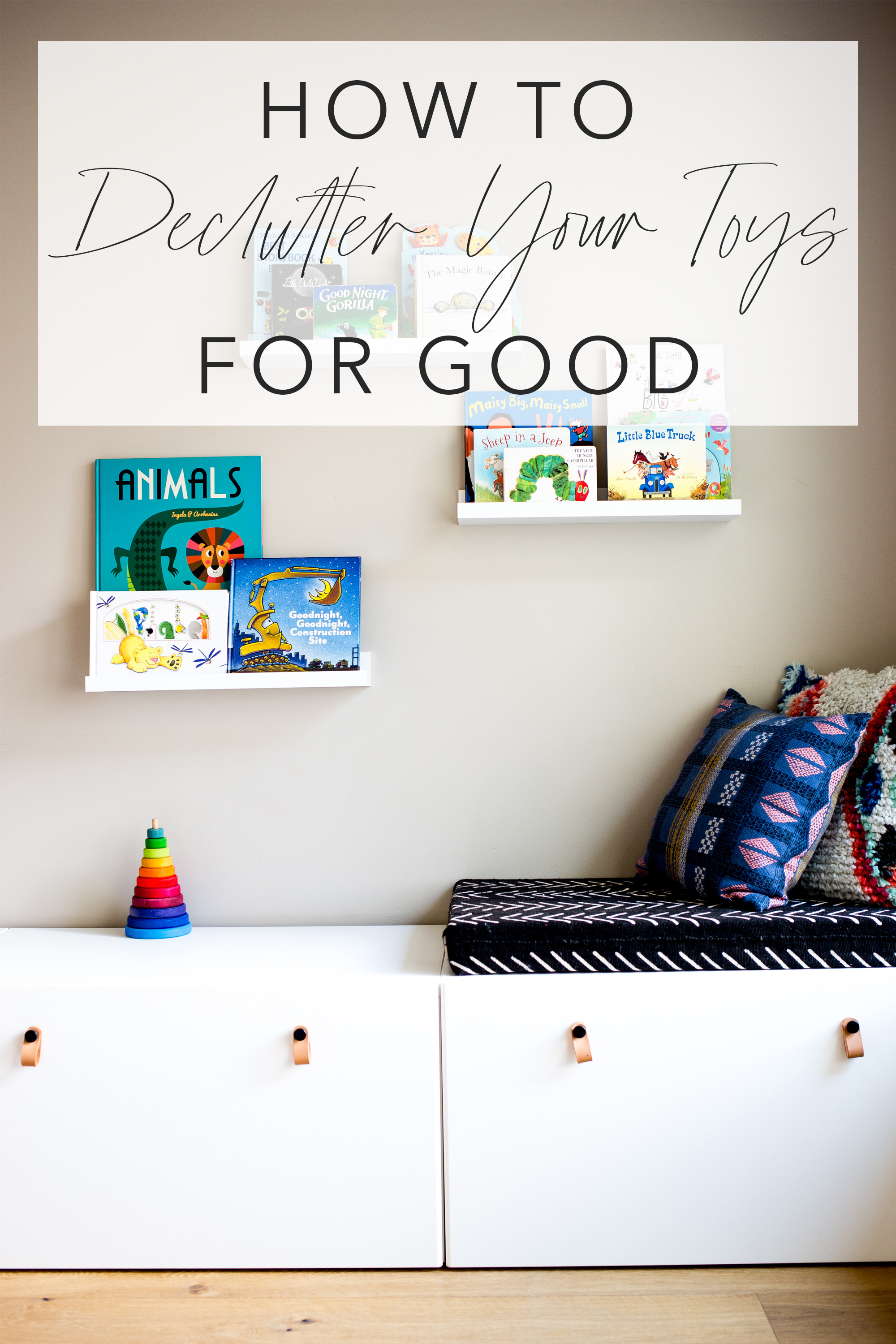
Credit: modernminimalism.com
Benefits Of Decluttering Toys
Decluttering kids’ toys brings many benefits to both children and parents. It helps create a calm and organized space. Kids enjoy their playtime more with fewer distractions. Parents find it easier to manage the home and keep it tidy. Simple steps to reduce toy clutter make a big difference in daily life.
Creating More Play Space
Removing extra toys frees up room for children to move and play. More space allows for bigger, more creative play activities. It makes the play area less crowded and safer. Kids can easily find their favorite toys without digging through piles. A neat space invites kids to spend more time playing happily.
Reducing Stress And Overwhelm
Too many toys can make kids feel overwhelmed and stressed. A cluttered room can cause frustration during playtime. Fewer toys help kids focus and enjoy each item more. Parents feel less stressed with a cleaner, more organized home. Decluttering lowers tension and creates a peaceful environment for everyone.
Encouraging Mindful Play
With fewer toys, kids learn to use their imagination better. They pay more attention to how they play and what they enjoy. Mindful play helps children develop creativity and problem-solving skills. It teaches kids to value their toys and take care of them. This focused play supports healthy growth and learning every day.
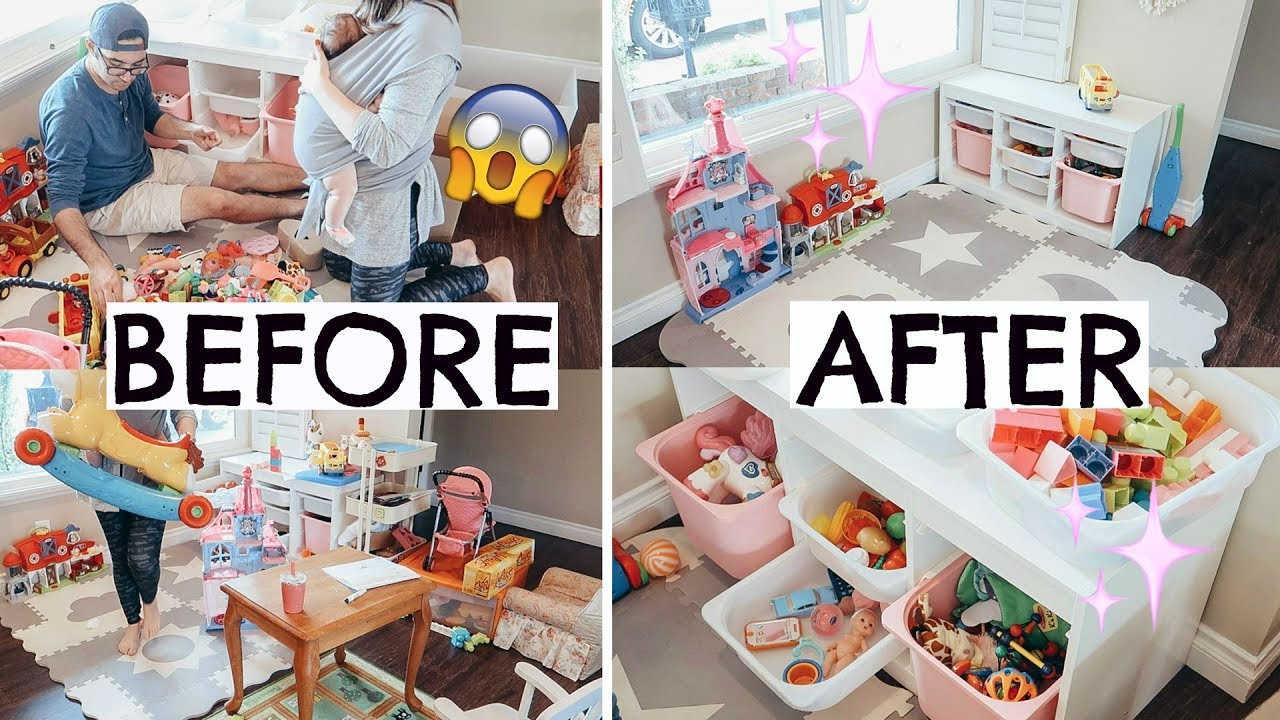
Credit: www.lallardentariel.com
Preparing For The Declutter
Preparing to declutter kids’ toys helps make the process smooth and stress-free. It sets the stage for a successful clean-up. Planning ahead saves time and reduces frustration.
Getting ready also helps kids understand what is happening. It creates a positive mindset for sorting and organizing. Here are some steps to prepare well.
Gathering Supplies
Start by collecting boxes or bins. Label them as Keep, Donate, and Trash. Have trash bags ready for broken toys. Prepare cleaning wipes or cloths for dusty items. Clear space to sort toys comfortably.
Setting Realistic Goals
Decide how much time to spend on decluttering. Set small goals like sorting one toy box per day. Avoid trying to finish all at once. Small steps prevent feeling overwhelmed. Celebrate small wins to stay motivated.
Involving Your Kids
Invite kids to join the process. Explain why decluttering is helpful. Let them choose toys to keep or donate. Make it fun by turning it into a game. This teaches responsibility and respect for belongings.
Sorting Toys Effectively
Sorting toys effectively is the key to a tidy playroom. It saves time and helps kids find their favorite toys quickly. The process can be simple with the right approach. Start by dividing toys into clear groups. Then decide which toys stay, and which go. This method makes decluttering easier and less stressful.
Categories To Use
Begin by sorting toys into categories. Use simple groups like dolls, cars, puzzles, and art supplies. Another way is by size or how often kids play with them. Grouping toys helps spot duplicates and unused items. Clear categories make putting toys away faster.
Deciding What To Keep
Keep toys that are favorite or used often. Choose toys that fit your child’s current age. Toys in good shape should stay. Sentimental items can stay but limit their number. Keep only what makes your child happy or helps learning.
Choosing What To Donate Or Toss
Toys that are broken or missing parts should go. Also, donate toys that your child no longer enjoys. Check if toys are clean and safe before donating. Toss old, worn-out toys that cannot be fixed. Clearing these items frees space for new fun.

Credit: bloomsburymill.com
Storage Solutions That Work
Finding the right storage solutions makes decluttering kids’ toys easier. Organized spaces help children find toys fast. It also teaches them to put things away. Smart storage keeps rooms tidy and fun.
Choose storage that fits your space and your child’s needs. Clear bins, labels, and zones work well. These ideas save time and reduce mess daily.
Using Bins And Containers
Bins and containers keep toys together. Use different sizes for various toys. Clear bins show what’s inside. Stackable containers save space. Easy to move and clean up.
Labeling For Easy Access
Labels help kids find toys quickly. Use simple words or pictures for labels. Stick labels on bins or shelves. This guides children to return toys properly. Makes cleanup faster and less stressful.
Creating Zones For Different Toys
Set up zones for each toy type. For example, one area for blocks, another for dolls. Zones keep toys from mixing up. Helps kids know where each toy belongs. Makes playtime and cleanup easier.
Maintaining A Tidy Toy Area
Keeping a toy area neat helps children find their favorite toys fast. It also creates a calm space to play in. A tidy space stops toys from getting lost or broken. Teaching kids to care for their toys builds good habits early. Simple steps keep the playroom organized every day. Consistency is key to maintaining order in the toy area.
Daily Cleanup Habits
Set a time each day to tidy toys. Make it a fun routine, like a game or song. Encourage kids to put toys back after use. Use bins and shelves to sort toys quickly. Small daily efforts stop mess from building up. A quick cleanup keeps the area ready for play.
Regular Toy Reviews
Check toys regularly for condition and interest. Remove broken or unused toys to reduce clutter. Donate toys that kids no longer play with. Rotate toys to keep playtime fresh and exciting. Regular reviews prevent the toy area from becoming crowded. Keep only the toys that bring joy and use.
Teaching Kids Organization Skills
Show children how to sort and store toys. Use labels or pictures to help them identify places. Praise kids when they put toys away properly. Teach the habit of cleaning up after playtime. Make organizing part of their daily routine. These skills help kids take responsibility for their space.
Dealing With Sentimental Toys
Sentimental toys hold special value for children and parents. These toys remind us of happy moments and milestones. Letting go of them can feel hard. You want to keep memories, not clutter. Organizing these toys needs care and clear plans. This helps keep the space neat and the memories alive.
Setting Limits
Decide how many sentimental toys to keep. Set a clear number or box size. This stops the collection from growing too large. Explain to your child why limits help. It teaches them to value what they keep. Limits make sorting easier and less stressful.
Finding Special Storage
Choose a special place for these toys. Use a decorated box or a small shelf. This keeps them safe and easy to find. Label the storage to remind your child of its purpose. Special storage shows these toys are important. It keeps memories neat and protected.
Balancing Sentiment And Space
Keep only toys with the strongest memories. Take photos of toys that are hard to keep. This way, memories stay without taking space. Rotate toys in and out of storage. Let your child help choose what stays. Balancing space and feelings keeps home tidy and happy.
Frequently Asked Questions
How Often Should I Declutter Kids Toys?
Declutter kids toys every 3 to 6 months. Regular sorting prevents clutter buildup. It also helps identify toys that are broken or unused. This keeps play areas tidy and safe.
What Is The Best Method To Sort Kids Toys?
Sort toys into categories: keep, donate, and discard. Involve your child to teach organization. Use clear bins or labels for easy identification. This method simplifies decision-making and maintains order.
How Can I Involve Kids In Decluttering Toys?
Make decluttering a fun activity with your kids. Use games or challenges to motivate them. Praise their choices to boost confidence. This encourages responsibility and keeps their space organized.
Where Should I Donate Old Kids Toys?
Donate old kids toys to local shelters, schools, or charities. Ensure toys are clean and in good condition. Donating helps children in need and reduces waste. Always check donation guidelines before giving.
Conclusion
Decluttering kids’ toys brings calm and order to your home. It helps children find their favorite toys quickly. Sorting toys by type or size makes cleanup simple. Giving away unused toys teaches sharing and kindness. Keeping only loved toys saves space and reduces mess.
Regular tidying keeps the play area neat and safe. Small steps lead to big changes over time. Enjoy the extra space and peace you create today.
