

You want your kids to play safely, but their toys can hide lots of germs. How often do you stop to think about cleaning those toys?
If you’re like most parents, it’s easy to overlook this important step. But what if you could keep your child healthy and worry less about illnesses spreading at home? You’ll discover simple, effective ways to sanitize your kids’ toys quickly and safely.
Keep reading to learn how a few easy habits can make a big difference in protecting your family’s health.

Credit: www.vtechtoysblog.com
Why Sanitize Kids Toys
Toys are a big part of a child’s daily life. They touch, chew, and share these toys with friends. This makes toys a perfect place for germs to live and spread. Cleaning toys helps keep children safe and healthy.
Sanitizing toys removes harmful germs and bacteria. It lowers the chance of sickness in kids. Regular cleaning also helps parents feel more confident about their child’s play area.
Common Germs On Toys
Toys can carry many germs. These include bacteria like E. coli and Salmonella. Viruses such as the flu and cold viruses can also be present. Germs spread easily through saliva, dirt, and handling.
Soft toys, plastic toys, and electronic toys all can have germs. Germs can live for hours or days on these surfaces. Children touching their face or mouth pick up these germs quickly.
Health Risks For Children
Children have weaker immune systems than adults. Germs on toys can cause infections and illnesses. Common problems include stomach bugs, colds, and skin infections.
Sick children miss school and fun activities. Some infections can lead to more serious health issues. Keeping toys clean helps protect children from these risks.

Credit: www.youtube.com
Safe Cleaning Methods
Keeping kids’ toys clean is important for their health. Safe cleaning methods remove germs without harming children or toys. Use gentle but effective ways to clean toys regularly. This helps stop the spread of germs and keeps playtime safe.
Soap And Water
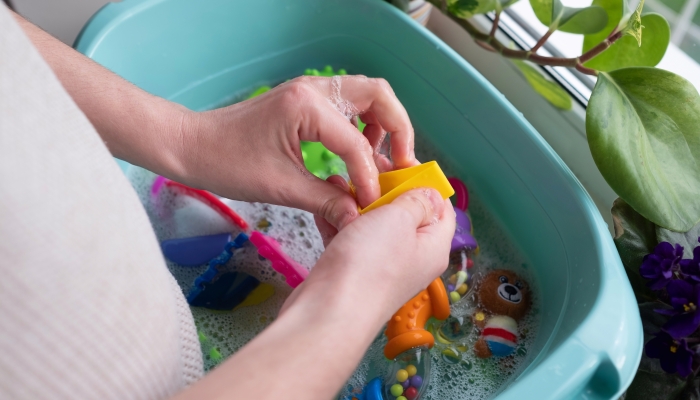
Soap and water are the easiest way to clean most toys. Use warm water and mild soap. Scrub toys gently with a soft cloth or sponge. Rinse well to remove all soap. Dry toys completely before giving them back to children. This method works well for plastic and rubber toys.
Vinegar Solution
A vinegar solution is a natural cleaner and disinfectant. Mix equal parts of white vinegar and water in a spray bottle. Spray the solution on the toy surface and wipe with a clean cloth. Let toys air dry. Avoid using vinegar on soft or porous toys. This solution kills many germs safely.
Disinfecting Wipes
Disinfecting wipes are quick and handy for cleaning toys. Choose wipes that are safe for children’s items. Wipe all surfaces of the toy thoroughly. Allow toys to air dry after wiping. Avoid wipes with strong chemicals or scents. Use this method for quick cleaning of small toys and electronics.
Sanitizing Different Toy Types
Sanitizing kids’ toys keeps children safe from germs and illness. Different toys need different cleaning methods. Some toys can be washed with water, while others need gentle care. Knowing how to clean each type helps maintain hygiene without damage.
Plastic Toys
Plastic toys are easy to clean. Use warm, soapy water and a cloth or sponge. Rinse well and dry completely. For extra sanitizing, wipe with a solution of water and white vinegar. Avoid harsh chemicals that might harm the plastic or child.
Stuffed Animals
Stuffed animals can trap dust and germs. Check the label for washing instructions. Most can be machine washed on a gentle cycle. Use mild detergent and cold water. Air dry or use a low heat setting in the dryer. For delicate toys, spot clean with a damp cloth and mild soap.
Electronic Toys
Electronic toys need careful cleaning to avoid damage. Turn off and remove batteries before cleaning. Use a soft, damp cloth with mild soap to wipe surfaces. Avoid soaking or using too much water. Dry thoroughly before use. Use disinfectant wipes safe for electronics to kill germs quickly.
Frequency Of Cleaning
Keeping kids’ toys clean is important for their health. Germs spread quickly through toys. Regular cleaning helps stop sickness. Knowing how often to clean makes the job easier. Some toys need daily care. Others need deeper cleaning less often. Follow these tips to keep toys safe and fresh.
Daily Cleaning Tips
Wipe toys with a damp cloth every day. Focus on toys your child uses the most. Use mild soap and water for sticky spots. Avoid harsh chemicals that can harm kids. Let toys dry completely before giving them back. Clean stuffed animals by brushing or spot washing. Small plastic toys can be rinsed quickly. This routine reduces germs and dirt buildup.
Deep Cleaning Schedule
Set a weekly or biweekly time for deep cleaning. Wash plastic toys with warm soapy water or in the dishwasher. Sanitize wooden toys with a vinegar and water mix. Machine wash soft toys and blankets regularly. Check for damage before and after cleaning. Dry toys thoroughly to prevent mold and bacteria. Deep cleaning removes hidden germs and keeps toys safe.
Preventing Germ Spread
Preventing the spread of germs through kids’ toys is very important. Toys can carry bacteria and viruses that cause sickness. Regular cleaning helps keep children safe and healthy. Teaching good habits makes a big difference in stopping germs.
Hand Hygiene For Kids
Clean hands reduce the risk of spreading germs. Teach children to wash hands before and after playing. Use soap and water for at least 20 seconds. Hand sanitizer can be used if soap is not available. Make handwashing fun with songs or timers. Clean hands protect both kids and their toys.
Toy Storage Ideas
Proper toy storage helps keep toys clean. Use bins or baskets with lids to protect toys from dust. Store toys in a dry place to prevent mold growth. Sort toys by type for easier cleaning. Encourage children to put toys away after use. Organized storage limits germs and clutter in play areas.
Credit: www.esquim.com
Frequently Asked Questions
How Often Should I Sanitize Kids’ Toys?
Sanitize kids’ toys at least once a week. Increase frequency during illness outbreaks or cold seasons. Regular cleaning prevents germs and keeps children safe from infections.
What Household Items Are Safe For Toy Sanitizing?
Use mild soap, warm water, and white vinegar. Avoid harsh chemicals that can harm children. These items effectively kill germs and are safe for most toy materials.
Can I Use Disinfectant Wipes On Kids’ Toys?
Yes, disinfectant wipes are convenient and effective for hard toys. Ensure the wipes are child-safe and let toys air dry before use. Avoid wipes on fabric or electronic toys.
How To Sanitize Soft Or Plush Toys Safely?
Wash plush toys in hot water with mild detergent. Use a gentle cycle and dry thoroughly. For delicate toys, spot clean with a disinfectant spray safe for fabrics.
Conclusion
Sanitizing kids’ toys keeps them safe and clean. Regular cleaning stops germs from spreading. Use gentle soap or wipes made for children’s items. Always check toy labels for safe cleaning methods. Dry toys well to avoid mold or damage. Clean toys often, especially after playdates or illness.
Healthy habits start with a clean play space. Keep your child’s toys fresh to protect their health. Simple steps make a big difference every day.
