

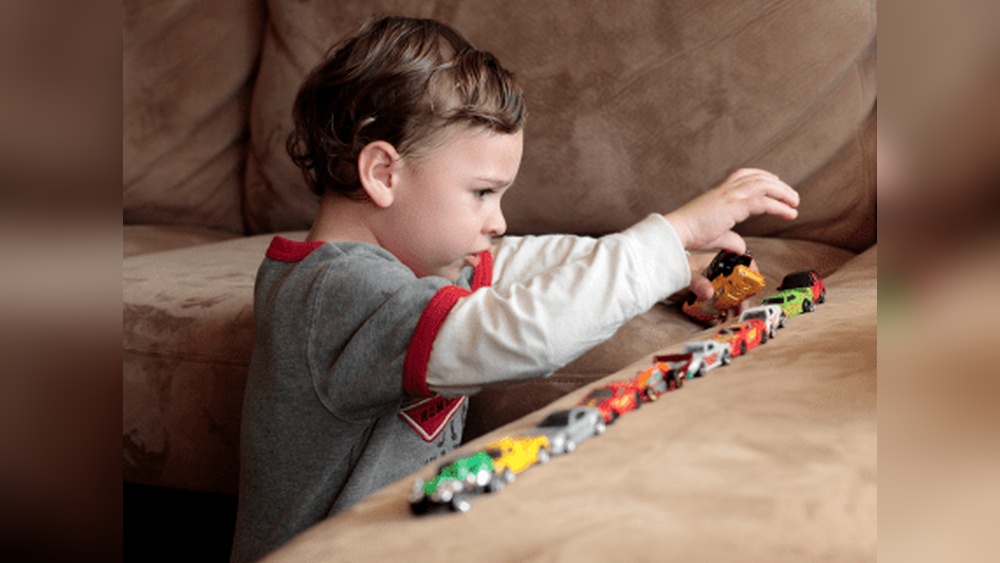
Have you ever noticed your child carefully lining up their toys, one after another? It might seem like a simple habit, but there’s more to this behavior than meets the eye.
Understanding why kids line up toys can help you connect better with your child and support their growth in surprising ways. Keep reading, and you’ll discover what this little act really means—and why it matters to your child’s development.
Credit: kdfoundation.org
Common Patterns In Toy Lining
Kids often line up their toys in clear and repeated ways. This behavior shows their love for order and patterns. Observing these patterns helps understand how children think and play. The way kids arrange their toys can tell us about their focus and creativity.
Types Of Toys Often Lined Up
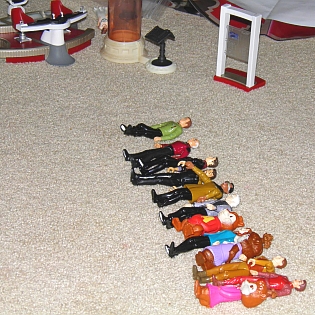
Small toys are popular for lining up. Cars, action figures, and blocks often appear in rows. Stuffed animals also make common lines. Kids like toys they can hold and move easily. These toys fit well in long, straight lines.
Typical Arrangements Kids Choose
Lines are the most common arrangement. Kids often place toys from smallest to biggest. Sometimes, toys are lined by color or type. Some children create shapes or patterns with their toys. These arrangements show their ability to organize and plan.

Credit: eagleswill.com
Emotional Comfort And Control
Children often line up their toys to feel safe and calm. This behavior helps them manage feelings and take control of their small world. Arranging toys in rows gives kids a clear structure. It makes their space feel less chaotic. This order brings comfort and reduces stress.
Creating A Sense Of Order
Lining up toys creates clear patterns. Kids enjoy seeing things in neat rows. It helps them understand their environment better. This order makes their world predictable. Predictability lowers fear and confusion. Toys arranged neatly give kids a stable feeling.
Managing Anxiety Through Organization
Organizing toys helps kids handle nervousness. When feelings are strong, lining up toys calms the mind. It acts like a simple routine. This routine offers control over emotions. Kids feel stronger and less overwhelmed. The act of lining up toys is a quiet way to manage anxiety.
Cognitive Development Benefits
Children lining up toys is more than just play. It supports important brain skills. This habit helps children grow their thinking and learning abilities. They develop focus, memory, and problem-solving skills. These benefits build a strong base for future learning.
Enhancing Focus And Attention
Lining up toys requires kids to pay close attention. They must focus on each toy’s size, color, or shape. This task trains their brain to stay on one activity longer. It helps improve concentration in school and daily tasks. Practicing focus with toys prepares children for complex learning.
Learning About Sequencing And Patterns
Arranging toys in order teaches sequencing skills. Kids learn to place items in a specific order. This helps them understand patterns and predict what comes next. Recognizing sequences is key for reading and math skills. Playing with patterns also encourages logical thinking and memory.

Credit: kdfoundation.org
Social And Communication Factors
Kids line up toys for many social and communication reasons. This behavior helps them share feelings without words. It also supports how they connect with others. Understanding these factors reveals why lining up toys matters.
Expressing Feelings Nonverbally
Children often use toys to show their feelings. Lining up toys can express order and calmness. It helps them feel safe and in control. Sometimes, kids use this to show excitement or worry. These actions speak without needing words. This way, kids communicate their emotions clearly.
Interaction With Peers Through Toys
Lining up toys creates chances for kids to connect. They learn to share space and take turns. This activity can start simple conversations. Kids notice others’ patterns and may copy them. It builds social skills and understanding. Toys become a bridge for friendship and play.
Connections To Autism And Other Conditions
Many children line up toys as part of their play. This behavior often links to autism and other conditions. It can help children feel calm and organized. For some, lining up toys is a way to control their surroundings. This act might show how their brain processes information differently.
Parents and caregivers may notice this behavior more in neurodiverse kids. These children might enjoy patterns and repetition. Lining up toys gives them comfort and focus. It can also be a way to explore and learn about order.
Repetitive Behaviors In Neurodiverse Kids
Repetitive behaviors are common in children with autism. These actions include lining up toys, rocking, or repeating words. These behaviors help children manage their feelings. They can reduce stress and create a sense of safety.
Repetitive play also supports learning. It teaches cause and effect, and fine motor skills. Kids may feel joy in completing a pattern or sequence. Understanding this helps caregivers respond with patience and support.
When To Seek Professional Guidance
Some repetitive behaviors may need professional attention. If toy lining stops social interaction, it may be a concern. Also, if the child shows distress when interrupted, talk to a specialist. Early support can improve communication and social skills.
Professionals can offer strategies to help children balance play and social time. They can guide parents on how to support their child’s needs. Seeking help early can make a big difference in a child’s life.
Encouraging Positive Play Habits
Encouraging positive play habits helps children grow mentally and emotionally. It builds focus, patience, and problem-solving skills. Kids who line up toys often enjoy creating order and patterns. This habit can be a way to learn and express themselves.
Parents and caregivers can support these play habits. Offering the right balance of freedom and rules helps kids explore safely. Positive play habits make playtime more meaningful and fun.
Supporting Creativity Within Structure
Children need both freedom and limits to develop creativity. Lining up toys shows their love for order and design. You can encourage this by providing different toys and spaces. Let kids decide how to arrange items. This helps them think and create in new ways.
Giving simple guidelines keeps playtime safe and focused. For example, ask kids to clean up by sorting toys by color or size. This supports their creativity inside a clear structure.
Balancing Freedom And Routine
Routines help children feel safe and confident. At the same time, freedom lets them explore and learn. Let kids choose when and how to line up toys. Offer regular times for free play and tidy-up play. This balance teaches responsibility and independence.
Encourage kids to try new ways to play with toys. Praise their efforts and ideas. This balance between freedom and routine builds strong, positive play habits.
Frequently Asked Questions
Why Do Kids Line Up Toys Repeatedly?
Kids line up toys to create order and control their environment. It helps them develop focus, organization, and problem-solving skills while expressing creativity and understanding patterns.
Is Lining Up Toys A Sign Of Development?
Yes, lining up toys is a normal developmental behavior. It shows growing cognitive skills, spatial awareness, and early math concepts like sequencing and categorization.
Can Lining Up Toys Indicate Special Needs?
Sometimes, yes. Repetitive lining up can be a sign of autism or sensory processing issues. However, it’s usually a typical play behavior unless accompanied by other concerns.
How Does Lining Up Toys Benefit Children?
Lining up toys improves concentration, fine motor skills, and patience. It also fosters creativity and helps kids understand order and patterns in their surroundings.
Conclusion
Kids line up toys to explore order and control in their world. This simple act helps them learn patterns and practice focus. Lining up toys also shows how children express feelings and creativity. Parents can support this habit by watching and joining playtime.
Understanding why kids line up toys helps adults connect with them better. It reveals how play teaches important skills every child needs. Watching these moments gives a glimpse into a child’s growing mind. Small actions, big meanings.
