

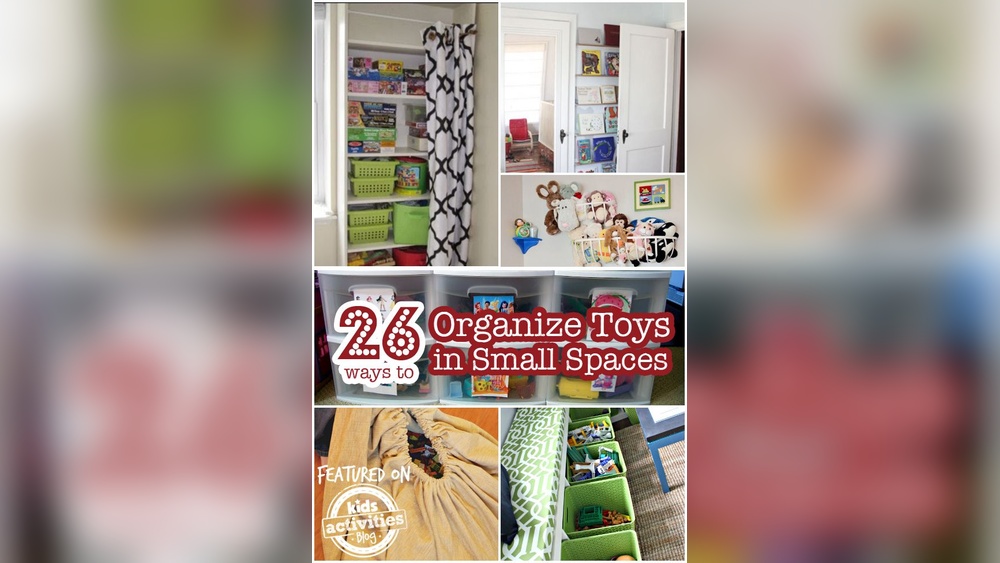
Are your kids’ toys taking over every corner of your small space? You’re not alone.
Finding smart ways to organize toys without cluttering your home can feel like a constant battle. But what if you could create a neat, tidy area where your kids can easily find their favorite toys—and you can finally enjoy a clutter-free room?
You’ll discover simple, effective tips to organize toys in even the tiniest spaces. Keep reading, and turn chaos into calm with easy solutions that work for your family.

Credit: www.totalplumbingfl.com
Assessing Toy Collection
Organizing kids’ toys in a small space starts with a clear look at the toy collection. This step helps to understand what you have and what needs the most attention. Sorting toys makes the next steps easier and faster. It also helps to find the best storage solution for each toy.
Assessing the toy collection reduces clutter and keeps the space tidy. It saves time searching for toys and makes clean-up easier. Getting this part right sets the stage for a neat and organized play area.
Sorting By Type And Size
Group toys by type first. Put all blocks, dolls, cars, or puzzles in separate piles. This helps to see how many toys of each kind there are. Sorting by size next makes storage easier. Small toys can go in small containers, while big toys need larger spaces. This method saves space and keeps toys easy to find.
Identifying Keepers And Donors
Decide which toys to keep and which to donate. Keep toys your child plays with often. Toys that are broken or unused can be given away. This reduces clutter and frees up space. Donating toys teaches children about sharing and caring. It also makes room for new toys and activities.
Credit: www.totalplumbingfl.com
Maximizing Storage Options
Maximizing storage options is key to organizing kids’ toys in small spaces. Smart use of every inch helps keep rooms neat and toys easy to find. Efficient storage saves time and reduces clutter. Thoughtful choices make small areas feel larger and more functional.
Using Vertical Space
Vertical space is often overlooked but very useful. Shelves on walls hold books, toys, and bins. Hooks can hang bags or dress-up clothes. Tall storage units fit more items without taking floor space. Use stackable bins to keep toys sorted and visible. This method frees up play areas and keeps toys off the floor.
Choosing Multi-functional Furniture
Multi-functional furniture offers storage and use in one piece. Beds with drawers store toys or clothes underneath. Ottomans can hide small toys inside and provide seating. Tables with shelves or compartments keep art supplies handy. These pieces reduce the number of separate storage units needed. They help maintain a tidy room and give kids easy access to their toys.
Creative Storage Solutions
Creative storage solutions help keep kids’ toys neat in small spaces. They make tidying up easy and fun. These ideas use every inch wisely. Kids learn to put away toys without mess.
Clear Bins And Labels
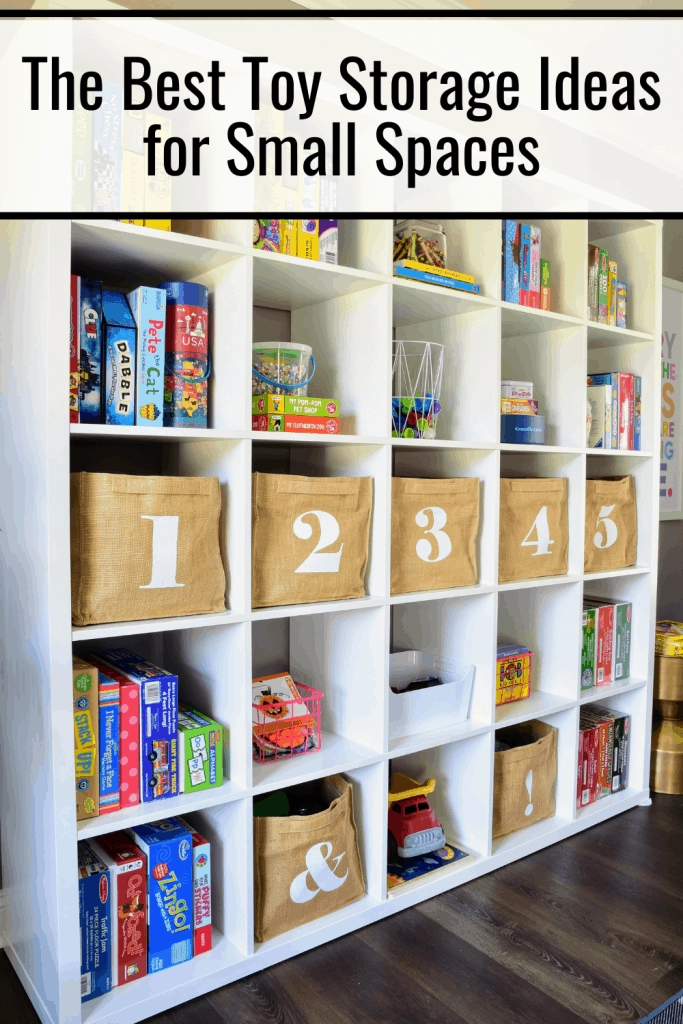
Clear bins show what is inside. Kids find toys quickly without opening every box. Labels help children know where each toy belongs. Use simple words or pictures on labels. Stack bins to save floor space. This method keeps toys visible and organized.
Hanging Organizers
Hanging organizers use vertical space on walls or doors. They hold small toys, art supplies, or stuffed animals. Mesh pockets make it easy to see contents. Hang organizers at child’s height for easy access. This saves floor space and keeps toys off counters and tables.
Under-bed Storage
Under-bed storage uses space often left empty. Flat bins or drawers fit under the bed. Store puzzles, cars, or building blocks here. This keeps toys out of sight but easy to reach. Wheels on bins make pulling them out simple and quick.
Establishing Toy Zones
Organizing kids’ toys in a small space can feel like a big challenge. Establishing toy zones helps create order and makes playtime easier. It sets clear spots for different kinds of toys and activities. This way, kids know where to play and where to put toys away.
Creating toy zones also saves space. It keeps toys from spreading all over the room. Kids learn to enjoy their space more when it is neat and tidy. Parents find less mess and more peace of mind.
Designating Play Areas
Choose specific spots for different types of play. For example, one corner for building blocks and another for art supplies. Use rugs or small furniture to mark these areas. Clear boundaries help kids focus on one activity at a time. This method also prevents toys from mixing and cluttering the whole room.
Label these zones with pictures or words. This helps younger kids understand the system. Make sure the areas are easy to reach and safe. Rotate toys in each zone to keep kids interested. Changing toys keeps the play area fresh without adding clutter.
Creating Cleanup Habits
Teach kids to clean up after each play session. Make cleanup simple with bins or baskets in each zone. Use clear containers so kids see what belongs inside. Turn cleanup into a fun game or race. Praise kids for putting toys back correctly.
Set a regular time for cleanup, like before meals or bedtime. Consistent routines build good habits fast. Keep instructions short and clear. Help younger kids by showing them how to sort toys. Over time, kids will clean up without reminders.
Involving Kids In Organization
Getting kids involved in organizing their toys helps them learn responsibility. It also makes tidying up less of a chore. Children feel proud when they help keep their space neat. This approach builds good habits early on. It turns cleaning into a positive activity.
Teaching Sorting Skills
Start by showing kids how to sort toys by type or size. Use simple categories like blocks, cars, or dolls. Sorting helps children understand order and grouping. It also makes finding toys easier later. Use colorful bins or boxes labeled with pictures. Kids learn to match toys to the correct spot. Praise their efforts to encourage success.
Making Cleanup Fun
Turn cleanup time into a game to keep kids interested. Set a timer and challenge them to beat the clock. Play music and dance while putting toys away. Give small rewards or stickers for a job well done. Use bright containers and fun labels to attract attention. Making cleanup playful helps kids enjoy organizing. It creates a habit they will want to repeat.

Credit: www.thekimsixfix.com
Maintaining Organized Spaces
Keeping kids’ toys organized takes ongoing effort. Small spaces need smart habits to stay neat. Regular care helps maintain order and saves time. It also teaches kids to value their belongings.
Simple routines and flexible storage keep the play area tidy. These habits grow with your children. They make clean-up easy and stress-free for everyone.
Regular Decluttering
Set a schedule to sort toys often. Remove broken or unused toys. This frees space and reduces mess. Involve kids by asking what they want to keep. It helps them learn decision-making and responsibility.
Donate or recycle toys that no longer fit their interests. Keep only what is useful and loved. A clutter-free space feels calm and inviting.
Adjusting Storage As Kids Grow
Children’s needs change fast. Adjust toy storage to match their age and interests. Use bins, shelves, or baskets that can change with them. Label containers to help kids find and put away toys.
Keep frequently used toys easy to reach. Store seasonal or rare items higher up. Flexible storage avoids waste and keeps the area neat. This approach supports habits that last a lifetime.
Frequently Asked Questions
How Can I Maximize Small Space For Kids’ Toy Storage?
Use vertical storage like wall shelves and hanging organizers. Opt for stackable bins and multi-functional furniture to save floor space. Declutter regularly to keep only essential toys. Label storage boxes for easy access and maintain tidiness.
What Are The Best Storage Containers For Small Toy Spaces?
Choose clear, stackable plastic bins with lids to save space and see contents easily. Use fabric bins for lightweight toys and baskets for quick cleanup. Opt for containers that fit under beds or inside closets to maximize storage.
How Do I Encourage Kids To Keep Toys Organized?
Create a toy rotation system to reduce clutter and keep toys fresh. Teach kids to put toys back after playtime. Use colorful labels and fun storage solutions to motivate them. Make cleanup a daily routine with rewards or praise.
Can Furniture Help In Organizing Toys In Small Rooms?
Yes, use furniture with built-in storage like ottomans, benches, or beds with drawers. These pieces hide toys and save space. Choose multi-purpose furniture to combine storage and seating or sleeping areas efficiently.
Conclusion
Organizing kids’ toys in small spaces is possible and helpful. Use bins, shelves, and labels to keep things tidy. Sort toys by type or size for easy access. Teach kids to put toys away after playing. This saves time and reduces mess every day.
A neat space helps kids play safely and enjoy more. Small changes make a big difference in your home. Keep it simple, and stay consistent with your system. Your small space can feel calm and organized.
