

Are you looking for a safe and effective way to clean your kid’s toys without harsh chemicals? You might have heard about using baking soda and vinegar as natural cleaners.
But can you really use these common household items to keep your child’s toys clean and germ-free? You’ll discover the truth behind this popular cleaning hack, how it works, and whether it’s the best choice for your family. Keep reading to find out how to make your child’s playtime safer and cleaner with simple ingredients you already have at home.
Why Clean Kid Toys Regularly
Cleaning kid toys regularly is important for many reasons. Kids play with toys every day. Toys touch their hands, faces, and sometimes their mouths. Dirt and germs can build up quickly on toys. This can cause health problems for children. Keeping toys clean helps protect your child’s health and keeps toys safe to use.
Health Risks From Dirty Toys
Toys can carry harmful germs and bacteria. These can cause colds, flu, or stomach bugs. Kids often put toys in their mouths. This spreads germs easily. Dirty toys can also cause skin allergies or infections. Germs hide in cracks and small parts of toys. Cleaning stops germs from spreading and helps keep children healthy.
Benefits Of Regular Cleaning
Cleaning toys often keeps them in good condition longer. It removes dirt, germs, and sticky residue. Clean toys are safer and more fun to play with. Regular cleaning also teaches kids good hygiene habits. Using safe cleaners like baking soda and vinegar can clean toys without harsh chemicals. This protects children from harmful substances and keeps toys fresh and clean.
Credit: www.littlepassports.com
Baking Soda And Vinegar As Cleaners
Baking soda and vinegar are popular natural cleaners. Many people use them to clean various household items. These ingredients work well together to remove dirt and germs. They are gentle and safe for many surfaces, including kid toys. Understanding their cleaning properties helps decide if they are right for toy cleaning.
Natural Cleaning Properties
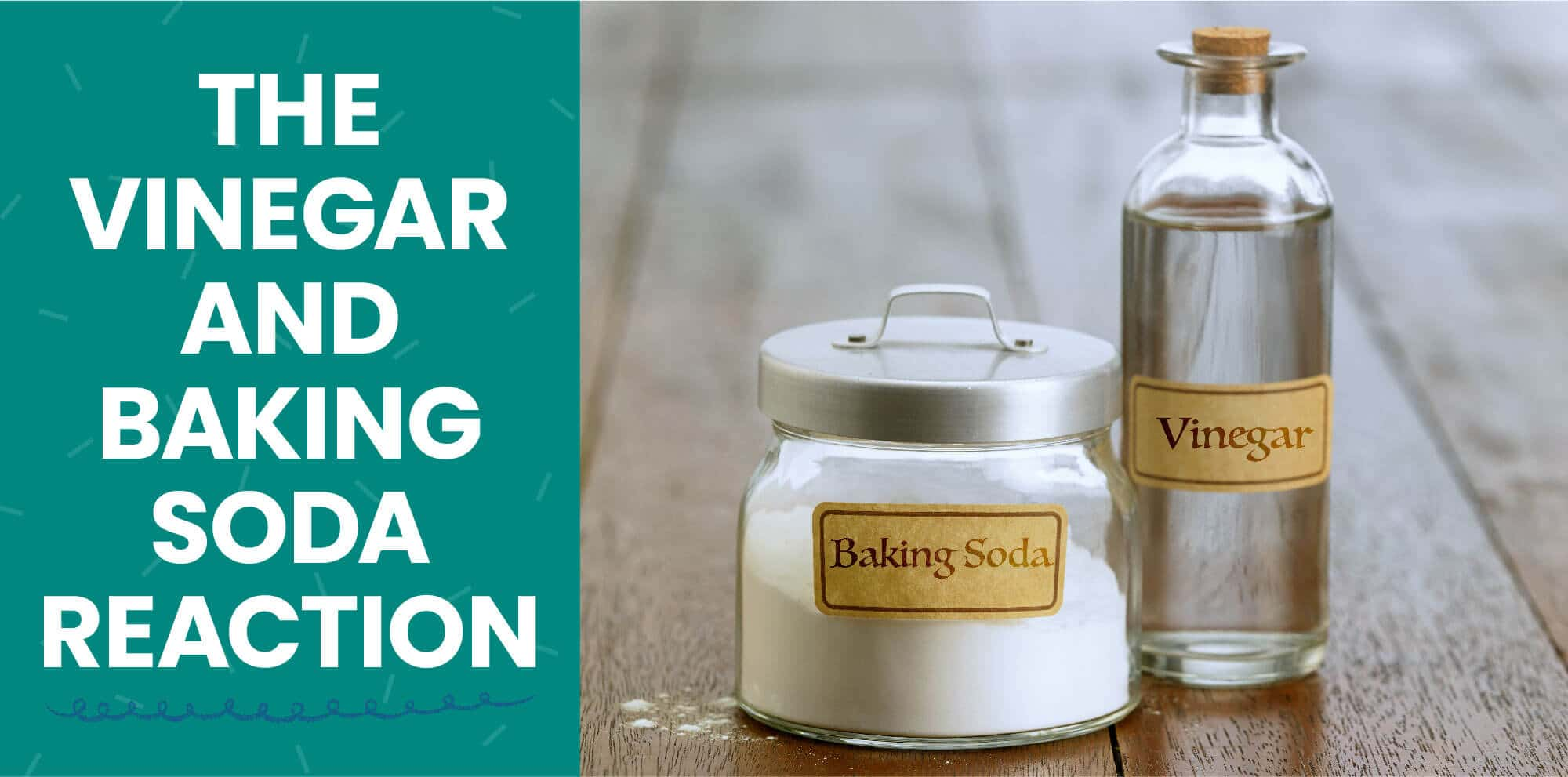
Baking soda is a mild abrasive. It scrubs away grime without scratching surfaces. It also neutralizes odors effectively. Vinegar is acidic and breaks down tough stains. It kills some bacteria and mold. Together, they create a fizzing reaction. This reaction helps lift dirt from surfaces. Both ingredients are non-toxic and safe for children’s items.
Common Household Ingredients
Baking soda and vinegar are easy to find. Most homes already have these ingredients. They are inexpensive compared to chemical cleaners. Mixing them is simple and fast. You can clean plastic, rubber, and wooden toys with them. They do not leave harmful residue behind. Parents prefer these natural options for safety and health reasons.
Safety Of Using Baking Soda And Vinegar On Toys
Cleaning kids’ toys with baking soda and vinegar is a popular choice. These items are natural and easy to find. Parents often ask if this method is safe for their children’s toys. Understanding the safety aspects helps you clean confidently without worry.
Non-toxic And Child-friendly
Baking soda and vinegar are non-toxic substances. They do not contain harsh chemicals that can harm children. These ingredients break down dirt and germs gently. Using them keeps toys free from dangerous residues. This makes them suitable for toys that go in little mouths.
Precautions To Take
Always rinse toys well after cleaning with baking soda and vinegar. Leftover residue can cause skin irritation or a sour smell. Avoid using this method on electronic or battery-powered toys. Test on a small area first to ensure no damage. Store cleaning solutions out of children’s reach. Supervise children during and after toy cleaning to keep them safe.
How To Clean Toys With Baking Soda And Vinegar
Cleaning kids’ toys is important to keep them safe and healthy. Baking soda and vinegar make a natural, gentle cleaning solution. This method is safe for most toys and easy to do at home. Follow these simple steps to clean toys effectively.
Preparing The Cleaning Solution
Start by mixing half a cup of white vinegar with one cup of warm water. Stir the mixture well in a bowl or spray bottle. Add one tablespoon of baking soda slowly to avoid fizzing over. Mix gently until the baking soda dissolves completely. This solution cleans dirt and kills germs without harsh chemicals.
Step-by-step Cleaning Process
Spray or dip a soft cloth into the cleaning solution. Wipe each toy thoroughly, focusing on dirty spots and crevices. For stubborn stains, sprinkle baking soda directly on the toy first, then scrub with the cloth dipped in vinegar solution. Avoid soaking electronic or battery-operated toys. Use a toothbrush for small, hard-to-reach areas.
Rinsing And Drying Toys
Rinse the toys with clean water to remove any residue. Use a clean cloth to wipe the toys dry. Let them air dry completely in a well-ventilated space. Make sure toys are fully dry before giving them back to children to prevent mold or bacteria growth.
Types Of Toys Suitable For This Cleaning Method
Cleaning kids’ toys with baking soda and vinegar works best on certain types of toys. This method is gentle yet effective for many materials. Knowing which toys can be cleaned this way helps keep them safe and lasts longer. Here are the main types of toys that suit this cleaning method.
Plastic And Rubber Toys
Plastic and rubber toys clean well with baking soda and vinegar. These materials handle moisture and mild acids without harm. Use a soft cloth or brush to scrub the surface gently. This mix removes dirt and kills germs. Let the toys air dry completely after cleaning. Avoid soaking toys with stickers or paper parts.
Avoiding Damage To Electronic Toys
Electronic toys need special care. Avoid using baking soda and vinegar directly on these toys. Water and liquids can damage circuits inside. Instead, wipe the surface with a damp cloth and mild soap. Use cotton swabs for small crevices. Always keep moisture away from battery compartments and buttons.

Credit: www.arloren.com
When Not To Use Baking Soda And Vinegar
Baking soda and vinegar are popular for cleaning many surfaces safely. Yet, they are not perfect for every type of toy. Some toys can get damaged or stop working if cleaned with these substances. Knowing when not to use baking soda and vinegar helps protect your child’s favorite playthings.
Delicate Or Porous Materials
Do not use baking soda and vinegar on delicate or porous toys. Materials like soft fabric, wood, or foam absorb liquids easily. Vinegar’s acidity can cause discoloration or weaken the material. Baking soda’s abrasive texture may scratch or wear down soft surfaces. These toys need gentle cleaning methods with mild soap and water.
Toys With Electronic Components
Never clean toys with electronic parts using baking soda or vinegar. Liquids can damage circuits and batteries inside. Even small moisture can cause short circuits or rust. Use a dry cloth or specialized electronic wipes instead. Keep electronic toys away from liquids to keep them working safely.
Alternative Natural Cleaning Options
Natural cleaning options for kids’ toys offer safe and gentle ways to keep playthings fresh. These methods avoid harsh chemicals and reduce allergy risks. They are easy to prepare at home and work well for daily cleaning needs.
Mild Soap And Water
Using mild soap and water is a simple and effective way to clean toys. Mix a small amount of gentle soap with warm water. Use a soft cloth or sponge to wipe toys carefully. Rinse toys with clean water to remove soap residue. Air dry completely before use. This method works well on plastic, rubber, and wooden toys.
Hydrogen Peroxide And Essential Oils
Hydrogen peroxide is a natural disinfectant that kills germs without harsh chemicals. Mix hydrogen peroxide with a few drops of essential oils like lavender or tea tree. These oils add a pleasant scent and extra cleaning power. Spray the mixture on toys and wipe with a clean cloth. Avoid soaking toys to prevent damage. This option is good for toys that can handle moisture well.

Credit: tumama-kids.com
Tips For Maintaining Clean And Safe Toys
Keeping kids’ toys clean and safe is very important. Germs and dirt can build up quickly. This can cause sickness or allergies. Using natural cleaners like baking soda and vinegar helps. They clean well and are safe for children.
Follow some simple tips to keep toys fresh and ready for play. These tips help reduce germs and keep toys in good condition longer.
Regular Cleaning Schedule
Set a regular time to clean toys. Wipe down plastic and hard toys with a mix of baking soda and vinegar. Use a soft cloth or brush for tough spots. Let toys dry completely before giving them back to kids. Clean fabric toys with mild soap and water. This routine stops germs from growing.
Storage And Handling Advice
Store toys in a dry, clean place. Use bins or shelves to keep toys off the floor. Teach children to wash hands before and after playing. Avoid sharing toys during illness to prevent spreading germs. Check toys often for damage or dirt. Clean or replace broken toys to keep play safe.
Frequently Asked Questions
Can Baking Soda And Vinegar Safely Clean Kid Toys?
Yes, baking soda and vinegar safely clean many kid toys. They remove dirt and germs without harsh chemicals. Avoid using on electronic or porous toys, as vinegar may cause damage. Always rinse toys thoroughly after cleaning to remove residue.
How Do Baking Soda And Vinegar Clean Toys?
Baking soda acts as a gentle abrasive, scrubbing dirt off toys. Vinegar works as a natural disinfectant, killing many bacteria and germs. Combined, they create a fizzing reaction that helps lift grime and sanitize surfaces effectively.
Can Baking Soda And Vinegar Remove Tough Stains On Toys?
Yes, baking soda and vinegar can remove some tough stains on toys. Apply baking soda as a paste, then spray vinegar to fizz and lift stains. Rinse thoroughly after treatment. For persistent stains, repeat or consider specialized cleaners.
Are Baking Soda And Vinegar Better Than Commercial Toy Cleaners?
Baking soda and vinegar are eco-friendly and non-toxic alternatives to commercial cleaners. They clean effectively without harmful chemicals, making them safe for kids. However, commercial cleaners may work faster or better on certain materials or heavy grime.
Conclusion
Baking soda and vinegar work well to clean kid toys safely. They remove dirt and germs without harsh chemicals. Use them in the right amounts to avoid damage. Rinse toys thoroughly after cleaning. This keeps toys safe and fresh for children.
Simple ingredients, easy steps, and good results. A natural choice for parents who want clean toys. Try this method and keep playtime healthy and fun.
