

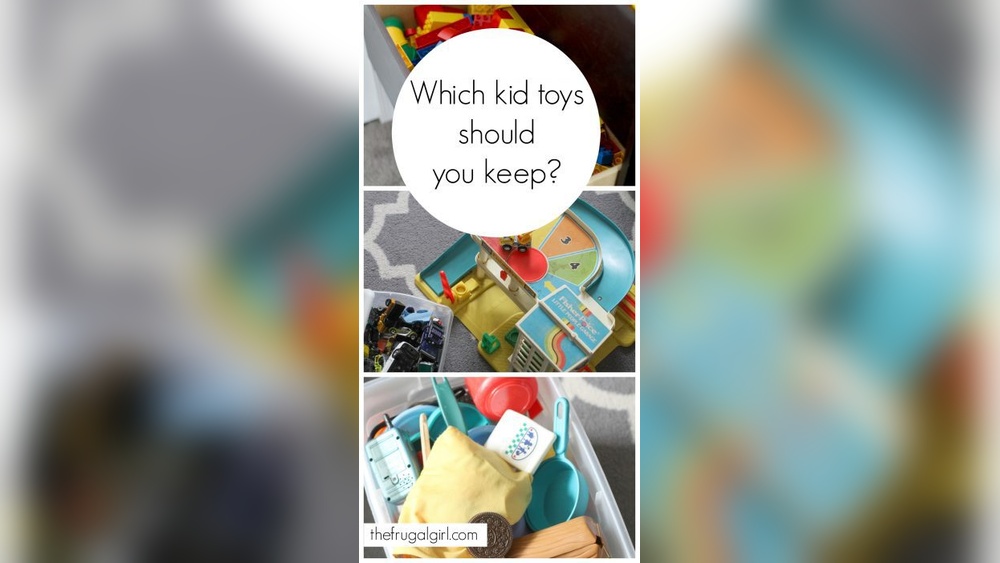
Have you ever wondered if you can keep a kid’s toy long after the fun is over? Maybe it’s a special gift, a favorite character, or a toy that holds a memory close to your heart.
You might be asking yourself if it’s okay to hold onto it, store it, or even pass it down. This question isn’t just about toys—it’s about the value and meaning they carry for you and your family. Keep reading to discover what you need to know before deciding whether to keep that kids’ toy for years to come.
Toy Safety Basics
Toy safety is very important for every child. Safe toys protect kids from injuries and health problems. Parents and caregivers must know the basics of toy safety. These basics help choose the right toys and keep children safe during playtime.
Understanding these points ensures toys are fun and secure. Safety starts before buying and continues during use. Let’s explore key areas to focus on for toy safety.
Age-appropriate Toys
Toys should match the child’s age and skills. Labels usually show the suitable age range. Younger children need simpler toys without small parts. Older kids can use more complex toys safely. Choosing the correct age group reduces choking and injury risks.
Common Hazards
Some toys have small pieces that can cause choking. Sharp edges or points can lead to cuts and bruises. Strings or cords longer than seven inches may cause strangulation. Batteries can leak harmful chemicals if swallowed. Always check toys for these dangers before giving them to kids.
Material Safety
Toys made from non-toxic materials are best for children. Avoid toys with lead paint or harmful chemicals. Plastic toys should be BPA-free and sturdy. Soft toys must be clean and free from loose parts. Safe materials help prevent allergies and poisoning.
Choosing Safe Toys
Choosing safe toys for children is very important. Toys should protect kids from harm and support healthy play. Parents and caregivers must check toys carefully before giving them to children. Safety means more than just fun. It means peace of mind.
Certified Labels To Look For
Certified labels show a toy meets safety rules. Look for marks like ASTM, CE, or JPMA. These labels mean experts checked the toy for risks. Toys with these marks are safer choices for kids. Always check the packaging for these signs.
Avoiding Choking Hazards
Small parts can cause choking. Toys for children under three should not have pieces smaller than a golf ball. Check the toy size and any loose parts. Avoid toys with sharp edges or parts that break easily. Keep young children away from small toys.
Non-toxic Materials
Toys made with non-toxic materials keep kids safe from poisons. Avoid toys with strong smells or bright, unnatural colors. Choose toys made from wood, cotton, or BPA-free plastic. Non-toxic toys protect children’s health during playtime.
Maintaining Toy Cleanliness
Keeping kids’ toys clean is important for their health and safety. Toys can collect dust, dirt, and germs over time. Regular cleaning helps keep toys safe for play. It also extends the life of the toy. Different toys need different care based on their material.
Cleaning Techniques By Material
Plastic toys can be wiped with warm soapy water. Use a soft cloth or sponge to avoid scratches. Rinse well and let them dry completely.
Wooden toys should not soak in water. Use a damp cloth to clean and dry quickly. Avoid harsh chemicals that can damage wood.
Metal toys can be cleaned with a damp cloth. Dry them right away to stop rust. For tough spots, use mild soap and water.
Sanitizing Soft Toys
Soft toys attract dust and germs easily. Most can be washed in a washing machine on a gentle cycle. Use mild detergent and cold water.
For toys that cannot go in the washer, spot clean with a mix of water and mild soap. Use a clean cloth to dab and remove dirt.
Dry soft toys fully to prevent mold. Air dry or use a low heat setting in a dryer if allowed.
Preventing Germ Spread
Teach children to wash their hands before and after play. Store toys in clean, dry places to avoid dust buildup.
Regularly clean toys, especially those shared with others. Avoid sharing toys when kids are sick.
Use disinfectant wipes for quick cleaning of high-touch toys. Let surfaces air dry for best results.

Credit: www.amazon.com
Toy Storage Solutions
Keeping kids’ toys tidy can be a challenge. Toy storage solutions help keep play areas neat and safe. Organized storage makes it easier for kids to find and put away toys. It also protects toys from damage and clutter from taking over the room.
Organizing By Type And Size
Sort toys by type, such as dolls, cars, or blocks. Group similar toys together to find them quickly. Sort by size to avoid small toys getting lost under big ones. Use bins or baskets to keep each type separate. Clear containers help kids see what’s inside without opening them.
Space-saving Ideas
Use vertical space with shelves or wall hooks. Stackable bins save floor space and keep toys neat. Under-bed storage boxes hide toys but keep them accessible. Multi-purpose furniture, like ottomans with storage, works well. Rotate toys by storing some away and swapping them regularly.
Safety In Storage Areas
Store toys in areas where kids can reach safely. Avoid heavy bins on high shelves that may fall. Use lids that snap securely to prevent spills. Keep small toys out of reach of very young children. Make sure storage units are stable and do not tip over easily.
Extending Toy Lifespan
Extending the lifespan of kids’ toys helps save money and reduces waste. Toys that last longer bring more joy to children and can be shared with others. Simple care and attention can keep toys in good shape for years.
Regular Inspections
Check toys often for signs of wear or damage. Look for loose parts, cracks, or broken pieces. Early detection stops small problems from becoming big ones. This also keeps toys safe for children to use.
Repairing Damaged Toys
Fix toys quickly to avoid further damage. Use glue, tape, or replacement parts as needed. Repairing helps toys stay useful and loved. It also teaches kids the value of taking care of their things.
Proper Handling Tips
Teach children to handle toys gently. Avoid throwing or dropping them hard. Store toys in a clean, dry place after play. Proper handling keeps toys working well and looking nice longer.

Credit: www.realtor.com
When To Discard Toys
Deciding when to discard kids toys is important for safety and space. Toys don’t last forever. Some get worn out or broken over time. Keeping old toys can create clutter and hazards. Knowing when to let go helps keep playtime safe and fun.
Signs Of Wear And Tear
Toys with cracks, missing parts, or loose pieces need attention. Faded colors and torn fabric show age. Stiff or sticky joints make toys hard to use. Look closely for sharp edges or broken plastic. These signs mean the toy is past its prime.
Safety Risks Of Broken Toys
Broken toys can hurt children. Small parts can break off and cause choking. Sharp edges can cut or scratch skin. Damaged batteries or electronics can leak harmful chemicals. Avoid toys with exposed wires or broken pieces. Safety should always come first.
Recycling And Donation Options
Donating toys can bring joy to others. Choose toys in good condition for donation. Many charities accept gently used toys. Recycling old toys helps reduce waste. Some toy parts can be recycled separately. Check local programs for toy recycling options.

Credit: arterahome.com
Frequently Asked Questions
Can You Keep A Kid’s Toy After Use?
Yes, you can keep a kid’s toy after use. Properly clean and store it to maintain hygiene. Keeping toys can save money and reduce waste. Always check for safety and age-appropriateness before reuse.
How To Safely Store Kids’ Toys Long-term?
Store kids’ toys in a dry, clean place to avoid damage. Use airtight containers to protect from dust and pests. Label boxes for easy identification. Avoid exposure to sunlight to prevent fading or material weakening.
Is It Okay To Keep Old Kids’ Toys?
Yes, keeping old kids’ toys is fine if they’re safe and intact. Some toys hold sentimental or monetary value. Regularly inspect for wear and remove broken parts to avoid hazards.
Can Keeping Toys Benefit Children’s Development?
Keeping toys encourages creativity and comfort. Familiar toys provide emotional security and aid learning. Rotate toys to maintain interest and stimulate new skills. Ensure toys are age-appropriate and safe.
Conclusion
Keeping a kids toy depends on its condition and value. Toys with good quality last longer and bring joy. Some toys hold memories that are hard to replace. Consider safety and cleanliness before keeping any toy. Sharing toys can also teach kids kindness and care.
Choose what fits your space and needs best. Keeping toys can be simple and meaningful. It helps children learn and grow through play. Think about what makes sense for your family. Toys can stay special with proper care and love.
