

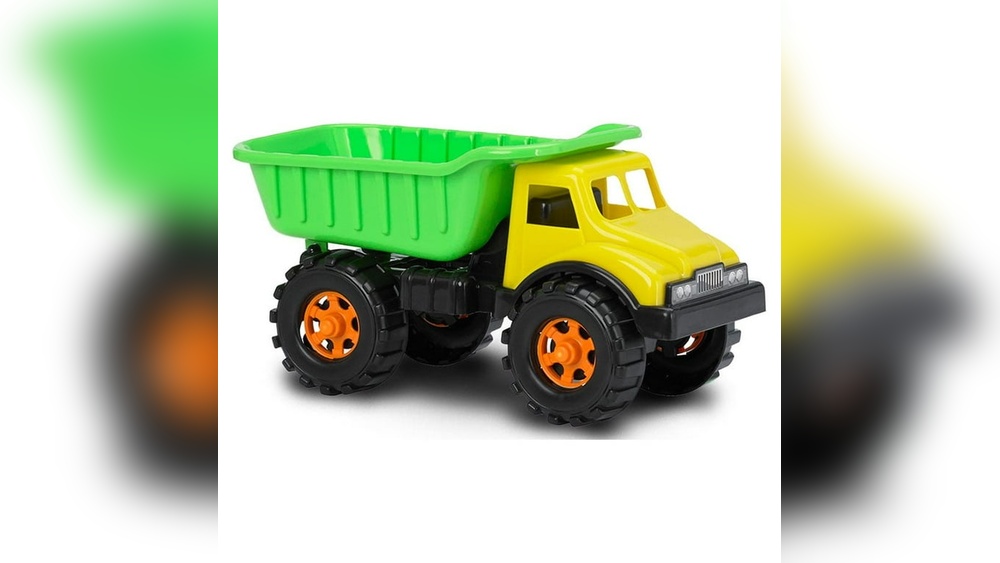
Have you ever wondered why your child dumps out an entire toy box in just minutes? It can feel overwhelming and messy, but there’s more behind this behavior than just playtime chaos.
Understanding why kids do this can help you stay patient and even turn these moments into opportunities for learning and growth. Keep reading to discover the surprising reasons behind toy dumping and how you can make the most of it for your child’s development.
Emotional Expression
Kids often dump toys as a way to show their feelings. They might not have the words to express what they feel inside. Tossing toys can be a simple act to share emotions like frustration, anger, or a need for attention. Understanding this behavior helps adults respond with care and patience.
Frustration And Anger
Children may throw toys when they feel upset. It is an easy way for them to show anger. Sometimes, a toy does not work as they want. They might also feel overwhelmed by rules or limits. Dumping toys helps them release those strong feelings.
Seeking Attention
Kids want adults to notice them. Throwing toys can be a quick way to get attention. They may feel lonely or ignored. This action makes adults look their way. It is a call for help or connection.
Testing Boundaries
Children learn rules by testing limits. Dumping toys is a way to see what happens next. They watch how adults react to their actions. This helps kids understand what is allowed. It is a part of growing and learning self-control.

Credit: toughtrucksforkids.com
Developmental Stages
Children go through different stages of growth. Each stage teaches them new skills. These stages explain why kids often dump toys. It is not just play but learning in action. Understanding these stages helps adults support children’s development.
Exploring Cause And Effect
Young kids love to see what happens next. Dropping toys shows them cause and effect. They learn that dropping a toy makes noise or moves. This helps their brain connect actions and results. It is a simple way to discover the world.
Improving Motor Skills
Dumping toys helps children practice hand control. Picking up and dropping toys builds fine motor skills. Their fingers and hands grow stronger and more precise. This practice prepares them for writing and other tasks. Small movements become easier with time.
Learning Control
Children test their ability to control objects and themselves. Dumping toys lets them practice focus and patience. They try to hold, release, or stack toys carefully. This teaches them self-control and decision-making. These skills are important for future learning.
Boredom And Overstimulation
Boredom and overstimulation often cause children to dump their toys. Kids need just the right amount of excitement to stay interested. Too little or too much can lead to frustration or loss of interest. Understanding these causes helps parents and caregivers create better play environments. Simple changes can keep playtime fun and engaging.
Lack Of Interest
Children lose interest in toys quickly. They want new challenges and different activities. Toys that do not change or grow with their skills become boring. Kids may dump toys to find something more exciting. Rotating toys can help keep their attention longer.
Too Many Toys
Having too many toys can confuse children. They feel overwhelmed by choices and don’t know where to start. This overload can lead kids to dump toys just to clear space. A smaller, well-chosen set encourages focused and meaningful play.
Sensory Overload
Bright lights, loud sounds, and many colors can overwhelm kids. Sensory overload makes it hard to concentrate on one toy. Children may dump toys to reduce the noise and chaos. Calm and simple toys help kids feel safe and engaged.

Credit: www.amazon.com
Social Influences
Social influences play a big role in why kids dump toys. Children learn by watching others around them. Their behavior often reflects what they see in friends, family, and other adults. Social situations shape how kids act with their toys.
Imitating Peers Or Adults
Kids copy what others do. If a friend throws toys, a child might do the same. Adults also set examples. If a parent quickly puts away a toy, a child may dump toys to get attention. Imitation helps kids explore social rules and reactions.
Seeking Peer Approval
Children want to fit in with their group. Dumping toys can be a way to get noticed. Sometimes, kids dump toys to make friends laugh or react. They learn what behavior gets positive feedback from peers.
Reacting To Social Situations
Kids use toy dumping to express feelings in social settings. They might feel frustrated, excited, or shy. Dumping toys can be a signal to others about their mood. This behavior helps them communicate when words are hard to find.
Communication Challenges
Kids often dump toys because they face communication challenges. Sometimes, they cannot use words to explain their feelings or needs. Dumping toys becomes their way to show what they want or feel inside. Understanding this helps adults respond better to children’s behavior.
Expressing Needs Without Words
Young children may not have the words to say what they need. Dumping toys is a simple way to express hunger, tiredness, or boredom. It is their way to share feelings without speaking. Adults can watch for these signs to help kids feel understood.
Seeking Help
Some kids dump toys to get attention or ask for help. They might feel confused or stuck during play. Tossing toys signals adults to step in and assist. This action shows their need for guidance or support in a clear way.
Avoiding Tasks
Children may dump toys to avoid tasks they find hard or boring. This act helps them escape from unwanted activities. It is a silent protest when words fail. Recognizing this helps adults find kinder ways to encourage cooperation.
Parental Responses
Parents often wonder how to react when kids dump their toys. This behavior can feel frustrating or confusing. Understanding the right responses helps guide children toward better play habits. Parental reactions shape how kids learn to respect their belongings and enjoy playtime.
Effective Discipline Strategies
Discipline should be calm and clear. Gently explain why dumping toys is not okay. Use simple words to help kids understand consequences. Consistency is key. Follow through with fair, immediate consequences. Avoid yelling or harsh punishments. Positive discipline teaches respect and responsibility.
Encouraging Positive Play
Praise children when they play nicely. Offer choices to keep them engaged. Suggest organizing toys together after play. Make cleanup part of the fun. Use storytelling to make toys more interesting. Positive play habits grow with encouragement and patience.
Setting Clear Expectations
Set simple rules about toy use. Tell kids what you expect before play begins. Repeat rules often in a kind tone. Clear limits help children feel secure. Knowing boundaries reduces toy dumping episodes. Consistent expectations support good behavior over time.
Creating A Supportive Environment
Creating a supportive environment helps children feel safe and focused during play. It reduces frustration and confusion, making playtime more enjoyable. A calm, organized space encourages kids to explore toys without feeling overwhelmed. Adults can guide children gently to use toys properly. This support helps kids learn to take care of their things.
Organizing Toys
Keep toys in clear, labeled bins or shelves. Sorting toys by type or size helps kids find what they want. Easy access means less dumping and mess. When kids see where toys belong, they learn to put them away. Organization teaches responsibility and respect for belongings.
Establishing Playtime Routines
Set regular playtimes each day. Predictable routines help kids know what to expect. Start with short play sessions, then increase time slowly. End playtime with cleaning up toys together. Routines build good habits and reduce sudden dumping of toys.
Promoting Emotional Regulation
Children often dump toys when feeling upset or overwhelmed. Teach simple ways to calm down, like deep breaths or quiet time. Name feelings to help kids understand emotions. Supportive adults listen and offer comfort. Helping kids manage feelings lowers the chance of toy dumping.

Credit: www.amazon.com
Frequently Asked Questions
Why Do Kids Dump Toys Frequently?
Kids often dump toys to explore and satisfy their curiosity. It helps them understand cause and effect while developing motor skills.
Is Dumping Toys A Sign Of Developmental Growth?
Yes, dumping toys is a normal developmental stage. It improves hand-eye coordination and cognitive skills through active exploration.
How Can Parents Manage Kids Dumping Toys?
Parents can manage this by setting playtime limits and organizing toys in accessible bins. Encouraging cleanup teaches responsibility.
Does Dumping Toys Indicate Boredom Or Attention Seeking?
Sometimes, yes. Kids may dump toys to express boredom or seek attention. Offering engaging activities can reduce this behavior.
Conclusion
Kids dump toys for many simple reasons. They want to explore new things. Sometimes, toys lose their fun quickly. Children also like to share or clean up. Understanding this helps parents support healthy play. It’s normal for kids to change interests often.
Watching how they play shows what they enjoy most. Letting children choose toys keeps playtime happy and fresh. Remember, patience helps kids grow and learn through play.
