

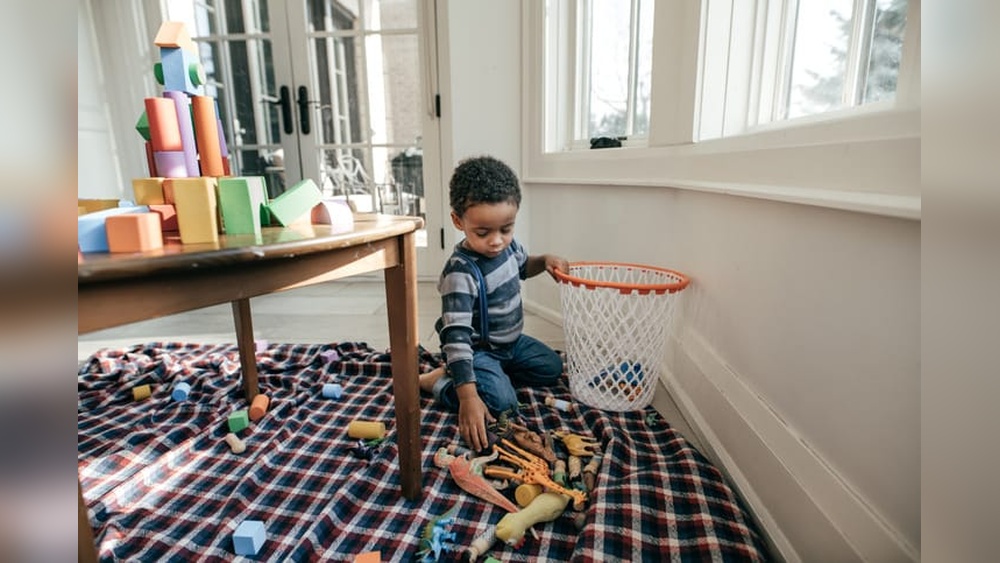
Are you tired of stepping on toys scattered all over your floor? You want your kids to pick up their toys, but it feels like a constant battle.
What if getting them to clean up could be easier, even fun? You’ll discover simple, effective ways to encourage your children to tidy up without the usual struggle. Keep reading, and you’ll find practical tips that actually work—making your home cleaner and your life less stressful.
Make Cleanup Fun
Making cleanup fun helps children enjoy tidying their toys. Kids respond better to activities that feel like play. Turning cleanup into a fun task can build good habits early. It reduces resistance and creates a positive routine. Parents can use simple ideas to add excitement to the process.
Turn Picking Up Into A Game
Transforming cleanup into a game makes it less of a chore. Children love challenges and rewards. You can set a goal, like who picks up the most toys. Or play a color hunt, finding toys by color and putting them away. Friendly competition motivates kids to finish faster. Games make the task feel light and enjoyable.
Use Music And Timers
Music adds energy and fun to cleanup time. Play your child’s favorite songs while they tidy up. Songs with a fast beat encourage quick movement. Timers create a sense of urgency and excitement. Set a timer for five minutes and see how much they can clean. This method turns cleanup into a lively race against time.

Credit: www.sheknows.com
Set Clear Expectations
Setting clear expectations helps children understand what is needed. It makes cleaning up toys less confusing and more routine. Kids respond better when they know exactly what to do and when to do it. This section explains easy ways to set those clear rules and schedules.
Create Simple Rules
Keep rules short and easy to remember. For example, “Put toys in the box” or “Clean up before snack time.” Use the same words every day. This helps children learn faster. Repeat rules calmly and kindly. Praise children when they follow the rules. This builds good habits over time.
Use Visual Schedules
Pictures help children understand tasks better than words alone. Make a chart with photos showing each step of cleaning up. Use images of toys, bins, and a clock to show timing. Hang the chart where kids can see it easily. Check off each step together. This makes cleanup fun and clear.
Offer Rewards And Praise
Offering rewards and praise helps motivate kids to pick up their toys. Kids respond well to positive attention. They like knowing they did a good job. This encourages them to keep cleaning up. Simple rewards and kind words create a fun habit. It makes tidying up less of a chore.
Use Positive Reinforcement
Positive reinforcement means praising good behavior right away. Say things like, “Great job putting your toys away!” Smile and give a high five. This shows kids you notice their effort. They feel proud and want to do it again. Avoid punishments or harsh words. Positive words build confidence and happiness.
Create A Reward System
Set up a clear reward system with simple goals. For example, a sticker chart for every time toys get picked up. After earning five stickers, offer a small prize like extra story time. Make rewards small and easy to get. This keeps kids excited and focused. Change rewards often to keep it interesting. The system turns cleaning into a fun challenge.

Credit: www.playboutique.com
Provide Easy Storage Solutions
Making toy cleanup easy helps kids learn good habits fast. Simple storage solutions reduce mess and stress. Kids can put toys away quickly when storage fits their needs. Clear, easy-to-use spots encourage kids to tidy up without fuss.
Use Bins And Labels
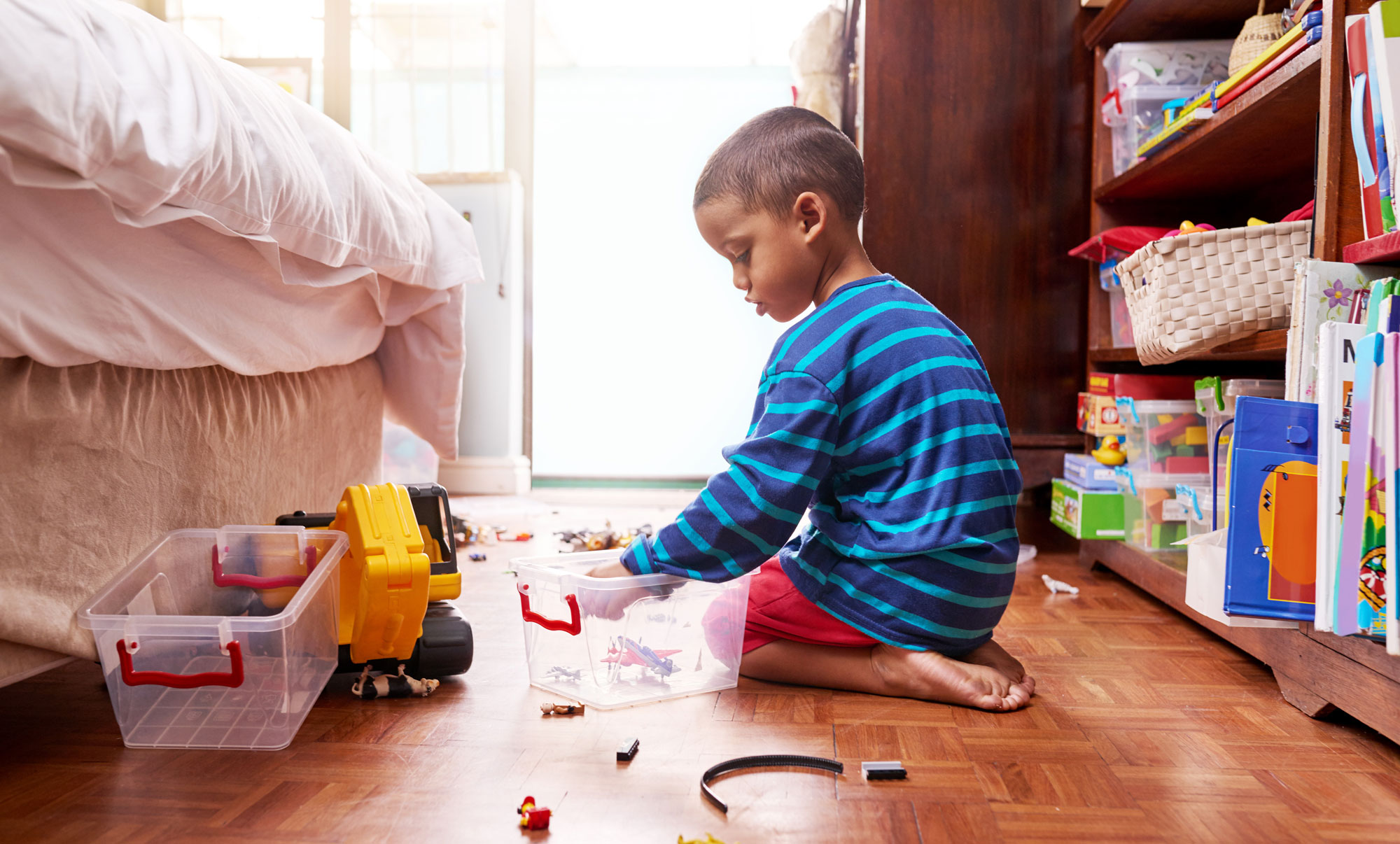
Bins keep toys organized and in one place. Use clear bins so kids see what is inside. Labels help kids know where toys belong. Use pictures or words on labels for easy reading. Sorting toys by type makes cleanup faster and simpler.
Make Storage Accessible
Place bins and shelves where kids can reach them. Low shelves or floor bins work best for little hands. Avoid high or heavy storage spots that need adult help. Easy access makes kids more willing to clean up. Let kids choose where toys go to feel in control.
Lead By Example
Children learn most by watching adults. When parents pick up toys, kids notice and follow. Leading by example helps children understand expectations without many words. It makes cleaning up a shared activity, not a chore. This approach builds good habits early and makes tidying up a normal part of daily life.
Clean Up Together
Set a time to clean up with your child. Put on some music and make it fun. Show how to put toys in the right place. Help them sort items by type or size. Working side by side teaches teamwork. Kids feel proud when they help. This also shows that cleaning up is important for everyone.
Show Consistency
Always clean up after playtime. Do not skip this step even on busy days. Children learn from regular habits. Consistent actions create clear rules without many words. If parents clean up every day, kids will expect to do the same. This steady routine builds responsibility and respect for shared spaces.
Credit: northstateparent.com
Teach Responsibility Gradually
Teaching kids to pick up their toys builds their sense of responsibility. It helps them learn good habits and care for their things. This process works best when done in small steps. Gradual teaching makes the task less scary. It also keeps kids motivated and proud of their progress.
Start With Small Tasks
Begin with easy and clear chores. Ask children to put away just a few toys. Choose simple items they like. This makes the job fun and quick. Praise them for finishing these small tasks. It builds confidence and shows that their effort matters.
Increase Expectations Over Time
Slowly add more tasks as kids get better. Let them handle more toys or bigger cleanup jobs. Set clear rules about tidying up after playtime. Give reminders but avoid nagging. This helps children learn responsibility step by step. They feel capable and ready for bigger duties.
Address Common Challenges
Getting kids to pick up toys can be tricky. Some challenges stop them from helping out. Understanding these common issues makes cleaning easier for everyone.
Handle Resistance
Kids often resist cleaning because it feels like a chore. They want to keep playing instead. Offer choices to give them control. For example, ask which toys to put away first. Use calm words and stay patient. Praise small efforts to build good habits. Turning cleanup into a short game can also help.
Manage Overwhelming Messes
A big mess can scare kids. They may not know where to start. Break the task into small steps. Focus on one area or type of toy at a time. Use baskets or bins to sort toys easily. Keep cleanup sessions short to avoid frustration. Little by little, the room becomes tidy again.
Frequently Asked Questions
How Can I Motivate Kids To Pick Up Toys Daily?
Create a fun routine with rewards to encourage daily toy cleanup. Use praise and small incentives to keep kids engaged and motivated consistently.
What Are Easy Ways To Organize Kids’ Toys Effectively?
Use labeled bins and shelves at child height. Sort toys by type, making cleanup quick and simple for kids to manage independently.
How To Make Toy Cleanup A Fun Activity?
Turn cleanup into a game with timers or music. Challenge kids to finish before the song ends to make tidying enjoyable.
When Is The Best Time To Teach Kids Toy Cleanup?
Start teaching cleanup habits early, ideally around age 2 or 3. Early consistency helps kids develop responsibility and good habits naturally.
Conclusion
Getting kids to pick up toys takes patience and clear steps. Make cleaning up fun and part of their routine. Praise their efforts to encourage good habits. Keep toy storage easy to reach and use. Small rewards can motivate children without pressure.
Remember, consistency helps kids learn over time. These simple tips make toy cleanup less stressful. Helping kids tidy up teaches responsibility and care. Keep trying different ways until you find what works. Your calm approach makes a big difference every day.
