

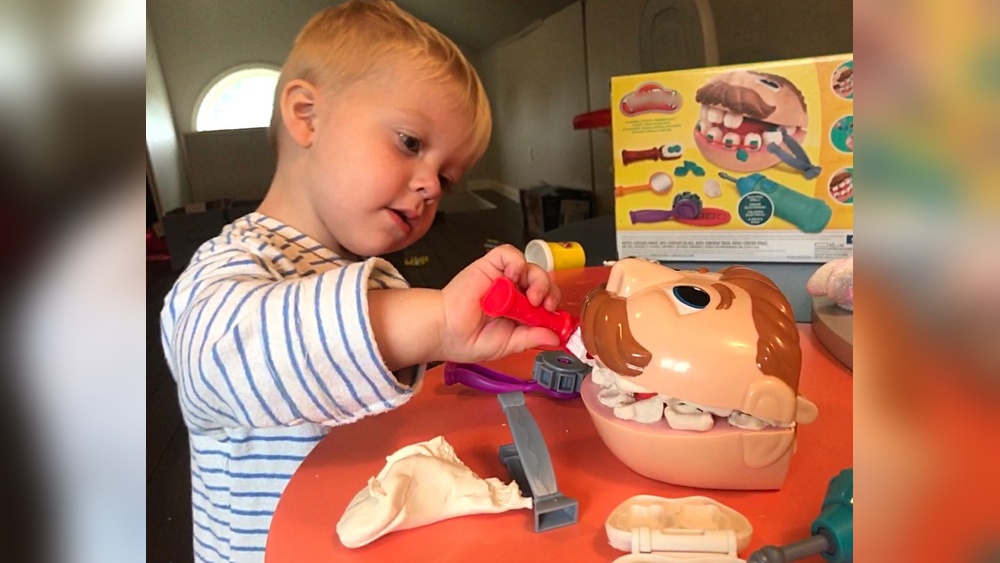
Are you struggling to get your kids interested in their toys? You’re not alone.
Many parents find it hard to keep children engaged with toys, especially when screens and gadgets compete for their attention. But what if there were simple, effective ways to make playtime fun and exciting again? You’ll discover easy tips to encourage your kids to dive into their toys with joy and creativity.
Keep reading, and watch how playtime can transform from a battle into a favorite part of your day.

Credit: www.workspaceforchildren.com
Choose Age-appropriate Toys
Choosing the right toys helps kids enjoy playtime more. Age-appropriate toys match a child’s skills and needs. These toys keep children safe and interested. They support learning and fun together. Picking toys that fit their age boosts creativity and confidence.
Consider Developmental Stages
Each age has unique skills and abilities. Babies need soft, safe toys to explore senses. Toddlers enjoy toys that help with movement and coordination. Preschoolers like toys that challenge thinking and imagination. School-age kids prefer toys that build skills and friendships. Match toys to what your child can do now.
Focus On Interests
Kids play best when toys match their likes. Some love animals, others like cars or art. Notice what your child watches or talks about. Choose toys that connect to these interests. Toys linked to hobbies keep kids excited and busy. This makes playtime more meaningful and fun.
Create An Inviting Play Space
Creating an inviting play space makes kids want to play more. A well-set area helps children feel safe and excited. It also keeps toys ready and easy to find. A good play space encourages imagination and fun every day.
Organize Toys Accessibly
Place toys where kids can reach them easily. Use low shelves or bins that are open. Sort toys by type or size for quick choices. Clear labels or pictures help kids know where toys belong. This way, they pick and put back toys without help.
Design A Comfortable Area
Pick soft rugs or mats for sitting and playing. Add cushions or small chairs for comfort. Ensure the space has good light, natural or soft lamps. Keep the area tidy to avoid distractions and accidents. A cozy space invites kids to stay and play longer.
Engage Through Play
Engaging with your child through play helps build stronger bonds. It makes toys more fun and interesting. Kids feel happy and want to play more. Your presence turns playtime into a special moment.
Playing together shows your child how toys work. It sparks their curiosity and creativity. They learn new ways to enjoy their toys. This approach makes toys come alive in their eyes.
Join Their Playtime
Get down to your child’s level. Sit or kneel near their toys. Show interest in what they are doing. Use simple words to talk about the toys. Ask questions like, “What is this?” or “Can I play too?”
Follow their lead and copy their actions. This makes your child feel important. Let them teach you how to play. Your attention encourages them to stay involved.
Use Imaginative Scenarios
Create fun stories around the toys. Pretend the toy is a hero or a friend. Make up adventures that excite your child. Use voices and sounds to add fun.
Invite your child to add ideas to the story. This boosts their imagination and language skills. Imaginative play turns simple toys into exciting worlds. It keeps children curious and eager to play.
Incorporate Routine Playtimes
Incorporating routine playtimes helps kids enjoy toys more often. Play becomes a natural part of the day. Kids learn what to expect and feel more secure. Routine helps parents manage time better. Playtime turns into a fun habit, not a chore.
Set Consistent Schedules
Choose specific times for play each day. Stick to these times as closely as possible. Kids respond well to routine. Consistency builds excitement for play. It also helps children understand limits and rules. Make play a daily event, like meals or bedtime. Predictable schedules reduce fuss and resistance.
Balance Screen Time
Limit screen time to encourage toy play. Too much screen time can reduce interest in toys. Set clear rules about when screens are allowed. Offer toys as fun alternatives during screen-free times. Balance helps kids develop creativity and social skills. Screen breaks create space for imagination and hands-on play. This balance improves overall mood and behavior.
Encourage Social Play
Encouraging social play helps children enjoy toys more. Playing with others builds teamwork and sharing skills. It makes playtime fun and exciting. Social play also helps kids learn new ways to use toys. Here are simple ways to promote social play.
Invite Friends Over
Invite a few friends to play together. Kids enjoy toys more when others join in. Watching friends play can inspire new ideas. Group play creates a lively and joyful space. Keep the group small to avoid chaos. Make sure toys are easy to share. Friendly visits build bonds and encourage regular playdates.
Promote Cooperative Games
Choose toys that need teamwork. Cooperative games require kids to work together. These games teach listening and problem-solving skills. They make playtime about helping, not just winning. Toys like puzzles or building sets work well. Encourage kids to talk and plan while playing. Cooperative play turns toys into shared adventures.

Credit: busytoddler.com
Reward And Praise Play Efforts
Reward and praise play efforts help children feel good about playing. Kids want to know they are doing well. Recognizing their efforts encourages them to keep playing with toys. It builds their confidence and makes playtime more fun.
Use Positive Reinforcement
Positive reinforcement means praising good behavior right away. Say things like “Great job!” or “I love how you are playing.” Smile and use a kind tone. This shows children their play is important. They want to repeat actions that get praise.
Rewards can be simple, like stickers or extra playtime. These small treats motivate kids to try more. Avoid punishing or ignoring play efforts. Positive words and rewards create a happy play environment.
Celebrate Small Achievements
Celebrate every little success during play. Clapping hands or giving high-fives works well. Notice when kids share toys or solve a puzzle. These moments deserve praise.
Small wins build up to bigger skills. Children feel proud and want to keep playing. Celebrations help them see play as a positive experience. This habit encourages more frequent and longer play sessions.
Rotate Toys Regularly
Rotating toys regularly helps keep children interested and excited. It prevents boredom and brings back the fun of discovery. Children enjoy toys more when they feel new and special.
Maintain Novelty
By switching toys often, kids see them as fresh and exciting. Toys that disappear for a while come back with a new appeal. This keeps playtime lively and sparks creativity.
Regular rotation also lets children focus on fewer toys at once. They explore each toy deeply instead of rushing through many. This builds better attention and enjoyment.
Avoid Toy Overload
Too many toys can overwhelm children. It makes it hard to choose and reduces playtime fun. Rotating toys limits the number available, keeping play areas neat.
With fewer toys out, children learn to appreciate each item more. They stay engaged longer and develop stronger play skills. Rotation helps manage clutter and boosts interest.

Credit: mosaicmontessori.ca
Address Resistance To Play
Kids sometimes resist playing with toys. This can feel frustrating for parents and caregivers. Understanding why children avoid play helps solve the problem. Addressing resistance means looking deeper into their feelings and needs. It takes patience and clear steps to encourage fun and learning.
Identify Underlying Causes
Find out why your child avoids toys. They might feel bored, tired, or scared. Some kids want more attention or prefer other activities. Watch your child’s behavior closely. Ask simple questions about their feelings. Knowing the cause guides you to the right solution.
Offer Choices And Control
Children like to feel in charge. Let them pick which toys to play with. Give a small selection instead of too many options. This reduces overwhelm and builds interest. Allow kids to decide how and when they play. Giving control boosts their confidence and joy.
Frequently Asked Questions
How Can I Encourage Kids To Play With Toys?
Create a fun, inviting play area. Join their playtime to model excitement. Rotate toys regularly to keep interest alive.
What Toys Are Best For Engaging Children?
Choose age-appropriate, colorful, and interactive toys. Look for toys that spark imagination and creativity. Avoid toys that are too complex or simple.
How Do I Make Toy Time Enjoyable For Kids?
Incorporate games and challenges with toys. Praise their creativity and effort. Allow kids to lead play to boost engagement.
Why Do Kids Lose Interest In Toys Quickly?
Kids seek novelty and new challenges. Toys may become boring if they lack variety or interaction. Regularly introduce fresh toys or new ways to play.
Conclusion
Getting kids to play with toys takes patience and creativity. Offer toys that match their interests and age. Create a fun and safe space for play. Join them sometimes to show how toys work. Keep toys organized to avoid clutter and boredom.
Rotate toys to keep their attention fresh. Praise their efforts and imagination during playtime. Small steps build lasting habits. Enjoy watching their creativity grow. Play helps kids learn and have fun every day.
