

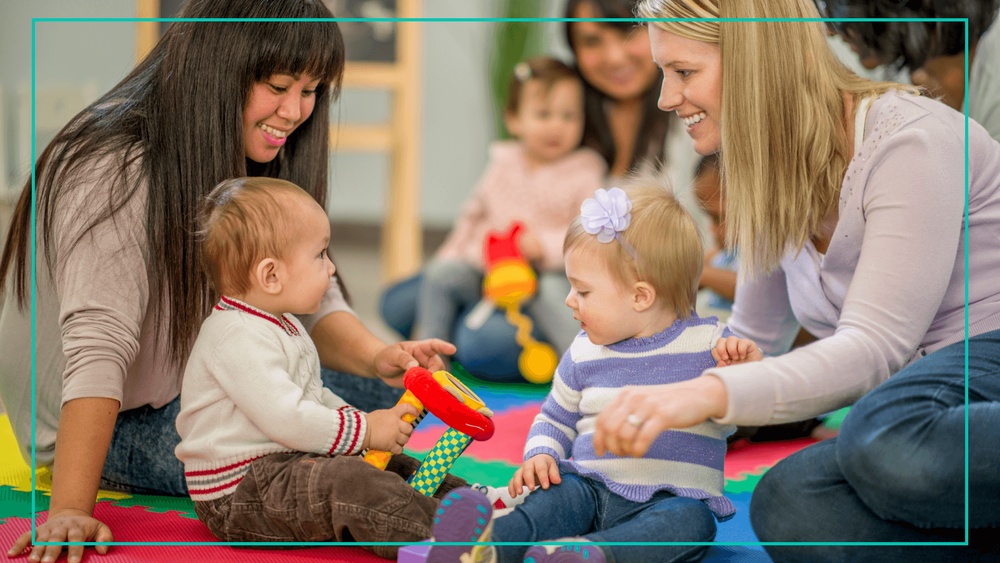
Have you ever noticed how your child’s eyes light up when playing with toys alongside other kids? Toys do more than just entertain—they open doors to new friendships and teach important social skills.
When your child shares a toy or works together on a game, they’re learning how to communicate, cooperate, and understand others. Imagine giving your child the tools to build confidence and connect with friends, simply through play. Keep reading to discover how the right toys can help your kid become a social superstar.
Role Of Toys In Social Growth
Toys play a key role in children’s social growth. They help kids learn how to interact and build friendships. Through play, children practice important social skills. These skills include communication, cooperation, and sharing. Toys create a safe space for children to explore social behaviors.
Toys As Social Tools
Toys act as bridges for social interaction. They give children common ground to start talking. Playing with the same toy helps kids connect. Dolls, action figures, and building blocks invite teamwork. These toys encourage children to share ideas and stories. Social play with toys builds trust and empathy.
Encouraging Cooperation
Many toys require kids to work together. Puzzles, board games, and team sports teach cooperation. Children learn to listen and follow rules. They discover the value of helping each other. Cooperation with toys improves problem-solving skills. This teamwork builds stronger friendships over time.
Sharing And Turn-taking
Toys teach the important lessons of sharing and waiting. Kids must take turns to play fairly. This practice reduces conflicts and frustration. Sharing toys helps children understand kindness and respect. Turn-taking also improves patience and self-control. These lessons prepare kids for social settings outside play.
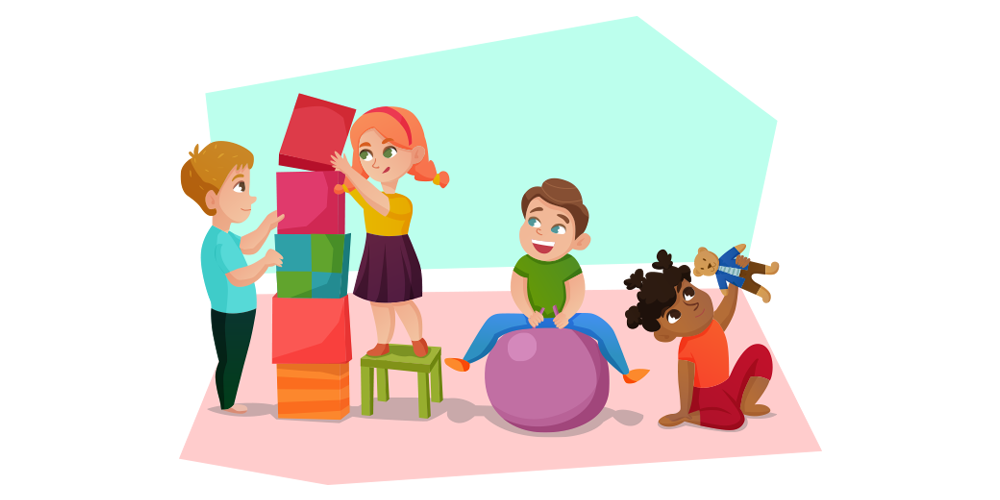
Credit: www.21kschool.com
Building Friendships Through Play
Building friendships through play is a natural way for children to connect. Toys offer a fun path for kids to meet and bond. Playtime invites cooperation and sharing, essential for forming strong friendships.
Playing together helps children feel included and valued. It creates a safe space where kids learn to trust and understand each other. Through play, friendships grow and deepen.
Group Play Activities
Group play activities bring children together in a shared goal. Toys like building blocks or board games encourage teamwork. Kids learn to take turns and solve problems as a team. These activities foster a sense of belonging and friendship.
Developing Communication Skills
Play helps children practice talking and listening. Toys spark conversations and teach new words. Kids explain their ideas and understand others better. Good communication builds trust and makes friendships stronger.
Creating Shared Experiences
Shared play creates memories children cherish. Playing with the same toy or game builds a common story. These moments become the foundation of lasting friendships. Kids feel closer when they share fun experiences.
Boosting Confidence With Toys
Toys play a big role in helping kids feel confident. They give children chances to try new things and show what they can do. Confidence grows when kids see they can solve problems or build something on their own. Toys also create moments where kids feel proud and happy about their achievements.
Playing with toys often leads to new skills. This helps children believe in themselves and their abilities. The more they play, the more comfortable they become with challenges. Confidence from playing spills over into social situations too.
Mastering New Skills
Toys help kids learn many new skills. Puzzles teach patience and thinking. Building blocks improve hand-eye coordination. Each time a child finishes a task, they gain pride. This pride builds their self-esteem. Trying again after mistakes shows resilience. Success with toys helps kids trust themselves.
Encouraging Creativity
Creative toys invite kids to use their imagination. Drawing sets, clay, and dress-up clothes let them explore ideas. Creativity makes children feel special and unique. They learn to express thoughts and feelings. This expression boosts confidence in sharing with others. Creative play also helps kids find their voice.
Positive Reinforcement
Praise and rewards during play increase confidence. Parents and teachers encouraging effort make children feel valued. Positive words help kids believe in their skills. Toys that give immediate feedback, like lights or sounds, also motivate kids. Feeling supported helps children take social risks. This support strengthens their social skills and self-belief.
Types Of Toys That Enhance Social Skills
Toys play a key role in helping children learn how to socialize. Certain types of toys encourage kids to talk, share, and work together. These toys create chances for children to practice important social skills. Below are three types of toys that help children connect and communicate better.
Interactive Board Games
Interactive board games require players to take turns and follow rules. Kids learn patience and cooperation while playing. These games also teach how to handle winning and losing gracefully. Playing together sparks conversations and builds friendships. Board games create a fun environment to practice social skills daily.
Role-playing Sets
Role-playing sets let children act out real-life situations. Pretending to be a doctor or chef helps kids understand others’ feelings. They learn empathy and improve communication skills. Role-playing encourages teamwork and problem-solving. It boosts confidence in social settings by practicing different roles.
Collaborative Building Toys
Collaborative building toys require children to work as a team. Kids share ideas and plan together to build structures. This promotes teamwork and clear communication. Children also learn to respect others’ opinions. These toys help develop patience and cooperation during play.
Tips For Parents To Foster Social Play
Helping children play together builds important social skills. Parents play a big role in guiding this process. Simple steps can make social play fun and effective. These tips focus on choosing toys, arranging playdates, and encouraging inclusive play.
Choosing The Right Toys
Select toys that invite sharing and teamwork. Puzzles, building blocks, and board games work well. Toys that need two or more players help children talk and cooperate. Avoid toys that promote solo play only. Look for options that spark creativity and group interaction.
Setting Up Playdates
Invite one or two friends for playtime at home. Keep the group small to reduce stress. Plan activities with clear goals and simple rules. Supervise but let kids solve small conflicts themselves. Regular playdates help kids practice social skills in a safe space.
Encouraging Inclusive Play
Teach children to include others in games. Encourage them to ask friends to join and share toys. Praise moments when kids play nicely together. Show kindness and respect through your own actions. Inclusive play helps children feel accepted and builds empathy.

Credit: montessori-academy.org
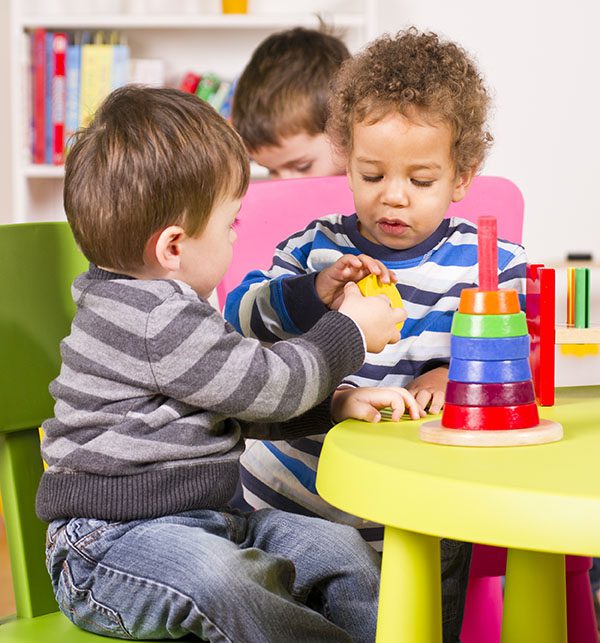
Credit: ricepsychology.com
Frequently Asked Questions
How Do Toys Improve Kids’ Social Skills?
Toys encourage interaction, sharing, and cooperation among children. Playing together builds communication skills and helps kids learn teamwork and empathy. Group play with toys fosters friendships and social understanding, essential for healthy social development.
What Types Of Toys Promote Socialization In Children?
Board games, role-playing sets, and building blocks encourage cooperative play. These toys require kids to communicate, take turns, and solve problems together, enhancing their social abilities and emotional intelligence through shared experiences.
Can Toys Help Shy Kids Socialize Better?
Yes, toys provide a comfortable way for shy kids to engage with peers. Playing with toys reduces social anxiety and encourages gradual interaction, helping shy children build confidence and develop social connections naturally.
How Does Group Play With Toys Benefit Child Development?
Group play teaches children teamwork, negotiation, and conflict resolution skills. It enhances emotional regulation and promotes a sense of belonging, which is crucial for overall social and emotional growth.
Conclusion
Toys play a big role in helping kids make friends. They encourage sharing and teamwork during play. Kids learn to talk, listen, and solve problems together. Playing with toys builds confidence and social skills. It also helps children understand feelings and respect others.
Choosing the right toys can create fun group activities. Parents and teachers should support playtime with toys. This way, kids grow happier and better at making friends. Social skills from play last a lifetime. Toys are more than just fun—they help kids connect.
