

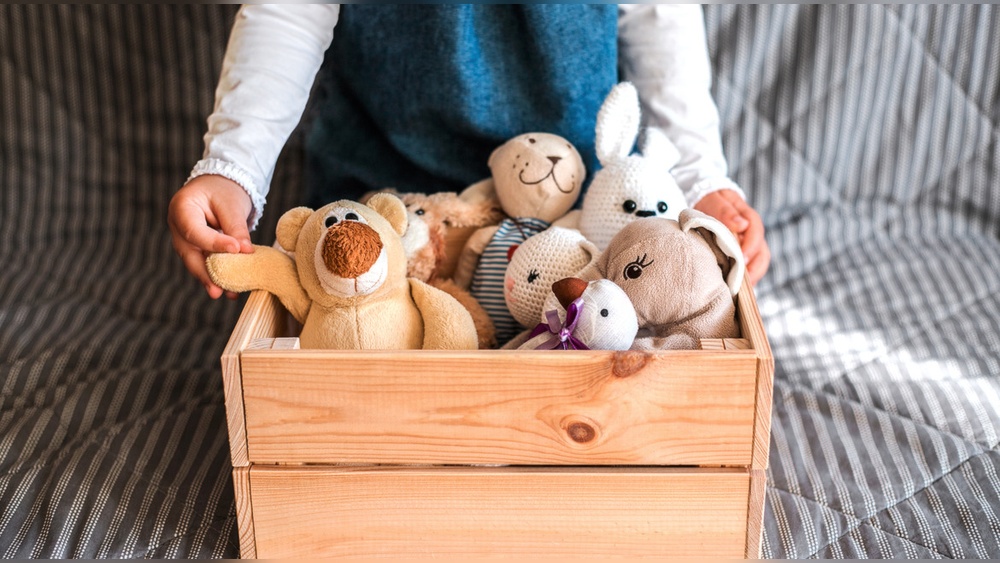
Do you ever wonder why your kids lose interest in their toys so quickly? It can be frustrating to see toys once loved now forgotten in a corner.
But what if you could help your children care more about their toys? Imagine fewer tantrums over lost pieces and more moments of joy and creativity. You’ll discover simple, effective ways to make toys more meaningful to your kids. Keep reading, and you’ll learn how to turn ordinary playtime into something special that lasts.
Make Toys Special
Making toys special helps children value and enjoy them more. When toys feel unique, kids are more likely to care for them. This also reduces clutter and keeps playtime exciting. Simple changes can make a big difference in how kids see their toys.
Create A Toy Rotation System
Choose a few toys to play with each week. Store the rest out of sight. This makes toys feel new and interesting every time. Kids will look forward to “new” toys returning. It also helps keep toys neat and organized. Rotate toys regularly to keep play fresh and fun.
Personalize Toy Storage
Use bins or shelves with your child’s name or pictures. Let them decorate their storage area. This gives kids a sense of ownership and pride. When toys have a special place, kids treat them better. Personalized storage makes cleanup a fun activity too.

Credit: www.amazon.com
Teach Responsibility
Teaching kids responsibility helps them value their toys more. It builds respect and care for their belongings. Kids learn to keep toys safe and organized. Responsibility grows with clear rules and praise. This section shares ways to teach responsibility effectively.
Set Clear Expectations
Explain to kids how to care for their toys. Tell them where toys should be kept after play. Show them how to handle toys gently. Clear rules make it easier for kids to follow. Consistency helps children understand what is expected.
Use Positive Reinforcement
Praise children when they take care of their toys. Say kind words or give small rewards. Positive feedback encourages kids to repeat good habits. Celebrate when toys are put away properly. This builds pride and a sense of responsibility.
Involve Kids In Toy Care
Getting kids to care about their toys builds respect and responsibility. Involving children in toy care helps them understand value. It also teaches them to be gentle and organized. This active participation makes toy care a fun and learning activity.
Make Cleaning Fun
Turn cleaning toys into a game. Use a timer to see who cleans the fastest. Sing songs while wiping or sorting toys. Let kids choose the cleaning tools like soft cloths or small brushes. Praise their effort to make them feel proud. Fun cleaning helps kids enjoy the process and want to do it more.
Encourage Repair And Maintenance
Show kids how to fix simple toy problems. Use glue or tape together with their help. Teach them to check batteries and replace when needed. Explain why fixing toys saves money and helps the planet. Celebrate when they fix a toy on their own. Repairing toys teaches patience and care for belongings.

Credit: alaskabeacon.com
Connect Toys To Imagination
Toys become special when children use their imagination. Imagination helps kids see toys as more than objects. It turns toys into characters, places, and adventures. This connection makes playtime exciting and meaningful. Helping kids connect toys to their imagination sparks creativity and care.
Encouraging children to imagine stories or roles with toys grows their interest. It makes toys important parts of their world. Parents and caregivers can guide kids to explore ideas and feelings through play.
Create Storytime With Toys
Storytime brings toys to life. Kids can tell stories about their toys and what they do. This builds language skills and creativity. Parents can join by asking questions about the toy’s adventures. Simple stories can grow into longer tales. Toys become heroes, friends, or explorers in these stories. This connection makes kids want to care for their toys more.
Encourage Role Play
Role play lets kids act out different characters with toys. They can pretend to be a doctor, teacher, or superhero. Role play helps children understand feelings and situations. Toys are tools in their imaginary world. Parents can support by providing props or ideas. Role play makes toys more important and fun. Kids learn to look after toys as part of their play.
Lead By Example
Children learn a lot by watching adults. They notice how you treat your things. Showing care for your belongings teaches them to do the same. Leading by example helps children understand respect and responsibility for their toys.
Model Respect For Belongings
Handle your items gently and keep them organized. Fix things instead of throwing them away. Speak kindly about your possessions. This behavior shows kids that things are valuable and worth caring for. It encourages them to treat their toys with the same respect.
Share Your Own Toy Memories
Talk about the toys you loved as a child. Describe how you took care of them and why they mattered. Sharing these stories creates a bond. It helps children see toys as more than just objects. They learn toys hold special memories and deserve care.

Credit: www.amazon.com
Use Visual Reminders
Visual reminders help children remember to care for their toys. These cues make it easier to keep toys organized and clean. Kids respond well to clear, simple signs. Visual aids create a routine and show respect for belongings.
Label Toy Areas
Label each toy area with words and pictures. This helps kids find and return toys easily. Clear labels reduce mess and confusion. Use bright colors and simple images for better understanding. Labels teach kids responsibility and organization skills.
Display Care Instructions
Show care instructions where toys are stored. Use short sentences and pictures to explain how to handle toys. Instructions remind kids to be gentle and keep toys clean. Visual guides make caring for toys a fun habit. This helps toys last longer and stay nice.
Reward Careful Behavior
Rewarding careful behavior helps children see value in taking care of their toys. Positive feedback encourages kids to respect and maintain their belongings. This approach builds good habits that last a lifetime.
Implement A Reward Chart
Create a simple chart to track toy care habits. Use stickers or stars for each time a child handles toys gently. Visible progress motivates kids to keep trying. Celebrate milestones with small treats or praise. This system makes care feel fun and rewarding.
Offer Special Privileges
Grant special privileges for consistent toy care. Extra playtime or choosing the next game can work well. These rewards link good behavior with enjoyable experiences. Kids learn that caring for toys brings positive outcomes. It boosts their interest in looking after their things.
Frequently Asked Questions
How Can I Teach Kids To Value Their Toys?
Encourage kids to take care of toys by setting routines for cleaning and organizing. Praise their efforts to build responsibility and pride in their belongings.
Why Do Kids Lose Interest In Their Toys Quickly?
Kids often lose interest due to overstimulation or lack of challenge. Rotate toys regularly and introduce new play ideas to keep engagement high.
What Role Do Parents Play In Caring For Toys?
Parents model caring behavior by handling toys gently and involving kids in maintenance. This teaches respect and the importance of preserving their items.
How Can Storytelling Increase Kids’ Attachment To Toys?
Creating stories around toys sparks imagination and emotional connection. This makes toys more meaningful and encourages kids to cherish them longer.
Conclusion
Helping kids care about their toys builds respect and value. Encourage them to clean and organize their toys regularly. Teach sharing and gentle handling during playtime. Praise their efforts to keep toys neat and safe. Small steps create lasting habits and happy memories.
Kids learn responsibility by caring for things they love. This simple approach makes playtime more meaningful and fun. Keep it consistent and patient for best results. Caring for toys can grow into caring for other things too. Try these tips and watch children appreciate their toys more.
