

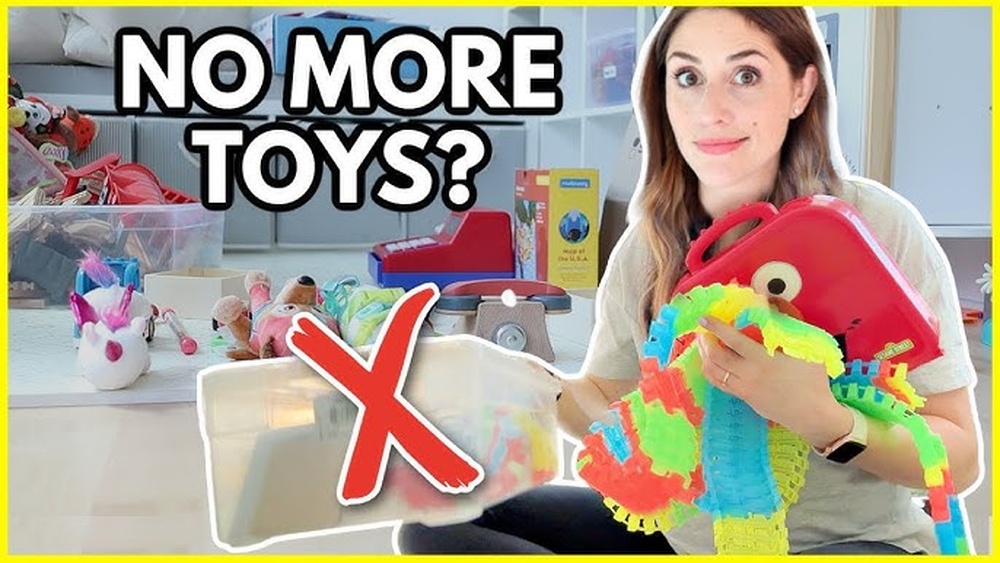
Are you staring at piles of your kids’ toys wondering if it’s time to clear them all out? You’re not alone.
Toys can quickly take over every corner of your home, making it hard to find space and peace. But the question is, can you really get rid of all those toys without feeling guilty or causing upset? You’ll discover smart ways to decide what to keep, what to let go, and how to make the process easier for both you and your kids.
Keep reading—you might just find the answer that brings calm back to your home.
Benefits Of Decluttering Kids Toys
Decluttering kids’ toys brings many benefits to your home and family. It helps create a cleaner, safer space for children to play. Removing excess toys makes daily life easier and less chaotic. Kids also learn valuable habits through this process.
Less clutter means more room to move around. It also makes cleaning faster and less tiring. Decluttering teaches kids to care for their belongings and stay organized.
Creating More Space
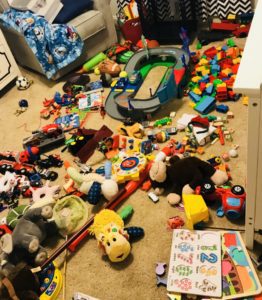
Removing unused toys opens up more space in your home. Kids get a bigger area to play and explore. It can make rooms look larger and less crowded. Extra space also allows for new activities and creativity.
Reducing Stress And Clutter
Too many toys create mess and stress for parents and kids. Clutter can make it hard to find favorite toys quickly. A tidy room feels calmer and more relaxing. Less clutter helps everyone focus and enjoy playtime more.
Teaching Kids Organization
Decluttering is a chance to teach kids about organizing. Kids learn to sort toys by type or size. They understand the value of keeping things neat. This skill helps them in school and daily life later.
Credit: thelafayettemom.com
Signs It’s Time To Declutter
Knowing when to declutter your child’s toys can make your home feel calmer and more organized. Toys can pile up quickly. Over time, this can cause stress for both parents and kids.
Decluttering is not about throwing everything away. It means keeping what truly matters and letting go of what does not. Here are some clear signs that it might be time to sort through the toys.
Toys Not Played With
Look for toys your child has not touched in months. These often lose their fun and value. Holding on to them can create clutter and confusion. Removing unused toys frees space for favorites.
Overcrowded Play Areas
Too many toys in one area can make playtime stressful. Kids may feel overwhelmed by the mess. A crowded space can stop creativity and fun. Clearing out toys helps create a calm, inviting play zone.
Difficulty Finding Favorite Toys
Struggling to find a special toy is a common problem. It happens when too many toys mix together. This can lead to frustration for both kids and parents. Organizing and removing extras makes favorites easier to find.
Preparing For Toy Decluttering
Preparing to declutter your kids’ toys is a good first step. It helps avoid stress and keeps the process smooth. Planning what to do makes the task easier and more effective.
Clear goals, involving children, and having the right supplies make a big difference. These steps help keep everyone on the same page and make sorting faster.
Setting Realistic Goals
Start by setting small and clear goals. Decide how many toys to sort each day. Focus on one room or one box at a time. This stops the task from feeling too big.
Choose goals that fit your schedule and energy. Simple goals help you stay motivated and finish faster.
Involving Your Kids
Ask your children to help with the decluttering. Let them pick toys to keep or give away. This teaches them about sharing and decision-making.
Make it fun by turning sorting into a game. Praise their choices and teamwork. This way, they feel part of the process.
Gathering Supplies
Collect boxes, bags, and markers before you start. Use boxes for toys to keep, donate, or throw away. Mark each box clearly to avoid confusion.
Have cleaning wipes and trash bags ready. This helps clean toys and throw away broken pieces quickly.
Effective Sorting Methods
Sorting kids’ toys can feel like a big task. Effective methods make it easier and faster. They help decide what to keep, give away, or throw out. A clear plan reduces stress and clutter.
Sorting also teaches kids about organization and making choices. It creates a clean space for play and learning. Use simple methods to sort toys thoughtfully.
Categorizing By Type Or Size
Group toys by what they are or how big they are. For example, put all cars in one pile and all dolls in another. Or separate small toys from large ones. This helps see what you have. It makes sorting quicker and more organized.
Using The Keep, Donate, Toss System
Create three piles for each toy: keep, donate, and toss. Keep toys your child still uses and loves. Donate toys in good condition but no longer played with. Toss broken or unsafe toys. This system is simple and clear.
Handling Sentimental Items
Some toys hold special memories. Decide which ones are truly important. Keep a few that mean the most to your child or family. Take photos of others to save memories without keeping the toys. This respects feelings while reducing clutter.
Donating And Recycling Toys
Donating and recycling toys helps clear space and supports others. It gives toys a second life and reduces waste. Many families and organizations welcome gently used toys. Recycling also keeps broken toys from harming the environment. Understanding how to donate and recycle is key to making this process easy and safe.
Finding Local Donation Centers
Start by checking nearby charity shops and shelters. Some places accept only new toys, so ask first. Schools and daycare centers often take toy donations. Community centers may also run toy drives. Use local websites or social media to find centers. Drop off toys during their open hours. Donating locally helps kids in your own community.
Toy Recycling Options
Toy recycling programs accept old or broken toys. These programs separate plastic, metal, and electronic parts. Some stores have drop-off bins for toy recycling. Contact your city’s waste management for toy recycling details. Recycling prevents toys from filling landfills. It also recovers materials to make new products.
Ensuring Safety And Cleanliness
Clean toys before donating or recycling. Use mild soap and water for plastic and fabric toys. Avoid harsh chemicals that can harm children. Check for broken or sharp parts and fix or remove them. Remove batteries from electronic toys. Only donate toys in good condition. Safety ensures toys bring joy, not harm.
Maintaining A Clutter-free Toy Space
Keeping a toy area tidy helps children enjoy their playtime more. A clutter-free space lowers stress and makes cleaning easier. It also teaches kids to be responsible for their things. Small steps lead to big changes in managing toys daily.
Setting Toy Limits
Decide how many toys your child can keep out. This helps avoid piles of toys everywhere. Choose favorites and store the rest away. When new toys arrive, remove some old ones. Limits create order and make playtime focused.
Regular Toy Rotation
Switch toys every few weeks to keep interest alive. This stops toys from being forgotten or ignored. Store some toys out of sight for a while. Rotate them back to refresh your child’s excitement. Rotation reduces clutter and keeps play fresh.
Creating Storage Solutions
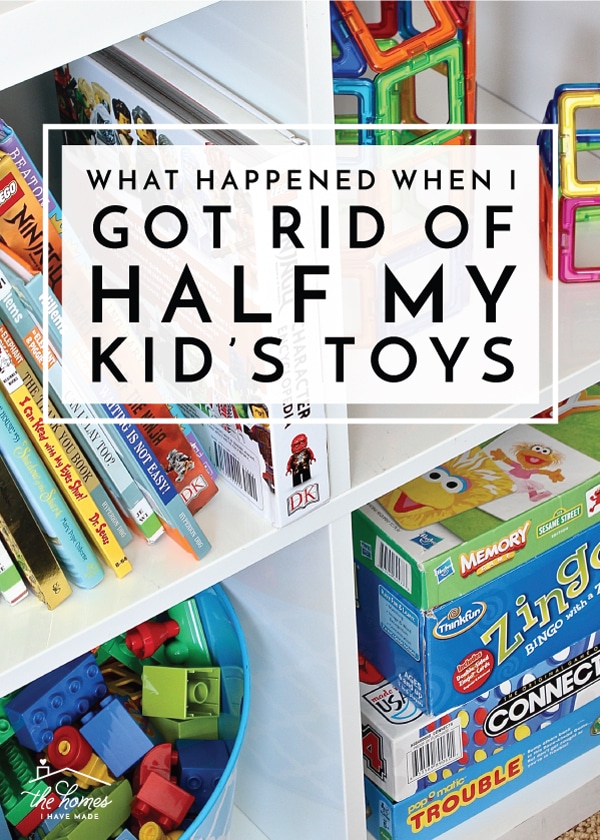
Use bins, shelves, and boxes to organize toys. Label containers with pictures or words for easy finding. Low shelves help children reach toys by themselves. Clear storage keeps toys visible and neat. Smart storage makes cleanup faster and simpler.
Dealing With Emotional Attachments
Dealing with emotional attachments is a big part of sorting through kids’ toys. Toys often hold special memories for both parents and children. Letting go can feel hard and sad. Understanding these feelings helps make the process easier.
Children connect toys to happy times, friends, or family moments. Parents may feel guilty or worried about throwing things away. Recognizing these feelings is the first step to moving forward.
Talking With Your Kids
Start by having a calm talk with your children. Ask them which toys they love most. Listen carefully to their feelings and stories about each toy. This helps your child feel heard and respected.
Explain why you want to clear some space. Share that keeping too many toys can be confusing or messy. Encourage your child to choose a few favorites to keep. This makes the decision easier for both of you.
Keeping Special Keepsakes
Keep a few special toys that mean a lot to your child. These can be first toys or gifts from loved ones. Saving these keepsakes helps preserve important memories. It also shows your child their feelings matter.
Choose items that bring joy or remind you of happy times. Avoid keeping too many to prevent clutter. A small collection of special toys feels more meaningful.
Creating Memory Boxes
Memory boxes are a great way to store favorite toys and mementos. Use a small box or container for each child. Let them decorate the box to make it personal and fun.
Include photos, drawings, or notes along with toys. This creates a treasure chest of memories. Your child can open the box anytime to remember good times.
Credit: thehomesihavemade.com
Preventing Future Toy Overload
Preventing future toy overload helps keep your home tidy and your child happy. It stops clutter from building up again. Teaching good habits early makes a big difference. Your child learns to value toys and space. Here are some ways to avoid too many toys in the future.
Smart Toy Shopping Habits
Buy toys with a clear purpose. Choose toys that encourage creativity or learning. Avoid buying toys just because they are cheap or trendy. Check if your child really needs or wants the toy. Focus on quality over quantity. This helps reduce waste and clutter.
Encouraging Experiences Over Stuff
Give your child experiences instead of more toys. Trips to the park, museums, or crafts can be fun. These moments create lasting memories and skills. Experiences teach more than toys can. Kids often value time spent with family more than new things.
Establishing Gift Guidelines
Set clear rules for gift giving with family and friends. Ask for fewer or smaller toys during birthdays and holidays. Suggest practical or educational gifts instead. Share your toy limits kindly with loved ones. This helps everyone understand and support your goals.

Credit: www.youtube.com
Frequently Asked Questions
Can I Throw Away All My Kids’ Toys At Once?
It’s not recommended to discard all toys simultaneously. Gradually remove items to avoid overwhelming your child and maintain comfort. Sort toys by use and condition before deciding what to keep, donate, or recycle. This approach supports emotional adjustment and effective decluttering.
How To Decide Which Toys To Keep Or Discard?
Keep toys your child frequently plays with and those that encourage learning or creativity. Discard broken, unsafe, or outdated toys. Involve your child in the decision to promote responsibility and ensure the kept toys have sentimental or practical value.
What Are The Best Ways To Donate Unused Kids’ Toys?
Donate toys in good condition to local shelters, schools, or charity shops. Check their guidelines for acceptable items. Clean toys thoroughly before donating. This helps reduce waste and benefits children in need, fostering community support and sustainability.
Can Getting Rid Of Toys Improve My Child’s Behavior?
Yes, reducing toy clutter can enhance focus and reduce overstimulation. A simpler environment encourages creativity and better play quality. However, balance is key to avoid feelings of loss or boredom. Monitor your child’s response and adjust accordingly.
Conclusion
Getting rid of all kids’ toys can feel overwhelming. Start by choosing which toys to keep and which to give away. Remember, kids need some toys for play and learning. Donate toys in good condition to help others. Avoid throwing everything away at once.
Keep a few favorites to avoid stress. This way, your home stays tidy and kids stay happy. Taking small steps makes the process easier. You can create a balanced, clutter-free space for your family.
