

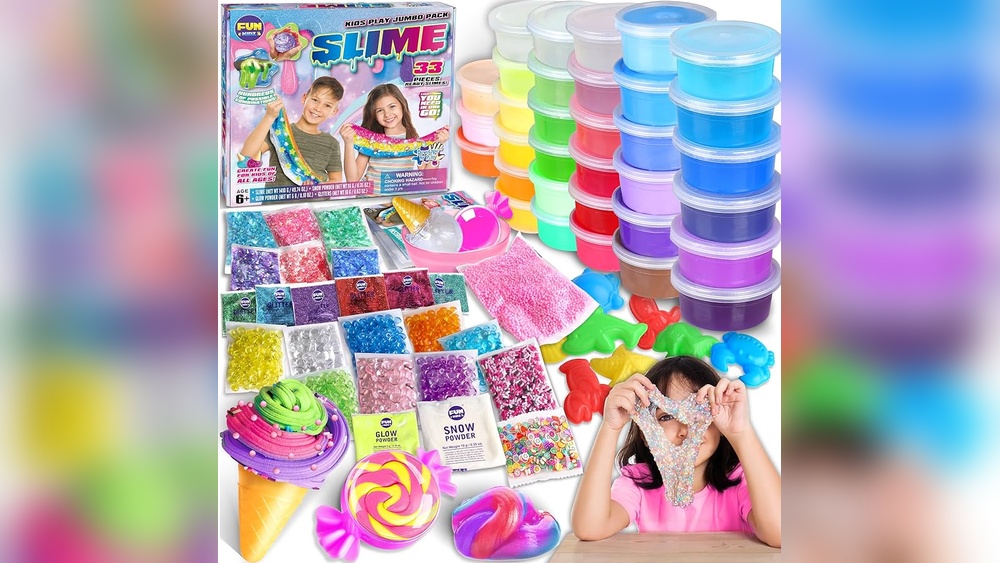
Slime stuck on your kids’ toys can be frustrating to clean and might even ruin their favorite playthings. You want your children to enjoy their toys without the mess or worry about germs hiding beneath that sticky goo.
What if you could get rid of slime quickly and easily without damaging the toys? You’ll discover simple, effective methods to remove slime from all kinds of kids’ toys. Keep reading to find out how to restore those toys to their clean, slime-free state—your kids will thank you!

Credit: www.amazon.com
Causes Of Slime On Toys
Slime can appear on kids’ toys for many reasons. It often sticks to toys during playtime. Kids love playing with slime, and it can transfer easily. Understanding why slime gets on toys helps keep them clean. Knowing the causes also prevents slime buildup in the future.
Common Sources Of Slime
Slime usually comes from direct contact with slime play kits. Kids often mix slime with their toys. Sometimes slime is left on hands and then spread to toys. Outdoor play can bring dirt and slime together on toys. Sticky hands and slime jars are common ways slime spreads.
Types Of Toys Affected
Toys made of plastic attract slime easily. Soft toys with fabric can trap slime inside. Small parts on toys hold slime in cracks and crevices. Building blocks and action figures often get slime on them. Toys stored near slime kits face higher slime risks.
Safety Precautions Before Cleaning
Cleaning slime off kids’ toys needs care and attention. Safety is the top priority before starting. Some toys can get damaged by water or strong cleaners. Others may have small parts that need gentle handling. Taking safety steps helps protect both the toy and your child.
Checking Toy Material
Check what the toy is made of first. Plastic toys handle water better than paper or fabric ones. Soft toys might need special cleaning methods. Look for labels or instructions on the toy. Avoid soaking toys with batteries or electronics inside.
Using Child-safe Cleaning Products
Choose cleaning products safe for children. Avoid harsh chemicals that can irritate skin or eyes. Mild soap and warm water usually work well. Use natural cleaners like vinegar diluted with water if needed. Always rinse toys thoroughly to remove any residue.
Quick Removal Methods
Removing slime from kids’ toys can be quick and simple. Use easy household items for fast cleaning. These methods save time and avoid damage to the toys. Follow the steps below for quick slime removal.
Using Warm Water And Soap
Start by rinsing the toy under warm water. Warm water helps loosen the slime. Add a few drops of mild soap to a cloth or sponge. Gently scrub the slime off the toy’s surface. Use a soft brush for small crevices. Rinse the toy again with warm water. Dry the toy completely before giving it back to your child.
Applying Vinegar Solution
Mix equal parts white vinegar and warm water in a bowl. Dip a cloth or sponge into the solution. Rub the slime-covered areas gently with the vinegar cloth. Vinegar breaks down the slime’s sticky texture. Let the solution sit for a few minutes if slime is stubborn. Rinse the toy well with warm water afterward. Dry the toy fully before use.
Deep Cleaning Techniques
Deep cleaning techniques help remove slime stuck on kids’ toys. These methods go beyond surface cleaning. They reach into tiny cracks and grooves. This ensures toys are safe and clean for children to play with again. Simple household items can work well for this task. Two effective options are baking soda paste and rubbing alcohol. Both break down slime without damaging toys.
Baking Soda Paste
Baking soda paste is easy to make and gentle on toys. Mix baking soda with a small amount of water. Stir until it forms a thick paste. Apply the paste to the slime-covered areas using a soft cloth or toothbrush. Let it sit for 10 to 15 minutes. Then, scrub gently to lift the slime away. Rinse the toy with warm water and dry it well. Baking soda also helps remove odors from toys.
Rubbing Alcohol Application
Rubbing alcohol works well to dissolve sticky slime. Pour a small amount onto a cotton ball or cloth. Dab the slime spots carefully without soaking the toy. Rub gently in circular motions. The slime will start to loosen and lift. Use a damp cloth to wipe off the dissolved slime. Make sure the toy dries completely before giving it back to kids. Avoid using rubbing alcohol on toys with painted surfaces, as it may cause damage.
Cleaning Different Toy Types
Different types of toys need different cleaning methods to remove slime effectively. Knowing how to clean each toy type keeps them safe and looking good. This section explains simple ways to clean plastic, fabric, and electronic toys from slime.
Plastic Toys
Plastic toys are easy to clean. Use warm water and mild soap. Soak the toy for a few minutes. Rub the slime gently with a soft cloth or sponge. Avoid harsh scrubbing to prevent scratches. Rinse well and dry with a clean towel.
Fabric Toys
Fabric toys need gentle care. Check the label for washing instructions. Use a soft brush or cloth to remove slime. Dab with a mixture of water and mild detergent. Avoid soaking if the toy has stuffing inside. Let it air dry completely before use.
Electronic Toys
Electronic toys require careful cleaning. Do not soak in water. Use a damp cloth with a small amount of soap. Wipe the slime off carefully. Use cotton swabs for small crevices. Dry the toy immediately to avoid damage.

Credit: gardencenterlanes.com
Preventing Future Slime Build-up
Preventing future slime build-up on kids’ toys saves time and keeps play areas clean. Small steps help stop slime from sticking and spreading. A good plan includes storing toys right and cleaning them often. These habits protect toys and make playtime more fun.
Proper Toy Storage
Keep toys in sealed containers or bags. This stops slime dust or sticky bits from reaching them. Use plastic bins with lids to keep toys dry and clean. Store toys in a cool, dry place away from sunlight. This helps prevent slime from melting or sticking.
Regular Cleaning Routine
Clean toys after each play session. Use warm water and mild soap to remove slime traces. Dry toys completely before putting them away. Regular cleaning stops slime from building up and hardening. It also keeps toys fresh and safe for kids.
When To Seek Professional Help
Sometimes, slime stains on kids’ toys need more than home cleaning tricks. Knowing when to ask for expert help saves time and avoids damage. Professionals have the right tools and skills to clean toys safely.
Toys With Delicate Parts
Toys with small, fragile parts need careful handling. Slime stuck in joints or tiny spaces can break the toy if cleaned roughly. Experts use gentle methods that protect delicate areas while removing slime. They understand how to clean without causing harm.
Persistent Stains
Slime that stays after many attempts can be tough to remove. Professionals use special cleaners that work on stubborn slime stains. They also know how to avoid damage from strong chemicals. Persistent stains need expert attention for a thorough clean.
Credit: www.kmart.com
Frequently Asked Questions
How Can I Safely Remove Slime From Plastic Toys?
Use warm soapy water and a soft cloth to wipe the slime off. Avoid harsh chemicals to protect the plastic surface. For stubborn slime, gently scrub with a toothbrush. Rinse thoroughly and dry the toy completely before use.
What Household Items Remove Slime From Kids’ Toys?
Vinegar, baking soda, and rubbing alcohol effectively break down slime. Apply vinegar or rubbing alcohol on a cloth and rub the slime. Baking soda mixed with water forms a paste to scrub the slime away. Always rinse and dry toys afterward.
Can Slime Stains Be Cleaned From Fabric Toys?
Yes, treat fabric toys with a mixture of mild detergent and water. Gently blot the slime stain using a clean cloth. Avoid rubbing to prevent spreading. For tough stains, use a stain remover safe for fabrics and wash as directed.
Is It Safe To Use Bleach On Toys With Slime?
Bleach is not recommended as it can damage toys and harm children. Opt for milder cleaning agents like soap, vinegar, or rubbing alcohol. Always test cleaning solutions on a small area before full application to ensure safety.
Conclusion
Removing slime from kids’ toys is easier than it seems. Use household items like warm water and soap. Gently scrub toys to avoid damage. Act quickly to stop slime from sticking hard. Dry toys well before letting kids play again.
Clean toys regularly to keep them safe and fun. These simple steps save time and stress. Keep your child’s play area clean and slime-free. Happy kids, happy parents!
