

Have you ever noticed how your child’s excitement fades quickly, even with a room full of toys? It might surprise you, but having fewer toys could actually make your kids happier.
Imagine your child playing more, focusing better, and feeling more joy with less clutter around. If you want to understand why cutting down on toys can boost your child’s happiness and how to make it work for your family, keep reading.
This simple change might be the key to a more joyful childhood for your kids—and less stress for you.
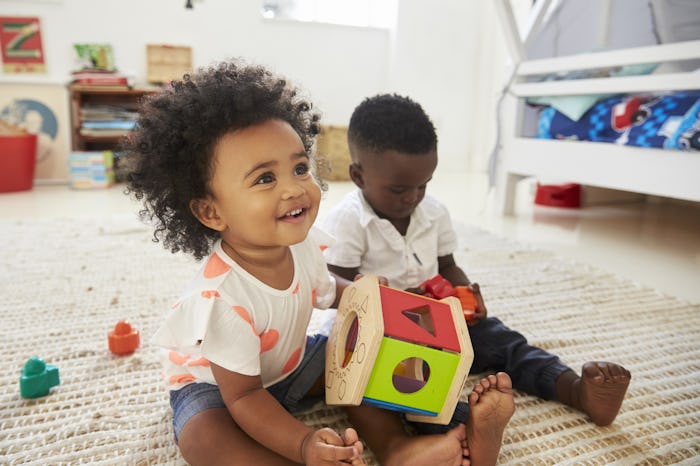
Credit: www.romper.com
Toy Overload And Its Effects
Toy overload happens when kids have too many toys at once. This can cause problems for their growth and happiness. Instead of fun, too many toys create distraction and confusion. Kids may struggle to focus or feel calm. Understanding these effects helps parents make better toy choices.
How Excess Toys Impact Attention
Too many toys can make it hard for kids to pay attention. They switch from one toy to another quickly. This constant change stops them from playing deeply. Focus is important for learning and creativity. When attention fades, kids miss out on these benefits.
Stress And Overstimulation In Kids
Having many toys can cause stress in children. Their brains work hard to process all the sights and sounds. This overstimulation leads to tiredness and irritability. Kids may feel overwhelmed and less happy. A simple environment helps children feel safe and calm.

Credit: www.happysimplemom.com
Benefits Of Fewer Toys
Having fewer toys can bring many benefits to children. It helps them enjoy their playtime more and grow in healthy ways. Kids can focus better, think more, and use their imagination freely without too many distractions. Simple play can lead to big learning moments.
Boosting Creativity Through Simplicity
Simple toys allow children to think outside the box. They use what they have to create new games and stories. Less clutter means more room for ideas to grow. Kids learn to solve problems and build new things on their own.
Encouraging Imaginative Play
With fewer toys, children make up their own adventures. A block can be a car, a house, or a spaceship. Imaginative play helps kids express their feelings and understand the world. It also builds social skills when they play with others.
Improved Focus And Patience
Fewer toys reduce distractions and help kids concentrate. They learn to play longer with one toy and enjoy it more. This practice builds patience and attention span. Children also develop a sense of care for their belongings.
Emotional Well-being And Toy Quantity
Children’s emotional health links closely to how many toys they own. Too many toys can overwhelm young minds. This excess may distract them from feeling satisfied and calm. Fewer toys often help kids focus better on what they have. This focus can boost their happiness and emotional balance. The right amount of toys encourages positive feelings and less stress.
Building Gratitude And Contentment
Having fewer toys teaches children to appreciate each item. They learn to value what they own, not what they want. This helps build gratitude, a key emotion for happiness. When kids cherish their toys, they feel more content. Contentment grows as they enjoy simple pleasures. Gratitude and contentment support strong emotional well-being in children.
Reducing Anxiety And Frustration
A large number of toys can cause anxiety in children. Too many choices confuse and overwhelm their small minds. This confusion can lead to frustration and stress. Fewer toys create a calm and clear play environment. Kids find it easier to decide and focus on one toy. This focus lowers anxiety and helps them feel peaceful.
Social Skills And Interaction
Children develop social skills through play and interaction. Fewer toys often mean kids focus more on playing together. This encourages sharing and teamwork, which are key for strong social bonds.
Promoting Cooperative Play
With fewer toys, children must work together to create fun. They share ideas and roles, learning to cooperate. This type of play helps kids solve problems as a team. It also builds patience and respect for others’ feelings.
Enhancing Communication Skills
Playing with fewer toys encourages children to talk more. They explain their thoughts and listen to friends. This back-and-forth improves language and understanding. Clear communication helps kids express themselves better every day.
Practical Tips For Parents
Parents often wonder how to keep their kids happy with fewer toys. The key lies in smart choices and simple habits. Practical tips can guide parents to create a joyful playtime without overwhelming children.
These tips help kids enjoy toys more and develop creativity. Less clutter means more focus and fun. Below are some easy ways parents can help.
Choosing Quality Over Quantity
Pick toys that last longer and offer more play options. Quality toys often spark imagination and learning. Avoid buying many cheap toys that break quickly. One well-made toy can bring hours of joy. This approach helps kids value what they have.
Rotating Toys For Engagement
Keep some toys out of sight and swap them regularly. Rotating toys makes old toys feel new again. This practice prevents boredom and keeps children interested. It also reduces mess by limiting toys in use. Kids stay curious and excited about playtime.
Involving Kids In Toy Selection
Ask children which toys they like and why. This helps them feel involved and respected. Kids learn to make choices and appreciate their toys more. It also prevents buying toys that will be ignored. Parents can guide kids to pick toys that match their interests.

Credit: www.mother.ly
Long-term Impact On Development
Having fewer toys can shape a child’s growth in important ways. It affects how kids learn and develop skills over time. Less clutter lets children focus better and explore their creativity more deeply. This section looks at two key areas: independence and problem-solving.
Fostering Independence
With fewer toys, children learn to use what they have. They become less dependent on adults to entertain them. Kids find new ways to play and enjoy their time alone. This builds confidence and helps them feel capable. They start making choices and solving small challenges by themselves.
Encouraging Problem-solving Abilities
Limited toys mean kids must think more during play. They create stories and scenarios to keep games interesting. This practice boosts their ability to solve problems. Children experiment with ideas and test solutions. These skills carry over to school and everyday life.
Frequently Asked Questions
Why Do Kids Enjoy Fewer Toys More?
Kids enjoy fewer toys because it reduces overwhelm. They focus better and engage deeply with each toy. This boosts creativity and satisfaction. Having fewer options encourages imaginative play and stronger emotional connections to toys, leading to greater happiness.
How Do Fewer Toys Affect Child Development?
Fewer toys foster creativity and problem-solving skills. Kids learn to invent new uses for their toys. It also improves focus and patience. This minimalist approach supports emotional growth by teaching contentment and reducing distraction.
Can Fewer Toys Improve Kids’ Social Skills?
Yes, fewer toys encourage sharing and cooperation. Kids often play together more when toys are limited. This promotes communication, teamwork, and empathy. Limited toys help children appreciate group play and develop stronger social bonds.
Is Less Toy Clutter Better For Kids’ Mental Health?
Less clutter reduces stress and sensory overload. A tidy environment helps kids feel calm and secure. It also promotes better sleep and concentration. Minimal toys support emotional well-being by creating a peaceful play space.
Conclusion
Kids often enjoy toys more when they have fewer choices. Too many toys can cause distraction and less focus. Simple play helps children use their imagination better. Sharing and caring grow when toys are limited. Parents can save money and reduce clutter.
A small collection of toys can bring lasting joy. Quality matters more than quantity for happy kids. Choosing fewer toys supports calm and creative play. This approach helps children learn and have fun. Less really can be more for a happy childhood.
