

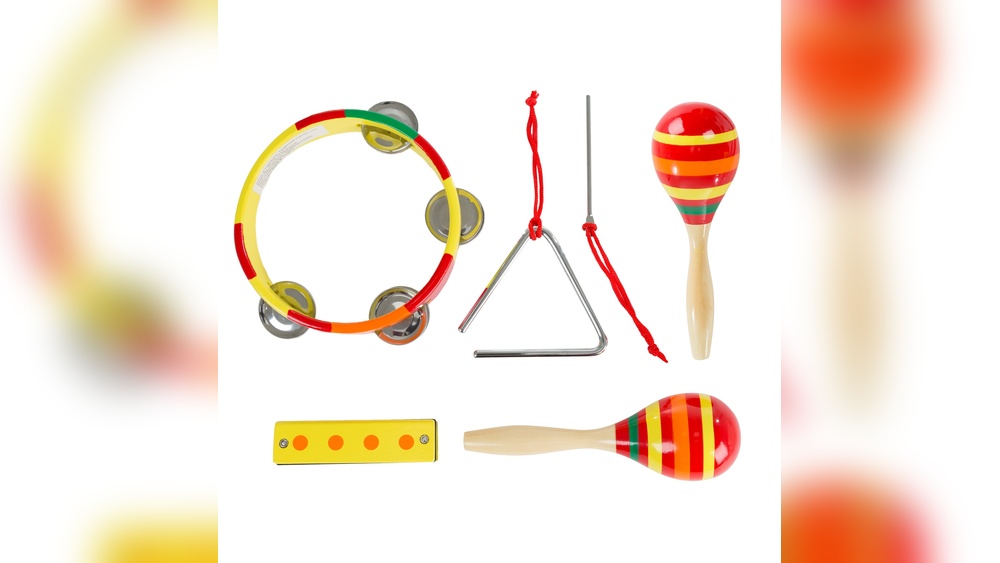
Have you ever noticed how a simple melody can light up a child’s face? Musical toys for kids do more than just entertain—they spark creativity, boost learning, and make playtime unforgettable.
If you want to discover how these fun tools can help your child grow and develop important skills, keep reading. You’ll learn what musical toys are, why they matter, and how to choose the best ones for your little musician.
Let’s dive in and explore the magic behind musical toys for kids!
Benefits Of Musical Toys
Musical toys offer more than just fun sounds. They help children grow in many ways. Playing with these toys supports brain development and learning. Kids explore new ideas while enjoying music and rhythm.
These toys also improve important skills. Kids learn to use their hands and fingers better. They discover how to work with others. Musical toys create a rich learning environment at home or school.
Boosting Creativity
Musical toys spark children’s imagination. They try different sounds and beats. This play helps kids think of new ideas. Children express feelings through music. Creativity grows as they experiment freely.
Enhancing Motor Skills
Using musical toys requires hand and finger movement. Kids develop better control and coordination. Playing instruments improves fine motor skills. These skills help in writing and daily tasks. Musical toys provide fun ways to practice movement.
Encouraging Social Interaction
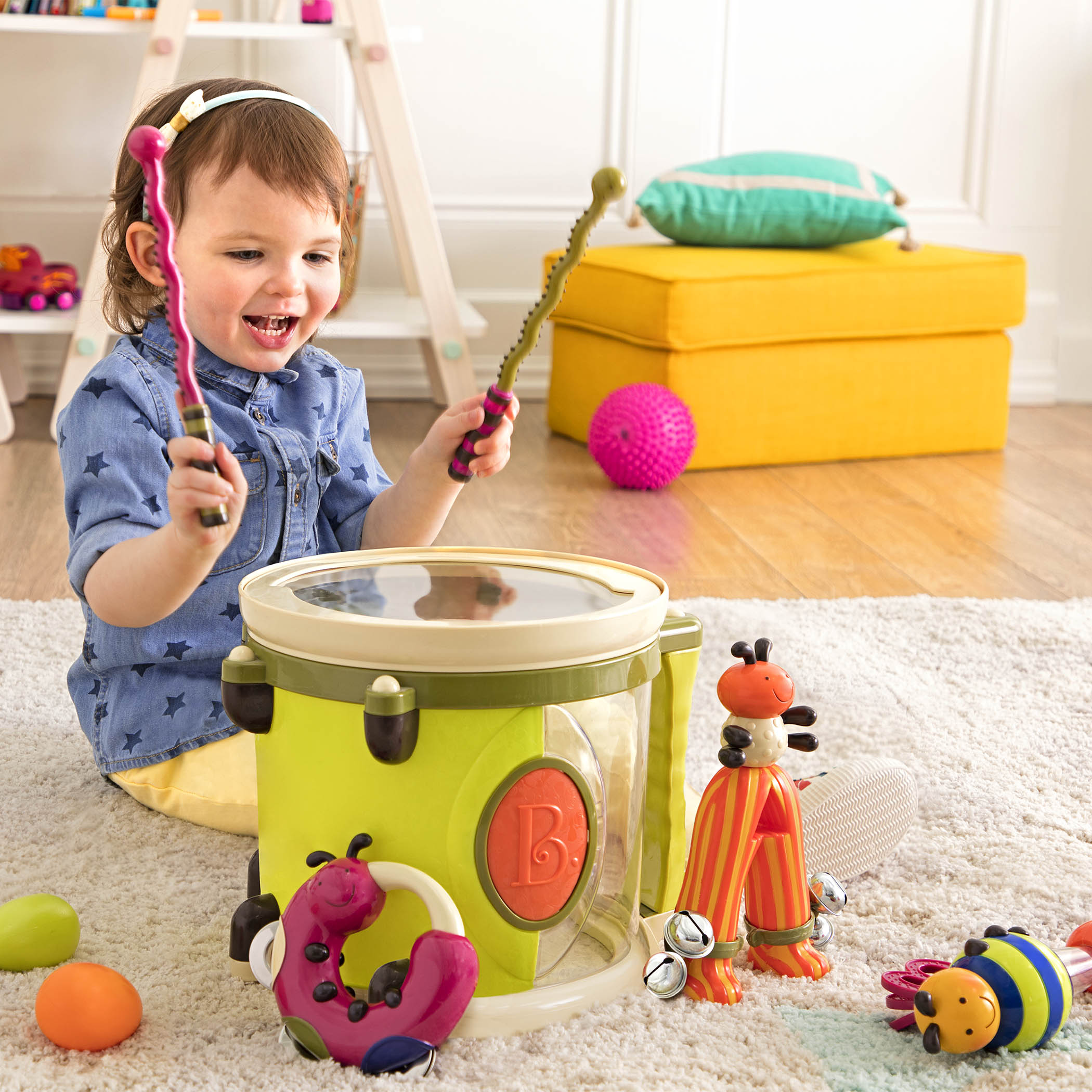
Musical toys invite kids to play together. They learn to share and take turns. Group play builds communication skills. Children feel more confident around others. Music brings kids closer and creates friendships.
Credit: mybtoys.com
Popular Types Of Musical Toys
Musical toys help children explore sounds and develop creativity. They come in many types, each offering unique ways to play and learn. These toys encourage rhythm, melody, and coordination. Kids enjoy experimenting with different instruments and making their own music.
Percussion Instruments
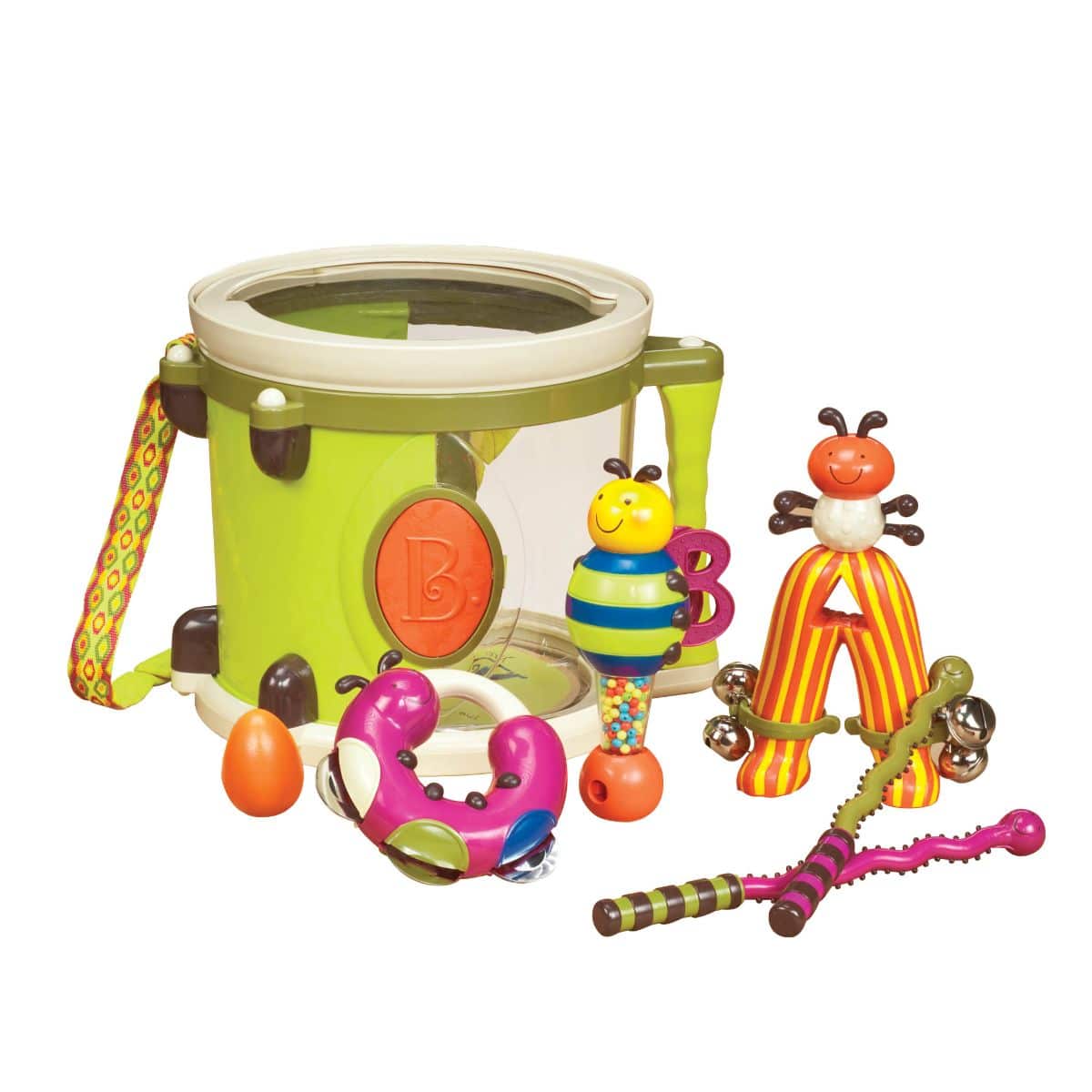
Percussion toys include drums, tambourines, and maracas. Children tap, shake, or hit these to create rhythms. These instruments help develop hand-eye coordination and timing. They are simple to use and fun for all ages.
Keyboard Toys
Keyboard toys have piano-like keys that children press to play notes. These toys introduce kids to melodies and basic music theory. They often come with colorful lights and sounds. Keyboard toys support finger strength and musical memory.
Wind Instruments
Wind toys include small flutes, harmonicas, and trumpets. Kids blow air into them to produce sounds. These toys improve breath control and lung strength. Playing wind instruments helps children learn about pitch and tone.
Electronic Music Makers
Electronic toys allow kids to create music using buttons and screens. They offer various sounds and beats to mix. These toys encourage experimentation with music styles. Electronic makers support creativity and tech skills.
Choosing The Right Toy
Choosing the right musical toy for kids is important. The right toy can bring joy and learning together. It should match the child’s needs and abilities. This helps the child enjoy music safely and learn new skills.
Age Appropriateness
Choose a toy that fits the child’s age. Toys made for toddlers differ from those for older kids. Age-appropriate toys match the child’s size and skill level. This prevents frustration and keeps playtime fun. Check the label for age recommendations before buying.
Safety Features
Safety is a top priority for musical toys. Look for toys made with non-toxic materials. Avoid small parts that a child can swallow. Rounded edges reduce the risk of cuts. Make sure batteries are secure and cannot be reached easily.
Educational Value
Good musical toys teach more than just sound. They help develop motor skills and hand-eye coordination. Some toys introduce rhythms and basic music notes. Others encourage creativity and listening skills. Pick toys that support learning through play.
Credit: www.target.com
Incorporating Musical Toys In Playtime
Incorporating musical toys in playtime helps children explore sounds and rhythms. These toys bring joy and learning together. Playtime becomes more creative and fun. Kids develop skills like listening, coordination, and expression through music.
Creating Music Sessions
Set up regular music sessions using different musical toys. Let children choose instruments and explore their sounds. Play simple songs or rhythms together. Encourage kids to try new beats and melodies. These sessions boost confidence and creativity.
Combining With Other Activities
Mix musical toys with drawing, dancing, or storytelling. For example, play a drum beat while kids draw pictures. Use a xylophone to add sounds to a story. This combination makes playtime more exciting and varied. It helps kids connect music with other skills.
Encouraging Group Play
Invite friends or siblings to join music play. Group play teaches sharing and teamwork. Kids learn to listen and follow others’ rhythms. Playing music together creates a sense of belonging. It also improves social and communication skills.
Tips For Parents And Educators
Musical toys offer a fun way for kids to learn and grow. Parents and educators play a key role in guiding children’s musical play. They can help kids enjoy these toys safely and learn new skills. The tips below support a healthy and creative musical experience.
Guiding Exploration
Encourage children to try different sounds and rhythms. Let them explore freely without strict rules. Offer simple ideas to start, like tapping a drum or shaking a rattle. Praise their efforts and creativity. This builds confidence and interest in music.
Balancing Screen Time
Musical toys are best when used away from screens. Limit the use of digital devices during playtime. Choose toys that make real sounds and encourage movement. This helps kids focus and enjoy music more deeply. Physical interaction boosts learning and development.
Supporting Skill Development
Pick musical toys that match a child’s age and skills. Start with basic instruments to teach rhythm and coordination. Gradually introduce more complex toys to challenge them. Use music play to improve listening and concentration. Celebrate small achievements to keep motivation high.
Credit: mybtoys.com
Frequently Asked Questions
What Are Musical Toys For Kids?
Musical toys for kids are playthings that produce sounds or music. They help develop creativity, rhythm, and motor skills. These toys engage children in interactive learning through music and sounds.
How Do Musical Toys Benefit Child Development?
Musical toys enhance cognitive skills, improve memory, and boost coordination. They promote language growth and emotional expression. Playing music encourages creativity and social interaction among children.
What Types Of Musical Toys Are Suitable For Toddlers?
Toddlers benefit from simple instruments like drums, xylophones, and shakers. These toys are safe, colorful, and easy to handle. They stimulate auditory senses and fine motor skills effectively.
Are Musical Toys Safe For Young Children?
Yes, most musical toys are designed with child safety in mind. They use non-toxic materials and have no small parts. Always check age recommendations and safety certifications before purchase.
Conclusion
Musical toys help kids learn and have fun at the same time. They improve creativity, focus, and coordination. Kids enjoy making sounds and exploring music. Parents find these toys useful for early education. Choosing the right toy can support a child’s growth.
Playing with musical toys builds confidence and joy. These toys bring music and learning together easily. A simple toy can spark a lifelong love of music.
