

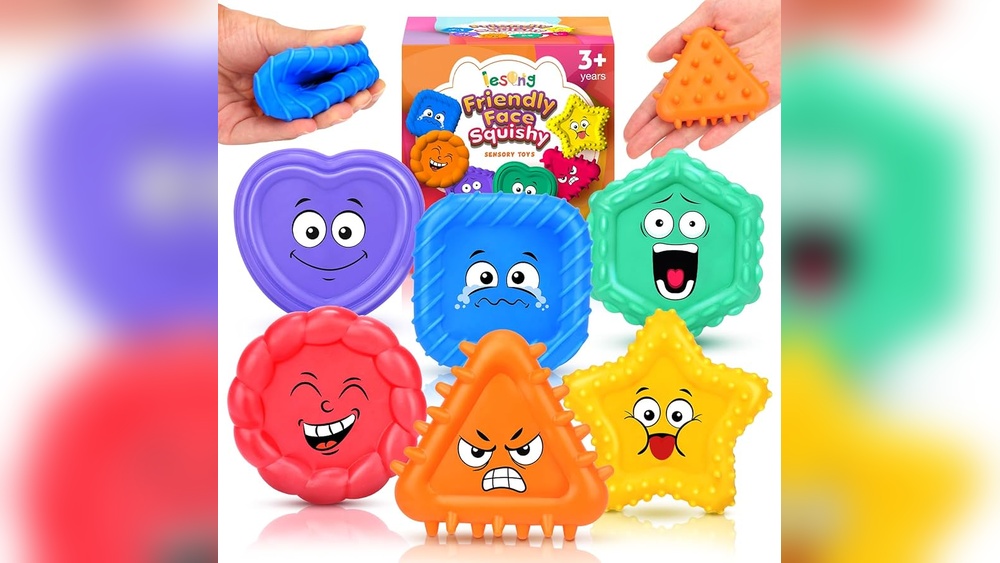
Have you ever wondered how the toys your child plays with do more than just entertain? Toys are powerful tools that shape your child’s emotions and help them understand the world around them.
When your child plays, they’re not just having fun—they’re learning how to express feelings, solve problems, and build confidence. Imagine giving your child the right toys that unlock these hidden emotional benefits. Keep reading to discover how simple playtime can transform your child’s emotional growth in ways you might never have expected.

Credit: bighearttoys.com
Role Of Toys In Emotional Growth
Toys play a big part in how children learn to understand their feelings. Through play, kids explore emotions in a safe and fun way. Toys help children face different situations and practice their emotional skills. This process supports emotional growth and helps kids build strong feelings for themselves and others.
Using toys, children can act out stories and experiences. This helps them see how others feel. They learn to recognize emotions and respond with care. Toys create a space where kids feel free to express themselves and grow emotionally.
Building Empathy Through Play
Role-playing with dolls or action figures teaches kids to see from others’ eyes. They imagine what friends or family might feel in different moments. This builds empathy, which is key to strong relationships. Toys encourage kindness and understanding by showing feelings in a clear way.
Expressing Feelings Safely
Toys give kids a safe place to show emotions like anger or sadness. Playing with soft toys or drawing sets helps children express feelings without fear. This safe expression stops feelings from building up inside. Kids learn healthy ways to handle strong emotions through play.
Boosting Confidence And Self-esteem
Completing puzzles or building blocks gives kids a sense of success. This builds confidence and pride in their abilities. Toys that challenge children help them try new things and feel brave. Positive play experiences grow self-esteem and encourage kids to keep learning.

Credit: www.amazon.com
Types Of Toys That Foster Emotions
Toys play a big role in helping children understand and express their feelings. Different types of toys encourage different emotional skills. Some toys help kids imagine and create stories. Others offer comfort or help children learn to work with friends. Choosing the right toys can support a child’s emotional growth in many ways.
Imaginative And Role-playing Toys
Imaginative toys invite children to pretend and explore emotions. Dolls, action figures, and dress-up clothes help kids act out feelings. They practice empathy by putting themselves in others’ shoes. Role-playing also builds confidence and helps kids manage emotions like fear or joy. These toys open up a world of emotional learning through play.
Comfort And Sensory Toys
Comfort toys like stuffed animals provide safety and calmness. They help children feel secure when upset or tired. Sensory toys, such as textured balls or soft blankets, stimulate touch and soothe nerves. These toys support emotional regulation and reduce stress. They teach kids how to calm themselves in tough moments.
Social And Cooperative Games
Games that require teamwork teach kids to share and cooperate. Board games and group activities encourage patience and turn-taking. Children learn to handle winning and losing with grace. These social toys build skills in communication and understanding others’ feelings. Playing together fosters healthy emotional connections and friendships.
How Play Encourages Emotional Skills
Play helps children build strong emotional skills. Through play, kids explore feelings and learn to express them. This process supports their emotional growth every day.
Playing with toys and friends creates situations where children face real emotions. They learn to control feelings and react in positive ways. This practice prepares them for social life and challenges.
Learning To Manage Emotions
Play teaches kids how to recognize their emotions. They start to understand feelings like joy, anger, or sadness. Toys help children express these emotions safely.
For example, role-playing with dolls or action figures lets children show feelings. They practice calming down after frustration. This skill is important for emotional balance.
Developing Patience And Resilience
Playing often requires waiting and trying again. Children learn patience by taking turns and following rules. They also build resilience by handling small failures during play.
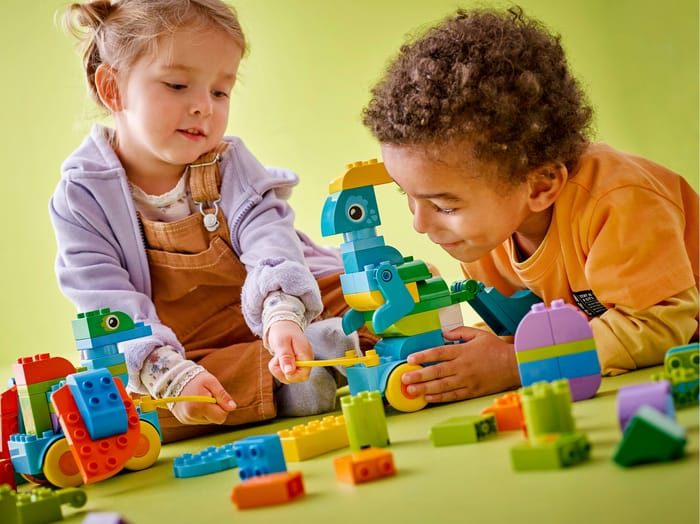
When a child’s block tower falls, they try to rebuild it. This effort teaches them to keep trying despite setbacks. Resilience grows through these simple play moments.
Enhancing Communication Abilities
Play encourages children to talk and listen. They use words to explain ideas and feelings. This exchange improves their language and social skills.
Group play helps kids practice sharing and cooperating. They learn to understand others’ emotions and respond kindly. Communication skills develop naturally through these interactions.
Credit: www.lego.com
Parental Role In Toy-based Emotional Growth
Parents play a key role in their child’s emotional growth through toys. Toys offer more than fun. They help children understand feelings and express them safely. Parents guide this learning by choosing the right toys and joining in play. Watching how kids react helps parents support emotional skills.
Choosing Age-appropriate Toys
Select toys that match your child’s age and skills. Toys too hard or too easy can cause frustration or boredom. Proper toys encourage confidence and joy. They help children learn emotions like sharing, patience, and empathy. Look for toys that invite imagination and role-play.
Engaging In Play Together
Play with your child often. Your presence makes play more meaningful. It shows children how to express feelings and solve problems. Talking during play helps kids name emotions. Sharing fun moments builds trust and emotional bonds.
Observing Emotional Responses
Watch how your child reacts during play. Notice smiles, frowns, or quiet moments. These signs reveal their feelings and needs. Use this information to support your child’s emotional growth. Encourage positive reactions and gently guide through difficult feelings.
Long-term Benefits Of Emotional Play
Emotional play with toys shapes a child’s future in many ways. It helps children learn how to understand and express feelings. This kind of play builds skills that last a lifetime. The benefits go beyond childhood and affect many parts of life.
Improved Relationships
Toys help kids practice sharing and caring. Playing with others teaches empathy and kindness. Children learn to recognize others’ feelings. These skills improve friendships and family bonds. Strong relationships make life happier and more stable.
Better Problem-solving Skills
Emotional play encourages thinking through feelings and actions. Kids learn how to handle challenges calmly. They practice making choices and understanding results. These experiences build smart problem-solving skills. Such skills help in school and daily life.
Increased Happiness And Wellbeing
Playing with toys that express emotions brings joy. It helps children feel safe and understood. This reduces stress and builds confidence. Happy children grow into adults with good mental health. Emotional play supports long-term happiness and balance.
Frequently Asked Questions
How Do Toys Improve Kids’ Emotional Intelligence?
Toys help children recognize and express their feelings. Role-playing toys encourage empathy and social skills. This builds emotional intelligence through fun and interaction.
Can Toys Reduce Childhood Anxiety And Stress?
Yes, toys provide comfort and distraction. Soft toys and sensory toys help children calm down. This supports emotional regulation and reduces stress effectively.
What Types Of Toys Boost Emotional Development?
Imaginative playsets, dolls, and puppets encourage emotional expression. Sensory and interactive toys also aid in understanding emotions. These toys foster creativity and emotional growth.
How Does Playing With Toys Enhance Social Skills?
Toys encourage cooperative play and sharing. Group activities teach communication and teamwork. These experiences build important social and emotional skills.
Conclusion
Toys play a big role in children’s emotional growth. They help kids learn to share and understand feelings. Playing with toys also builds confidence and problem-solving skills. Kids express themselves better through pretend play. Toys create chances for social interaction and bonding.
Choosing the right toys can support healthy emotional development. Parents and caregivers can guide children while playing. Simple toys often bring the most benefits. Giving kids time to play is very important. Emotional skills learned with toys help kids in life.
