

Your baby’s teething toys are always in their mouth, making them a hotspot for germs and bacteria. If you want to keep your little one safe and healthy, knowing how to clean these toys properly is a must.
But don’t worry—cleaning baby teething toys isn’t as tricky as it sounds. You’ll discover simple, effective ways to keep those toys fresh and germ-free. Keep reading to learn the easy steps that will protect your baby and give you peace of mind.

Credit: www.amazon.com
Choosing Safe Teething Toys
Choosing safe teething toys is important for your baby’s health. Babies put toys in their mouths often. Toys must be free from harmful chemicals and germs. Safe materials protect babies from choking hazards and toxins. Knowing which materials to avoid and which are best helps keep toys clean and safe.
Materials To Avoid
Avoid toys made with BPA, phthalates, and lead. These chemicals can harm your baby’s health. Soft plastics that easily tear or break can cause choking. Stay away from toys with small parts that can detach. Painted toys with unknown or old paint may contain toxins. Avoid porous materials that trap bacteria and are hard to clean.
Best Materials For Cleaning
Choose teething toys made of silicone, rubber, or solid wood. These materials are safe and easy to clean. Silicone and rubber can be washed with soap and water or boiled. Solid wood toys should be wiped clean and dried well. Look for toys labeled BPA-free and non-toxic. These materials hold up well after repeated cleaning. They help keep germs away from your baby’s mouth.
Preparing For Cleaning
Before cleaning baby teething toys, proper preparation is important. It helps make the cleaning process safe and effective. Taking time to gather supplies and inspect toys prevents issues later. This section guides you through simple steps to get ready.
Gathering Cleaning Supplies
Start by collecting all needed cleaning supplies. Use mild soap that is safe for babies. Have a clean bowl or basin ready for soaking. Use a soft brush or cloth for scrubbing. Prepare clean water for rinsing. Keep a clean towel nearby for drying. Avoid harsh chemicals or strong detergents. These can harm your baby or the toy.
Inspecting Toys For Damage
Check each teething toy carefully. Look for cracks, tears, or loose parts. Damaged toys can be dangerous for babies. Small pieces may break off and cause choking. Discard toys that show any damage. Only clean toys in good condition. Regular inspection keeps your baby safe and healthy.
Cleaning Methods
Cleaning baby teething toys is important to keep your child safe and healthy. Different cleaning methods work well depending on the toy material. Choosing the right method helps remove germs and dirt effectively.
Hand Washing With Soap And Water
Hand washing is a simple and gentle way to clean teething toys. Use warm water and mild soap. Scrub all surfaces with a soft brush or cloth. Rinse thoroughly to remove soap residue. Air dry the toy completely before giving it back to your baby.
Using Dishwasher Safe Toys
Many teething toys are safe for dishwashers. Place them on the top rack to avoid damage. Use a gentle cycle with hot water. This method cleans and sanitizes toys quickly. Check the toy label to confirm it is dishwasher safe.
Sterilizing With Boiling Water
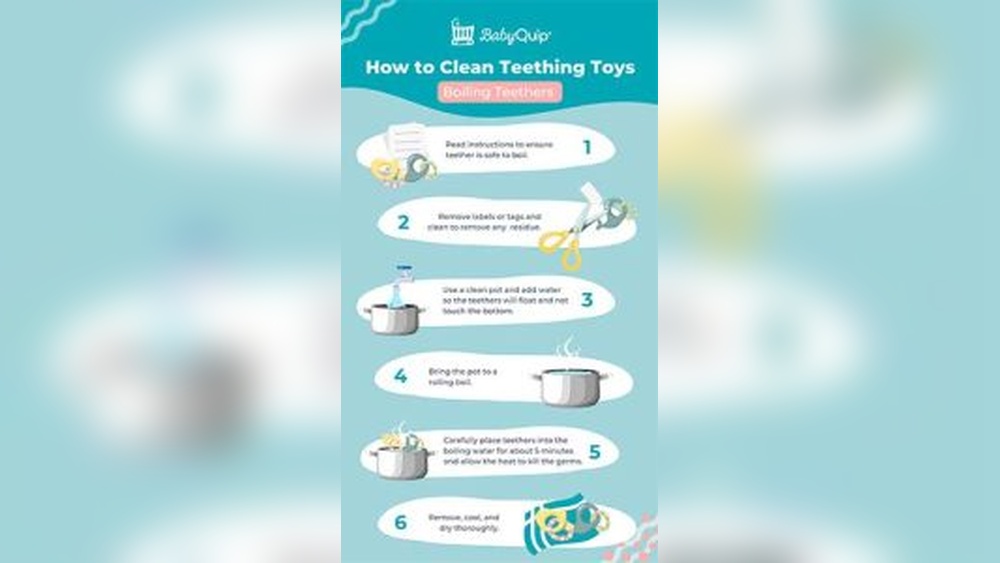
Boiling water kills most germs on teething toys. Boil a pot of water and place the toy inside for 3 to 5 minutes. Remove carefully and let the toy cool down. Avoid boiling toys with electronic parts or soft materials that can melt.
Natural Cleaning Alternatives
Natural cleaners are safe and gentle for baby toys. Use a solution of white vinegar and water to wipe toys. Baking soda can help remove stains and odors. Always rinse toys well after using natural cleaners. These methods avoid harsh chemicals and keep toys fresh.

Credit: www.madeformums.com
Drying And Storing
After cleaning baby teething toys, drying and storing them properly is important. This step stops germs and mold from growing. It also keeps toys safe and ready for the next use. Proper drying and storage help protect your baby’s health.
Proper Drying Techniques
Start by shaking off extra water from the toys. Use a clean towel to pat them dry gently. Air drying is best to remove all moisture. Place toys on a clean, dry surface. Avoid direct sunlight to stop damage or fading. Let the toys dry completely before storing. Damp toys can grow bacteria fast.
Safe Storage Practices
Store teething toys in a clean, dry container. Use a sealed box or bag to keep dust and dirt away. Keep the storage area cool and out of sunlight. Avoid places with high humidity to prevent mold. Do not mix clean toys with dirty ones. Label containers if you have many toys. Regularly check toys for cracks or damage before use.
Cleaning Frequency Tips
Keeping baby teething toys clean is very important for your child’s health. Regular cleaning stops germs from growing. It also keeps the toys safe to chew on. Knowing how often to clean these toys helps you keep your baby happy and healthy.
Daily Cleaning Guidelines
Clean baby teething toys every day. Use warm water and mild soap. Rinse the toys well to remove all soap. Dry them with a clean towel or let them air dry. Daily cleaning removes dirt and saliva. It helps stop bacteria from building up. Simple daily care keeps toys fresh and safe.
Cleaning After Illness
Clean toys more often if your baby is sick. Germs spread easily during illness. Wash toys with hot water and soap. You can also use a baby-safe disinfectant. Make sure to rinse the toys well. Dry them completely before giving them back. This prevents the spread of germs to your baby.
Avoiding Common Mistakes
Cleaning baby teething toys is important for your baby’s health. Many parents make mistakes that can harm their child or damage the toys. Avoiding these common errors keeps toys safe and clean. It also protects your baby from harmful chemicals and germs.
Using Harsh Chemicals
Harsh chemicals can hurt your baby’s sensitive mouth. Avoid bleach, strong detergents, and alcohol-based cleaners. These substances may leave toxic residues on toys. Use mild soap and warm water instead. This cleans toys without risking your baby’s safety.
Ignoring Manufacturer Instructions
Each teething toy has specific cleaning rules. Ignoring these instructions can ruin the toy or make it unsafe. Some toys need hand washing, others can go in the dishwasher. Check labels carefully before cleaning. Following instructions keeps toys in good shape longer.

Credit: honeybkids.com
Frequently Asked Questions
How Often Should I Clean Baby Teething Toys?
Clean baby teething toys daily to remove germs and saliva. Frequent cleaning ensures toys remain safe and hygienic for your baby’s sensitive mouth.
What Is The Safest Way To Disinfect Teething Toys?
Use warm soapy water or a mixture of water and vinegar. Avoid harsh chemicals to keep toys safe and non-toxic for babies.
Can I Put Teething Toys In The Dishwasher?
Yes, many teething toys are dishwasher safe. Check manufacturer instructions before placing toys on the top rack for thorough cleaning.
How Do I Remove Stubborn Dirt From Teething Toys?
Use a soft brush with warm soapy water to scrub gently. Avoid abrasive materials that can damage the toy’s surface and safety.
Conclusion
Cleaning baby teething toys keeps your child safe and healthy. Use gentle soap and warm water for daily cleaning. Sterilize toys often to kill harmful germs. Avoid harsh chemicals that may hurt your baby. Check toys for damage before giving them to your child.
Clean toys regularly to prevent infections and discomfort. A clean toy means happy, healthy teething time. Simple steps make a big difference in your baby’s health. Keep toys clean and your baby smiling every day.
