

Have you ever wondered how germs manage to stick around on your child’s toys, even after a good cleaning? It’s surprising, but these tiny invaders can survive for hours or even days on surfaces your little ones touch every day.
Understanding how germs survive on toys is key to keeping your child safe and healthy. You’ll discover the simple reasons why germs linger and what you can do to protect your family. Keep reading to learn how to make your home a cleaner, safer place for your child to play.

Credit: www.labmanager.com
Germs Lurking On Toys
Toys bring joy to children, but they can also hide invisible dangers. Germs live and multiply on many toys. These tiny invaders wait silently, ready to spread infections. Children touch toys often, passing germs from hands to mouth. Understanding these germs helps keep kids safer.
Common Germ Types Found
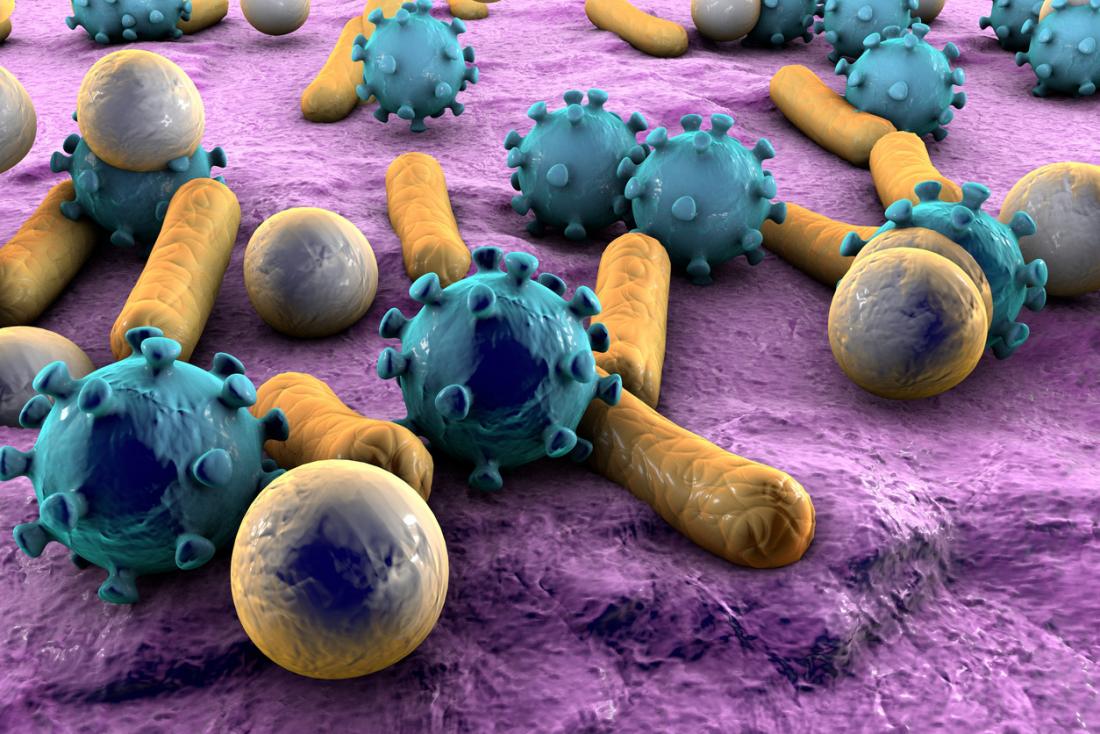
Bacteria like E. coli and Salmonella often appear on toys. Viruses such as the flu virus and cold virus also hide there. Fungi, including mold, can grow on damp toys. These germs cause illnesses like stomach upset, colds, and skin infections. Toys shared by many kids have higher germ levels.
Why Toys Are Germ Magnets
Toys are handled many times each day. Children often put toys in their mouths. Toys made of porous materials trap dirt and germs inside. Warm and moist environments help germs survive longer. Many toys rarely get cleaned, letting germs build up. This creates a perfect home for germs to live.

Credit: www.kidkraft.com
Survival Mechanisms Of Germs
Germs can live on children’s toys for days or even weeks. They use special ways to stay alive despite cleaning and dry air. These survival methods help germs spread easily among kids. Understanding how germs survive helps us keep toys cleaner and safer.
Resistance To Dryness And Temperature
Many germs survive by resisting dryness. Toys often sit in dry air, but some germs can stay alive without water. They enter a dormant state, slowing down their activity. This state helps germs wait until they find a new host. Temperature changes also do not kill all germs. Some germs can survive cold or warm conditions on toy surfaces. This resistance makes germs hard to remove from toys.
Biofilm Formation On Toy Surfaces
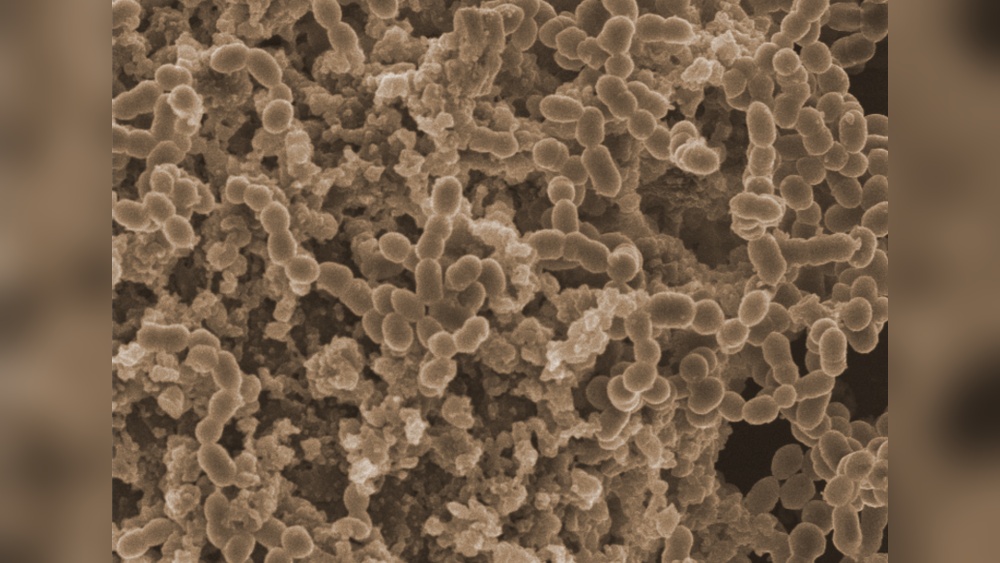
Germs create a sticky layer called biofilm on toys. This layer protects them from cleaning agents and water. Inside biofilms, germs live close together and share nutrients. Biofilms act like a shield against germs’ enemies. They help germs stay on plastic, rubber, and wood toys. Biofilms make germs much harder to wash away.
High-risk Toys For Germ Growth
Toys bring joy but can also harbor germs. Some toys provide better places for germs to hide and grow. These high-risk toys need more care and cleaning. Understanding which toys attract more germs helps keep children safe and healthy.
Soft Plush Toys
Soft plush toys absorb moisture from saliva and hands. This moisture creates a perfect home for bacteria and mold. These toys are hard to clean deeply. Dirt and germs build up in the fabric and stuffing. Regular washing is important to reduce germs on plush toys.
Plastic And Rubber Toys
Plastic and rubber toys often have cracks and small spaces. Germs hide easily in these tiny gaps. These toys are often wet from drool or bath time. Warm, damp places help germs grow fast. Wiping with disinfectant helps stop germ growth on these surfaces.
Electronic Toys
Electronic toys have buttons, screens, and openings. Kids touch these parts often with dirty hands. Germs collect on these spots quickly. Cleaning electronic toys is tricky because water can damage them. Use wipes or cloths with mild disinfectant to clean safely and reduce germs.
How Germs Transfer Between Kids
Germs spread quickly among children through toys. Kids often touch toys, then their faces or other kids. This movement helps germs travel easily. Understanding how germs move can help keep kids healthier.
Hand-to-toy-to-hand Transmission
Children’s hands carry many germs from surfaces. When a child touches a toy, germs transfer to the toy’s surface. Another child touching the same toy picks up those germs. This cycle repeats as toys pass between kids. Germs survive on toys for hours or days. Toys made of plastic or rubber keep germs longer. Soft toys may hold germs inside fabric. Cleaning toys regularly reduces germ transfer risk.
Sharing And Group Play Risks
Group play means many kids use the same toys. Sharing increases the chance of passing germs. Kids often put toys in their mouths. This behavior spreads germs from one child to another. Crowded play areas allow germs to spread faster. Close contact and shared toys create perfect conditions for germs. Teaching kids to wash hands after play helps. Parents and caregivers should clean toys often in group settings.
Effective Cleaning Techniques
Cleaning children’s toys is important to keep germs away. Toys often carry dirt and bacteria. Proper cleaning helps stop the spread of illness. Using the right methods keeps toys safe and clean. Here are some easy steps to clean toys effectively.
Safe Disinfectants For Toys
Choose disinfectants that are safe for children. Mild soap and water work well for many toys. For plastic toys, use a solution of one tablespoon bleach in one gallon of water. Wipe toys with this and rinse well. Avoid strong chemicals that can harm kids. Natural cleaners like vinegar can help but rinse thoroughly. Always check toy labels for cleaning advice.
Cleaning Frequency Recommendations
Clean toys often to reduce germs. Daily cleaning is best for toys used by many children. For toys used by one child, clean weekly. Soft toys need washing in a machine every few weeks. Avoid leaving dirty toys around. Keep a regular cleaning schedule to protect health.
Credit: www.medicalnewstoday.com
Preventive Measures For Parents
Parents play a key role in keeping children’s toys clean and safe. Germs can live on toys for days. This can cause sickness and infections. Taking simple steps helps reduce these risks. It protects children’s health and helps them stay well.
Toy Hygiene Habits
Clean toys often. Use warm water and mild soap. Wipe plastic toys with disinfectant wipes. Soft toys need gentle washing, like in a machine. Dry toys completely before giving them back to children. Avoid sharing toys with sick children. Store toys in a clean, dry place. Regular cleaning stops germs from spreading.
Educating Children On Cleanliness
Teach children to wash hands before and after play. Explain why clean toys are important. Show children how to keep toys tidy. Encourage putting toys away after use. Make cleaning toys a fun activity. Help children understand germs can make them sick. Simple habits build strong defenses against germs.
Frequently Asked Questions
How Long Do Germs Survive On Children’s Toys?
Germs can survive from a few hours to several days on toys. Survival depends on the toy’s material and environment. Hard plastic toys often harbor germs longer than soft or porous materials. Cleaning regularly reduces the risk of germ survival and spreading.
What Types Of Germs Are Common On Kids’ Toys?
Common germs on children’s toys include bacteria like E. coli and viruses such as the flu. These germs transfer easily through play and contact. Toys touched frequently by multiple children have a higher risk of contamination. Proper cleaning prevents germ buildup effectively.
How Do Germs Spread Through Children’s Toys?
Germs spread on toys when kids touch them with dirty hands or mouth. Shared toys increase the chance of transmitting infections among children. Germs transfer through saliva, mucus, or skin contact. Cleaning and disinfecting toys frequently helps stop this spread.
What Is The Best Way To Clean Children’s Toys?
Use warm soapy water or disinfectant wipes to clean toys regularly. Avoid harsh chemicals that can harm children or damage toys. For electronic toys, use alcohol-based wipes to avoid moisture damage. Cleaning toys after playtime helps reduce germ presence efficiently.
Conclusion
Germs can live on children’s toys for days or even weeks. This happens because toys often stay warm and moist, perfect for germs to grow. Kids touch toys with dirty hands and then put them in their mouths. Cleaning toys regularly helps stop germ spread.
Use soap and water or safe disinfectants. Keep toys dry and store them properly. These small steps protect children from getting sick. Clean toys mean healthier playtime for every child.
