

You want the best for your baby, and that means keeping their toys safe and clean. But did you know that mold can grow on toys without you even realizing it?
Mold in toys isn’t just dirty—it can cause serious health problems for your little one. Imagine your baby putting a moldy toy in their mouth. Scary, right? This article will show you how mold sneaks in, why it’s dangerous, and what you can do to protect your baby from harm.
Keep reading to make sure your child’s playtime is safe and healthy.
Mold Growth In Toys
Toys are a big part of a baby’s world. They explore, chew, and play with them every day. This makes toys a common spot for mold to grow. Mold can hide in toys without being noticed. It can cause health problems for babies. Understanding how mold grows in toys helps keep babies safe.
Common Toy Materials Prone To Mold
Soft toys made of fabric often attract mold. Plush animals and cloth books stay damp after washing. Plastic toys with small holes or cracks can trap moisture. Rubber toys that get wet and stay damp also grow mold. Wooden toys can hold moisture in tiny cracks. These materials create perfect spots for mold to form.
Conditions That Encourage Mold
Mold needs moisture to grow. Wet or damp toys left in dark places often develop mold. Warm temperatures help mold spores multiply fast. Poor air circulation around toys keeps them moist longer. Toys stored in bathrooms or basements often get moldy. Regular cleaning and drying reduce mold growth risk.
Signs Of Mold On Toys
Look for fuzzy spots on toy surfaces. Mold can be white, green, black, or gray. A musty or damp smell means mold may be present. Discoloration or stains on toys can signal mold growth. Babies may have allergies or coughing after playing with moldy toys. Check toys often to keep mold away.
Health Risks For Babies
Mold in toys can pose serious health risks to babies. Babies often put toys in their mouths. This allows mold spores to enter their bodies easily. Their immune systems are still weak. Mold exposure can cause many health problems.
Understanding these risks helps parents keep babies safe. Mold can harm babies in several ways. Below are the main health risks linked to mold in toys.
Respiratory Issues
Breathing in mold spores can cause breathing problems. Babies may cough or wheeze more often. Mold can trigger asthma attacks. Even mild exposure can irritate tiny lungs. Avoiding mold helps protect babies’ breathing health.
Allergic Reactions
Mold can cause allergic reactions in babies. Symptoms include sneezing, runny nose, and red eyes. Some babies develop skin rashes or hives. These reactions can make babies uncomfortable. Removing moldy toys reduces allergy risks.
Infections And Other Complications
Mold can cause infections, especially in babies with weak immunity. Mouth and skin infections are common. Some types of mold produce harmful toxins. These toxins can affect a baby’s growth. Keeping toys clean and dry prevents mold growth.
How Babies Are Exposed
Babies explore the world using their senses. They touch, feel, and often put toys in their mouths. This natural behavior can lead to exposure to mold if toys are not clean. Mold grows in damp places and can hide on toy surfaces. Babies’ delicate immune systems are at risk from this exposure.
Hand-to-mouth Behavior
Babies love to put toys in their mouths. This habit helps them learn about different textures and shapes. If toys have mold, babies swallow tiny spores. These spores can cause allergic reactions or infections. The risk is higher because babies chew and suck on toys often. Moldy toys become a direct source of harmful particles.
Prolonged Contact With Moldy Toys
Babies hold toys for long periods. This close contact allows mold to transfer to their skin and clothes. Mold spores can enter through small cuts or sensitive skin. Prolonged exposure increases the chance of health problems. Toys left wet or stored improperly encourage mold growth. Regular cleaning and drying are essential to keep toys safe.
Credit: blog.cincinnatichildrens.org
Preventing Mold On Toys
Mold on toys can harm babies’ health. Preventing mold keeps toys safe and clean. It also protects babies from allergies and infections. Simple steps help stop mold growth on toys.
Proper Cleaning Techniques
Wash toys often with warm, soapy water. Use a soft brush to clean small parts. Rinse toys well to remove soap. Dry toys completely before giving them back. For plastic toys, use a mild bleach solution sometimes. Avoid harsh chemicals that can harm babies.
Safe Storage Practices
Store toys in dry places with good air flow. Avoid keeping toys in damp or dark areas. Use containers with holes for air circulation. Check toys regularly for signs of mold. Throw away toys that have mold and cannot be cleaned.
Choosing Mold-resistant Toys
Pick toys made from materials that do not absorb water. Look for plastic or metal toys over fabric ones. Choose toys that are easy to clean and dry fast. Avoid toys with many crevices where mold can grow. This helps keep toys healthier for babies.
When To Discard Toys
Toys are a big part of a baby’s world. They explore and learn through play. Keeping toys clean is very important. Mold on toys is not just dirty; it can be harmful. Knowing when to throw away toys helps keep babies safe. Some toys might look okay but hide mold that can’t be removed. Others may cause health problems if used too long after mold appears.
Check toys often for signs of mold. Small black, green, or white spots mean trouble. Soft toys that stay wet are easy places for mold to grow. Plastic toys can hide mold in cracks. Toss toys that show serious mold. It is better to be safe than sorry.
Irremovable Mold
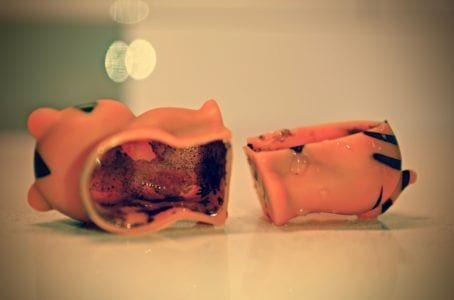
Mold that does not come off with washing is dangerous. Toys with mold deep inside cannot be cleaned well. Soft or porous toys absorb mold quickly. Even after cleaning, spores may stay inside. These toys can spread mold to other items. Do not risk your baby’s health. Throw away toys with mold that won’t wash off.
Damage From Mold Exposure
Mold exposure can cause many health problems for babies. Their lungs and skin are very sensitive. Mold can cause allergies, rashes, and breathing problems. Babies may cough, sneeze, or have watery eyes. Long exposure can make asthma worse. Mold can also cause infections in some cases. Removing moldy toys stops these health risks. Keep your baby’s play area safe and clean.

Credit: coastalkids.com
Tips For Parents And Caregivers
Keeping toys safe and clean is crucial for babies’ health. Mold in toys can cause serious problems. Parents and caregivers play a key role in preventing mold growth. Simple steps can help protect babies from harm.
Regular Toy Inspection
Check toys often for signs of mold or dirt. Look inside, on surfaces, and in crevices. Soft toys and bath toys need extra attention. Remove any toy that shows mold or smells musty. Clean toys thoroughly before giving them back to babies.
Maintaining A Healthy Play Environment
Keep play areas dry and well-ventilated to stop mold growth. Avoid storing toys in damp places like basements. Wash toys regularly with soap and water. Dry them completely before storing. Use safe cleaning products to protect babies from chemicals.

Credit: www.amazon.com
Frequently Asked Questions
What Health Risks Does Mold In Toys Pose To Babies?
Mold in toys can cause allergic reactions, respiratory problems, and skin irritation in babies. Their immune systems are sensitive, making them vulnerable to mold spores. Prolonged exposure may worsen asthma or cause infections. Removing moldy toys helps protect a baby’s health and promotes safe play.
How Can Mold Develop On Baby Toys?
Mold grows on toys exposed to moisture, warmth, and organic material. Bath toys, plush toys, and wooden toys are common spots for mold. If toys are not dried properly after use, mold spores can multiply quickly, creating health hazards for babies.
How To Prevent Mold Growth On Baby Toys?
To prevent mold, clean toys regularly with mild soap and water. Dry them thoroughly after cleaning or bath time. Store toys in dry, ventilated areas. Avoid leaving toys in damp places like bathrooms to keep mold from developing.
What Signs Indicate Mold On Baby Toys?
Visible black, green, or white fuzzy spots on toys often signal mold. Musty odors or discoloration can also indicate mold presence. If a toy smells unpleasant or looks dirty despite cleaning, it’s best to discard or deep-clean it to protect your baby.
Conclusion
Mold in toys can cause serious health problems for babies. It can trigger allergies, breathing issues, and infections. Babies often put toys in their mouths, increasing risks. Cleaning and drying toys regularly helps keep mold away. Always check toys for signs of mold or damage.
Safe toys mean healthier babies and happier parents. Remember, simple actions prevent mold and protect your child’s health. Keep your baby’s playtime safe and mold-free.
