

Have you ever wondered how the toys your child plays with can do more than just entertain? Toys are powerful tools that quietly help your kids develop important skills—especially planning skills.
When your child figures out how to build a tower or solve a puzzle, they are actually learning to think ahead, make decisions, and organize their actions. These are the same skills they’ll need to succeed in school and life.
Keep reading to discover how the right toys can boost your child’s ability to plan, focus, and solve problems—and why this matters more than you might think.
Role Of Toys In Skill Development
Toys play an important role in helping children develop planning skills. Through play, kids learn to think ahead and make decisions. They practice organizing their actions step-by-step. Toys offer a safe space to try new ideas and solve problems. This process builds strong thinking skills that children use every day.
Planning skills help children in school and social activities. Toys that encourage planning support brain growth and creativity. They allow kids to explore cause and effect and develop patience. These skills grow naturally as children interact with different types of toys.
Types Of Toys That Encourage Planning
Building blocks and puzzles are great for teaching planning. Kids must figure out how pieces fit together. Strategy games help children plan moves and think ahead. Role-play toys encourage kids to imagine and organize scenarios. Construction sets allow planning of complex structures step-by-step. Each toy type strengthens different parts of the planning process.
How Play Shapes Cognitive Growth
Play improves memory and attention in children. Planning during play teaches cause and effect. Kids learn to predict results from their actions. Play also helps develop problem-solving skills. This cognitive growth supports learning in many areas. Regular play with planning toys builds strong mental habits.

Credit: www.bellalunatoys.com
Boosting Creativity Through Toys
Toys play a key role in growing a child’s creativity. They offer chances to try new ideas and explore different ways of thinking. Creative play helps kids plan and solve problems on their own. It builds skills that last a lifetime.
Choosing toys that encourage creativity helps children express themselves. These toys invite kids to use their minds and hands freely. Creative play also boosts confidence and joy in learning.
Open-ended Toys And Imagination
Open-ended toys do not have one fixed use. Blocks, clay, and simple building sets are great examples. Kids can build houses, animals, or anything they dream up. These toys let children decide what to create.
This freedom sparks imagination and original ideas. Children learn to plan their projects step by step. They think about shapes, sizes, and how pieces fit together. Open-ended toys turn playtime into a creative workshop.
Encouraging Artistic Expression
Art supplies and craft kits support kids in sharing their thoughts and feelings. Drawing, painting, and crafting help children express ideas without words. These activities improve fine motor skills and attention to detail.
Artistic expression also helps children organize their thoughts visually. They learn to plan what colors and shapes to use. This kind of play strengthens creative thinking and problem-solving. It allows kids to bring their inner world to life.
Enhancing Problem-solving Abilities
Problem-solving is a key skill for children’s growth. Toys help kids learn how to think and find answers. They encourage kids to try, fail, and try again. This builds patience and sharpens their minds.
Playing with the right toys helps children develop a clear plan to solve problems. It teaches them to look at situations from different angles. Kids learn to make decisions and adjust their ideas as they play.
Puzzles And Logical Thinking
Puzzles are great for teaching kids how to think logically. They break down a big problem into smaller parts. Kids learn to match shapes, colors, and patterns. This improves their attention to detail and memory.
Solving puzzles requires kids to test different solutions. They learn what works and what does not. Puzzles also help kids recognize sequences and cause-effect relationships.
Building Toys And Strategic Planning
Building toys like blocks or kits teach kids to plan steps ahead. They decide what to build and how to do it. This practice improves their ability to organize thoughts and actions.
Kids experiment with different ways to create stable structures. They learn about balance and design. These toys encourage creativity while developing planning skills.
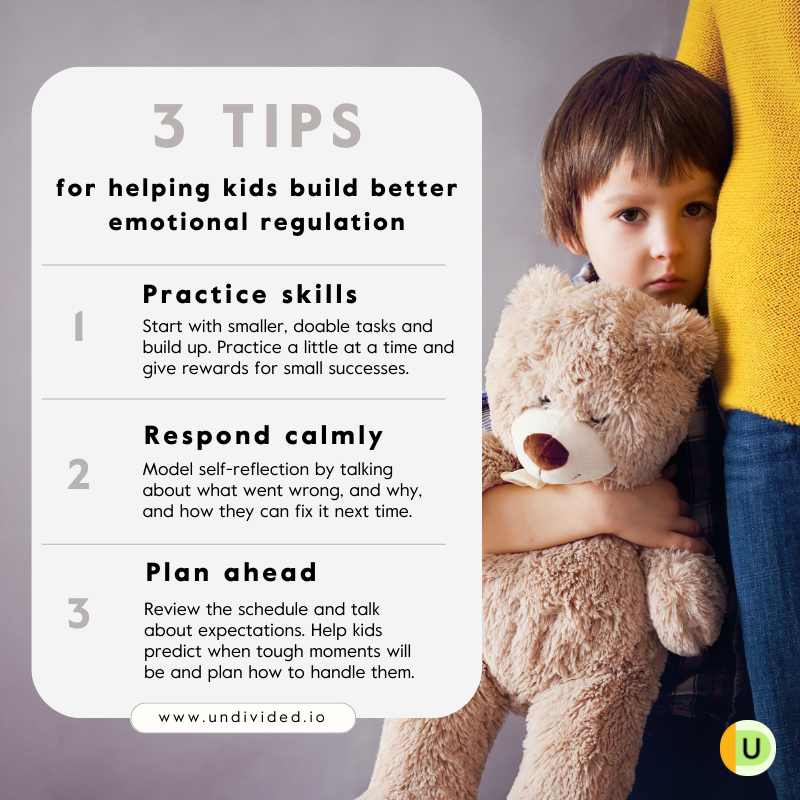
Credit: undivided.io
Toys That Promote Sequential Thinking
Toys that promote sequential thinking help children learn to follow steps in order. This skill is important for planning and organizing tasks. Playing with these toys encourages kids to think ahead and understand cause and effect. Such toys make learning fun and interactive.
Step-by-step Play Activities
Step-by-step play activities guide children through a clear process. These toys require kids to complete tasks in a certain order. For example, puzzles ask children to fit pieces one by one. This helps kids see how each step leads to the next.
Other toys include board games with turns and rules. Kids learn to wait and plan their moves. This builds patience and logical thinking. Step-by-step activities also improve memory and focus.
Role Of Construction Sets
Construction sets like building blocks or LEGO boost sequential thinking. Kids plan what to build and follow steps to create it. They learn how pieces fit together in a specific order.
Building sets also teach problem-solving when something does not fit. Children try different ways to finish their project. This process strengthens their ability to plan and adjust.
Playing with construction sets improves hand-eye coordination and creativity. It makes learning how to organize steps enjoyable and hands-on.
Social Play And Collaborative Planning
Social play offers children a chance to work together and plan as a team. Toys that encourage group activities help kids learn how to share ideas and solve problems together. These moments build important skills that go beyond just fun. They teach kids how to listen, negotiate, and think ahead.
Collaborative planning during play helps children understand different points of view. It also strengthens their ability to organize tasks and make decisions. Social play creates a natural setting for kids to practice these skills while enjoying time with friends.
Group Games That Foster Teamwork
Group games require children to cooperate and plan as a unit. Toys like board games or building sets prompt kids to discuss strategies. They learn how to divide tasks and support each other’s roles. This teamwork builds trust and improves communication skills. Playing together also teaches patience and how to handle winning or losing.
Sharing Ideas Through Play
Sharing ideas is key in collaborative play. Toys that allow creativity, like role-play kits or construction blocks, encourage kids to express thoughts. They learn to listen and respect others’ ideas. This exchange helps children develop problem-solving skills. It also boosts confidence in planning and decision-making together.
Choosing Toys For Skill Growth
Choosing the right toys helps children develop important planning skills. Toys can teach kids how to think ahead, solve problems, and organize their actions. Picking toys that support these skills makes playtime both fun and educational.
Parents and caregivers should focus on toys that match a child’s abilities and interests. This encourages kids to explore, try new ideas, and build confidence in their planning skills.
Age-appropriate Options
Toys must suit a child’s age to support skill growth effectively. Younger kids need simple toys that encourage basic thinking and coordination. Older children benefit from more complex toys that challenge their planning and problem-solving.
For toddlers, building blocks or shape sorters work well. School-age children enjoy puzzles, board games, and construction sets. Age-appropriate toys ensure kids stay engaged without feeling frustrated.
Balancing Fun And Learning
Toys should be enjoyable to keep children interested. When play is fun, kids naturally develop planning skills without pressure. Look for toys that combine creativity with challenges.
Examples include strategy games and role-playing sets. These toys let children plan moves and think ahead while having a good time. A good balance of fun and learning helps kids grow smarter through play.

Credit: www.amazon.com
Frequently Asked Questions
How Do Toys Improve Kids’ Planning Skills?
Toys encourage children to think ahead and organize steps. They promote problem-solving and decision-making, essential for planning. Playing with toys helps kids set goals and execute tasks effectively.
What Types Of Toys Boost Planning Abilities?
Building blocks, puzzles, and strategy games enhance planning skills. These toys require children to analyze, sequence actions, and predict outcomes. Such play supports cognitive development and critical thinking.
Can Interactive Toys Enhance Kids’ Planning Skills?
Yes, interactive toys stimulate engagement and strategic thinking. They encourage children to plan moves and adapt to new challenges. This interaction fosters flexible thinking and improves planning proficiency.
Why Is Play Important For Developing Planning Skills?
Play offers a safe space for experimentation and learning. It helps children practice organizing tasks and managing time. Through play, kids develop essential planning and executive function skills.
Conclusion
Toys help kids learn to plan and think ahead. They encourage problem solving and creativity. Playing with toys builds focus and patience too. Kids practice making choices and organizing steps. These skills grow stronger with regular play. Parents can support learning by joining in.
Toys turn learning into fun and active time. Helping kids plan now sets them up for success later. Simple play can make a big difference in skills. Keep encouraging play to boost planning abilities daily.
