

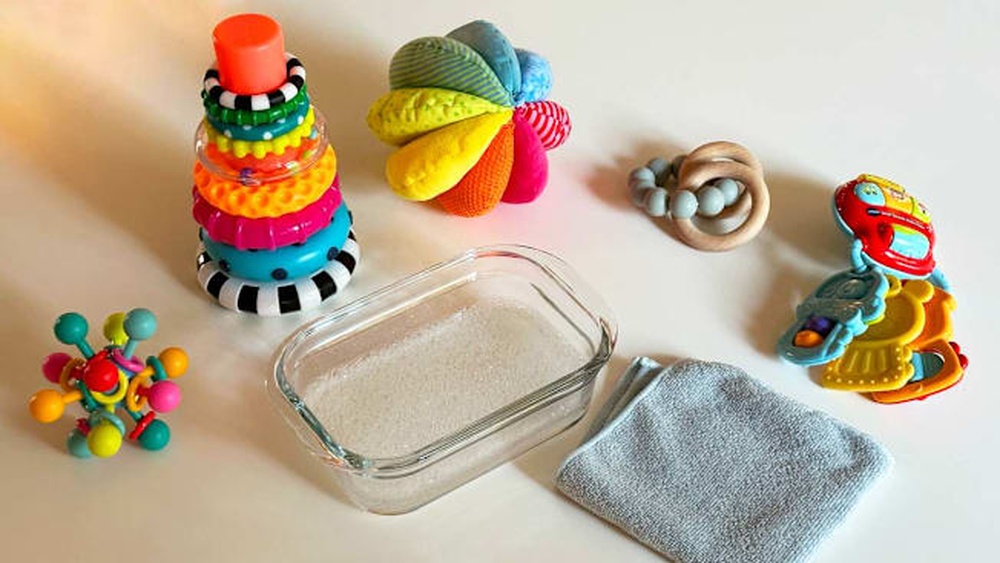
You want to keep your baby’s toys clean and safe, but are you sure the products you use won’t harm your little one? If you’ve been wondering, “Are hydrogen peroxide wipes safe for baby toys?” you’re not alone.
You care deeply about your baby’s health and want the best for them. This article will help you understand the facts about hydrogen peroxide wipes, so you can make confident choices for your baby’s playtime. Keep reading to discover what you need to know before reaching for that wipe.

Credit: www.amazon.sg
Hydrogen Peroxide Wipes Basics
Hydrogen peroxide wipes are popular for cleaning baby toys. They offer a quick and easy way to keep toys clean and safe. Understanding how these wipes work helps parents decide if they are a good choice.
These wipes use hydrogen peroxide, a common cleaning agent, to remove germs and dirt. They are gentle yet effective, making them suitable for items that babies often put in their mouths.
What Are They Made Of
Hydrogen peroxide wipes contain a small amount of hydrogen peroxide. This chemical breaks down into water and oxygen, leaving no harmful residue. The wipes also include water and mild cleaning agents. They are usually free from harsh chemicals like bleach or alcohol. The fabric is soft to avoid scratching delicate toy surfaces.
How They Work As Cleaners
Hydrogen peroxide works by breaking down germs and bacteria. It releases oxygen that destroys microbes on contact. This action cleans surfaces without harsh scrubbing. The wipes also remove dirt and sticky residue from toys. After wiping, the surface dries quickly and remains safe for babies to touch. This method helps keep baby toys hygienic and fresh.
Safety Concerns For Babies
Babies explore the world by touching and putting things in their mouths. Their immune systems are still developing. Safety is a top priority when cleaning baby toys. Some cleaning products may pose risks to babies. Understanding these risks helps parents choose safe options.
Potential Chemical Risks
Hydrogen peroxide breaks down into water and oxygen. It is a strong cleaner and disinfectant. But wipes may contain other chemicals. Some additives can irritate a baby’s skin or cause allergic reactions. Residue left on toys can transfer to babies’ hands and mouths. Using wipes with only safe ingredients reduces risk. Always check the label for harmful substances.
Skin And Respiratory Effects
Babies have sensitive skin that can react easily. Chemicals from wipes may cause redness or rash. Breathing in fumes from some wipes can irritate the nose and lungs. Babies cannot avoid inhaling these vapors. This may cause coughing or discomfort. Choosing wipes designed for baby use limits these effects. Proper drying of toys after cleaning helps too.
Effectiveness On Baby Toys
Hydrogen peroxide wipes can clean baby toys well. They kill many types of germs quickly. Parents want to keep toys safe and clean for their little ones. These wipes offer a simple way to remove dirt and germs. Understanding how effective these wipes are helps in choosing the right cleaning method.
Types Of Germs Removed
Hydrogen peroxide wipes kill bacteria, viruses, and fungi. Common germs on baby toys include E. coli and staph bacteria. The wipes break down the germs’ cell walls. This stops germs from growing or spreading. Using these wipes reduces the risk of infections for babies. They work fast and leave no harsh chemicals behind.
Impact On Toy Materials
These wipes are usually safe for plastic and rubber toys. They do not cause discoloration or damage with proper use. Avoid using on soft fabrics or porous materials. The liquid can soak in and weaken such surfaces. Always check the toy’s label before cleaning. Regular use keeps toys fresh without harming their texture.
Comparing Alternatives
Choosing the right cleaning method for baby toys is important. Safety and effectiveness matter most. Comparing alternatives helps find the best option for your child’s health.
Natural Cleaning Options
Natural cleaners use ingredients like vinegar, baking soda, and lemon. These are gentle on baby toys and safe to use. They do not contain harsh chemicals that might harm babies. Natural options also reduce the risk of allergies or skin irritation. Many parents prefer these because they clean well and are eco-friendly.
Mixing water with vinegar creates a safe disinfectant. Wiping toys with this mix removes germs and dirt. Baking soda can help scrub tough spots without damage. Lemon juice adds a fresh scent and antibacterial power. These options require a bit more effort but offer peace of mind.
Other Disinfectant Wipes
Besides hydrogen peroxide wipes, many disinfectant wipes are available. Some contain alcohol or bleach, which kill germs quickly. These wipes must be used with care around babies. Chemicals can leave residue that might cause irritation or allergies.
Look for wipes labeled safe for children or baby use. Some brands use gentle ingredients designed to clean without harsh effects. Always check the label for warnings and instructions. Wipes with natural ingredients or fewer chemicals usually offer safer cleaning for toys.
Expert Recommendations
Experts provide clear advice on using hydrogen peroxide wipes for baby toys. Their guidance helps keep toys clean and safe for little ones. Understanding these tips ensures proper use and avoids risks.
Usage Guidelines
Use wipes on hard, non-porous toys only. Soft or fabric toys may absorb the solution, causing damage. Wipe surfaces gently to remove dirt and germs. Let toys air dry completely before giving them to babies. Always check the label for safety instructions. Rinse toys with water if unsure about residue. Store wipes away from children to avoid accidental contact.
When To Avoid
Do not use wipes on toys with electronic parts or batteries. Avoid using wipes on toys with paint that may peel. Skip wipes if the baby has allergies or sensitive skin. Avoid wipes on porous materials like wood or plush. If a toy looks damaged after cleaning, discard it. Choose other cleaning methods for delicate or old toys. Stop use if irritation or unusual smell occurs after cleaning.
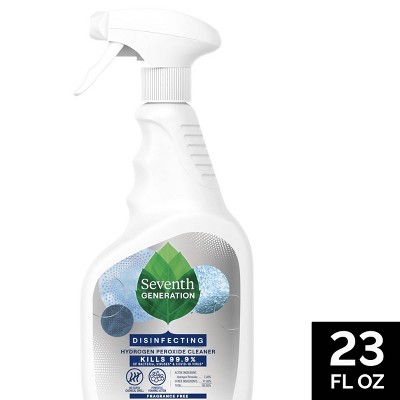
Credit: www.target.com
Safe Cleaning Practices
Keeping baby toys clean is very important. Safe cleaning practices help protect babies from germs and chemicals. Using hydrogen peroxide wipes can be effective, but you must follow good cleaning methods. These methods make sure toys are safe and ready to use again.
Proper Wipe Techniques
Choose wipes labeled safe for baby products. Gently wipe all surfaces of the toy. Pay close attention to small cracks and crevices. Avoid soaking the toy with too much liquid. Wipe in one direction to remove dirt and germs effectively. Allow the toy to air dry after wiping. Do not rinse the toy unless the label says so.
Drying And Storage Tips
After cleaning, let the toy dry completely before use. Place toys on a clean towel in a well-ventilated area. Avoid direct sunlight, which can damage some materials. Store toys in a dry, dust-free container. Keep wipes sealed tightly to prevent drying out. Clean toys regularly to keep germs away and maintain safety.

Credit: moonkieshop.com
Frequently Asked Questions
Are Hydrogen Peroxide Wipes Safe For Cleaning Baby Toys?
Yes, hydrogen peroxide wipes are generally safe for baby toys. They effectively kill germs without harsh chemicals. Always let toys dry completely before giving them to babies.
Can Hydrogen Peroxide Harm My Baby If Residue Remains?
Hydrogen peroxide breaks down into water and oxygen, leaving minimal residue. Still, wiping toys dry after cleaning ensures no residue remains to harm your baby.
How Often Should I Disinfect Baby Toys With Hydrogen Peroxide Wipes?
Disinfect baby toys weekly or after heavy use. Regular cleaning helps reduce germs and keeps toys safe for babies.
Are Hydrogen Peroxide Wipes Better Than Other Disinfectants For Toys?
Yes, hydrogen peroxide wipes are safer and less toxic than bleach. They clean effectively without harmful fumes or residues, ideal for baby items.
Conclusion
Hydrogen peroxide wipes can clean baby toys safely when used right. Always check the label for baby-safe ingredients. Let toys dry completely before giving them back to your child. Avoid wipes with harsh chemicals or strong scents. Regular cleaning helps keep germs away and protects your baby’s health.
Choose wipes made for delicate surfaces to avoid damage. Simple steps make toy cleaning easy and safe. Keep your baby’s playtime clean and healthy with careful wipe use.
