

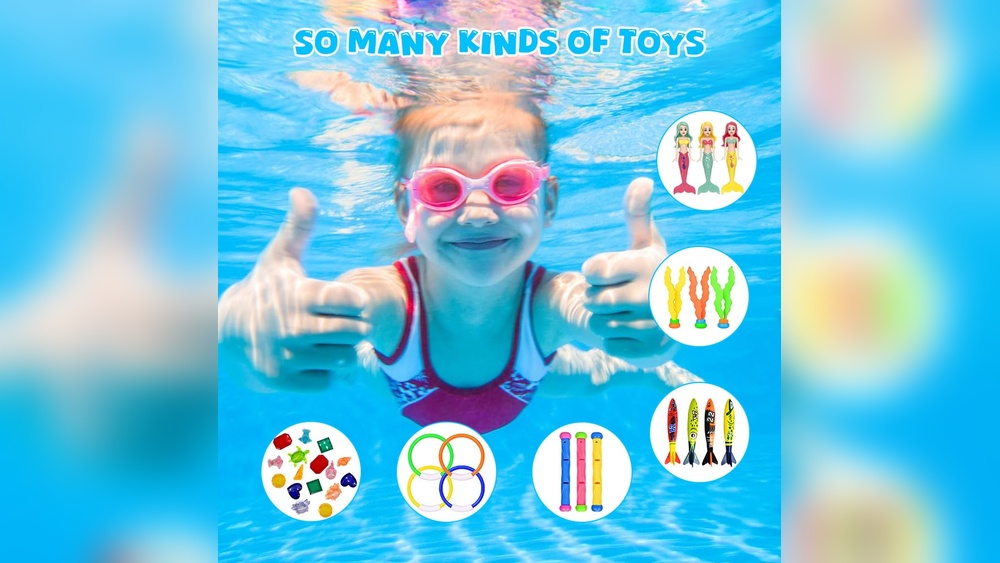
Have you ever noticed how your child’s face lights up when they play with their favorite toy? Toys are more than just fun—they are powerful tools that help your child grow and build confidence every day.
When your child masters a new game or solves a puzzle, they feel proud and capable. This boost in self-belief can shape how they face challenges in life. If you want to understand how the right toys can help your child become more confident and ready to take on the world, keep reading.
You’ll discover simple ways to support your child’s growth through play.
Role Of Play In Confidence
Play is a natural way for children to learn about themselves and the world. Through play, kids try new things and solve problems. This helps them feel more sure and brave. Toys make play more fun and meaningful. They give children chances to practice skills and gain confidence.
Building Social Skills
Playing with toys encourages children to share and take turns. They learn how to talk and listen to others. Group play helps children understand feelings and develop friendships. These social skills build self-esteem and confidence in social settings.
Encouraging Independence
Toys let children make their own choices during play. Kids feel proud when they complete tasks on their own. Independent play teaches decision-making and problem-solving. This builds a sense of control and boosts confidence.
Fostering Creativity
Toys inspire children to use their imagination. Creative play allows kids to express their ideas freely. This freedom encourages original thinking and risk-taking. Creativity helps children believe in their abilities and feel confident.

Credit: www.melissaanddoug.com
Types Of Toys That Boost Self-esteem
Toys play a big role in helping kids feel good about themselves. Different toys can boost confidence in many ways. Some toys teach new skills, while others encourage creativity and problem-solving. Choosing the right types of toys helps children grow self-esteem step by step.
Below are some toys that build confidence through learning and play.
Educational Toys
Educational toys make learning fun and easy. They help kids understand numbers, letters, and shapes. As kids master these skills, they feel proud and capable. Simple quiz games or flashcards improve memory and focus. These toys encourage kids to try new challenges without fear.
Building Sets And Puzzles
Building sets and puzzles teach kids patience and planning. Completing a puzzle gives a strong sense of achievement. Building blocks let children create anything they imagine. These toys improve fine motor skills and logical thinking. Success in building or solving puzzles makes kids trust their abilities.
Role-playing Toys
Role-playing toys let kids explore different roles and ideas. Playing “doctor” or “teacher” helps children understand the world. Acting out stories boosts creativity and social skills. Kids gain confidence by expressing themselves and making decisions. These toys also teach empathy and teamwork.
How Toys Encourage Growth
Toys play a big role in helping kids grow. They make learning fun and easy. Kids explore new ideas and skills through play. This helps build their confidence step by step. Toys also give kids chances to try and solve problems. They help children move their bodies and express feelings. All these things support a child’s growth in many ways.
Developing Problem-solving Skills
Toys like puzzles and building blocks challenge kids to think. Kids try different ways to solve problems. This practice improves their thinking and patience. They learn to find answers on their own. Problem-solving toys encourage curiosity and creativity.
Enhancing Motor Skills
Many toys help kids use their hands and fingers. Toys such as shape sorters and balls improve hand-eye coordination. Kids learn to control their movements better. This builds strength and precision in their muscles. Motor skill toys prepare kids for writing and other tasks.
Promoting Emotional Expression
Toys like dolls and action figures help kids show feelings. Children act out stories and share emotions through play. This helps them understand and control their feelings. Playtime with toys also reduces stress and builds confidence. Emotional expression is important for healthy growth.

Credit: www.melissaanddoug.com
Parental Involvement And Toy Selection
Parental involvement plays a key role in how toys help kids build confidence. Parents guide children in choosing the right toys. The right toys encourage learning and skill-building. Parents also support and join playtime, making it more meaningful. This support helps children feel safe and motivated to try new things.
Choosing Age-appropriate Toys
Selecting toys that fit a child’s age is very important. Toys should match their abilities and interests. Age-appropriate toys challenge kids without causing frustration. These toys help children succeed and feel proud. Avoid toys that are too hard or too easy. This balance supports steady confidence growth.
Supporting Playtime Positively
Parents can boost confidence by joining playtime. Praise efforts and encourage creativity. Ask questions about what the child is doing. Show interest without taking over the play. Positive support builds a child’s self-esteem. It also strengthens the parent-child bond.
Balancing Screen And Traditional Toys
Children benefit from both screen and traditional toys. Screen toys can teach skills like problem-solving and coordination. Traditional toys promote imagination and social skills. Balance screen time with hands-on play every day. This mix helps develop confidence in different areas. Parents should set clear time limits for screens.
Long-term Benefits Of Play
Play is more than just fun for kids. It helps build confidence that lasts a long time. Through play, children learn skills that support them in many parts of life. Toys act as tools that encourage learning and growth. This growth stays with children as they grow up.
Improved Confidence In School
Toys help children practice problem-solving and decision-making. These skills boost confidence in classroom tasks. Kids feel ready to try new things and answer questions. Confidence from play can lead to better focus and participation. This makes learning easier and more enjoyable.
Better Social Interactions
Playing with toys often involves sharing and teamwork. Children learn how to communicate and listen to others. This improves their social skills outside of playtime. They become comfortable making friends and working with peers. Such skills build confidence in social situations.
Stronger Emotional Resilience
Play allows kids to express feelings in a safe way. They learn to handle frustration and solve conflicts through toys. This builds emotional strength and helps manage stress. Resilient children bounce back from challenges more easily. Toys support this important emotional growth over time.

Credit: www.amazon.com
Frequently Asked Questions
How Do Toys Boost Kids’ Self-confidence?
Toys encourage creativity and problem-solving. Kids learn new skills while playing. Success in play builds self-esteem and independence.
Which Toys Develop Social Confidence In Children?
Interactive toys like board games and role-play sets help kids practice communication. These toys improve social skills and teamwork.
Can Educational Toys Improve Children’s Confidence?
Yes, educational toys challenge kids to think critically. Mastering concepts through play increases their belief in their abilities.
How Do Toys Support Emotional Growth In Kids?
Toys allow kids to express feelings safely. This expression helps them understand emotions and build emotional resilience.
Conclusion
Toys give children a safe space to try new things. They help kids feel proud when they solve problems or create. Playing with toys also builds social skills and teamwork. Confidence grows each time a child succeeds in play. Small wins with toys lead to bigger self-belief in life.
Choosing the right toys can support a child’s growth. Letting kids explore through play helps them trust themselves. Toys are more than fun—they shape strong, confident kids.
