

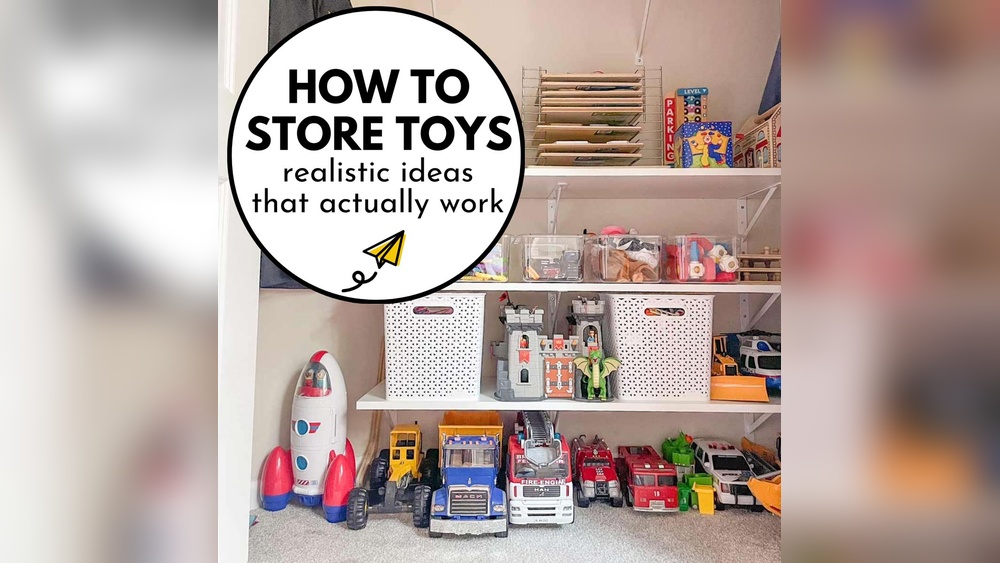
Are you tired of stepping on scattered toys every day? Finding a simple way to store your kids’ toys can change your entire home life.
Imagine a clutter-free space where your child’s favorite toys are easy to find and put away. This not only saves you time but also teaches your kids valuable habits. You’ll discover practical and easy tips to organize and store toys so your home feels calmer and more inviting.
Keep reading to unlock the secret to a tidier, happier home for you and your children.

Credit: mrsashleyfrench.com
Sort Toys By Category
Sorting toys by category makes organizing easier and faster. It helps kids find toys quickly. It also keeps the play area neat. Grouping toys creates a simple system for storage and cleanup.
Group By Type And Size
Start by sorting toys by their type. Put blocks with blocks, cars with cars, and dolls with dolls. Grouping by size helps too. Keep small toys together and big toys in another place. This avoids mixing up pieces and losing parts.
Create Zones For Different Activities
Make separate zones for different play activities. One zone for building blocks, another for art supplies, and one for puzzles. This helps kids know where to play and where to put toys back. Zones make the play area more organized and fun.
Use Clear Storage Bins
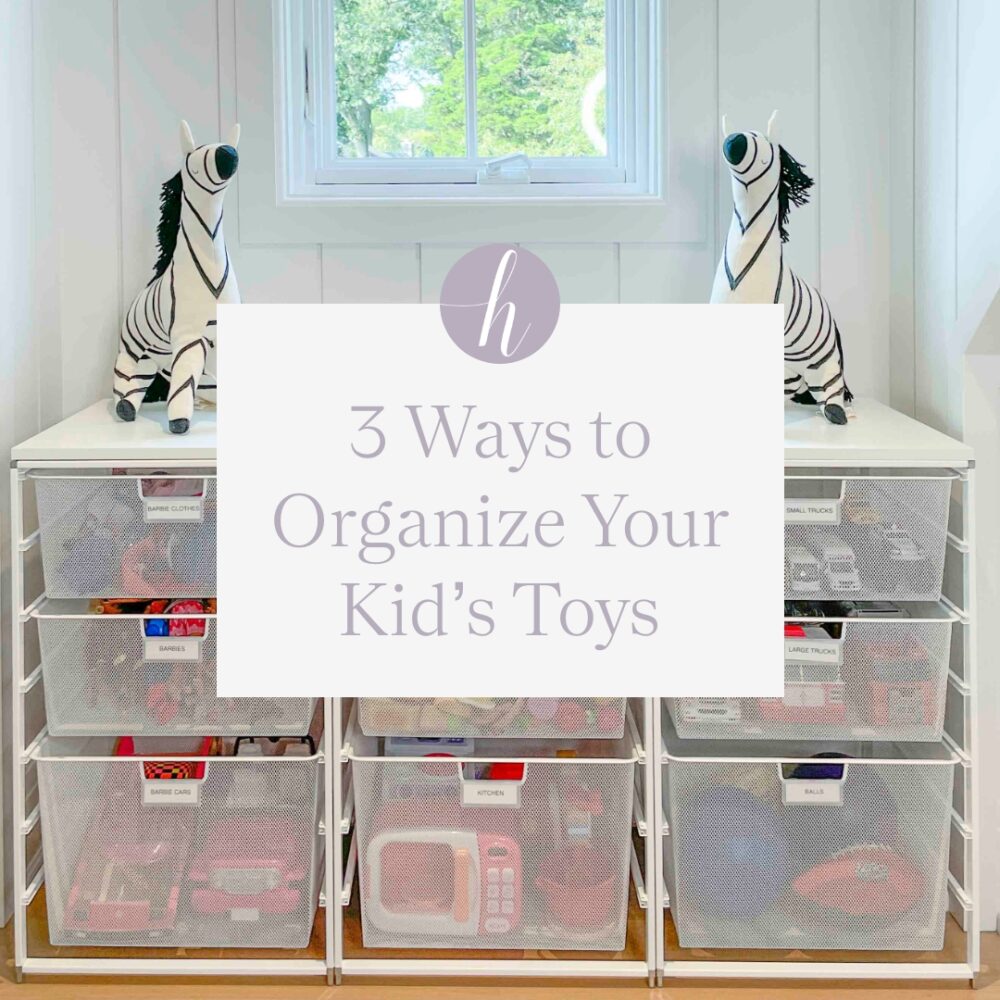
Clear storage bins offer a simple and effective way to organize kids’ toys. They let you see the contents without opening them. This saves time and reduces mess. Clear bins also create a neat look in any room.
Using clear bins helps kids find their toys easily. It encourages them to put toys back in the right place. This builds good habits and keeps the space tidy.
Label Bins For Easy Identification
Label each bin with the type of toys inside. Use simple words or pictures for younger kids. Clear labels make it easy to spot what belongs where. This prevents confusion and speeds up clean-up time.
Labels also help kids learn new words. They connect the name with the object. This adds a fun learning element to toy storage.
Stack Bins To Save Space
Stack clear bins to use vertical space well. This keeps floors clear and rooms spacious. Choose bins that fit securely on top of each other. Stacking reduces clutter and keeps toys organized.
Stacked bins work well in closets or playrooms. They make it easier to access toys without making a mess. This simple trick maximizes storage in small spaces.
Incorporate Multi-functional Furniture
Incorporate multi-functional furniture to save space and keep toys organized. These pieces serve two purposes: they provide storage and also function as regular furniture. This approach helps maintain a tidy room without clutter. Kids can easily access their toys, and cleanup becomes faster.
Storage Ottomans And Benches
Storage ottomans and benches offer hidden compartments for toys. These pieces fit well in living rooms or play areas. Kids can sit comfortably while their toys stay out of sight. Choose ottomans with soft tops for safe seating. Benches with storage underneath work well in entryways or bedrooms. They help keep toys off the floor and rooms neat.
Shelves With Baskets
Shelves with baskets make toy storage simple and accessible. Baskets keep small toys grouped and easy to find. Shelves use vertical space, saving floor area. Label baskets for quick sorting and cleanup. Kids learn to organize by putting toys back in the right place. This method keeps rooms looking tidy and toys easy to reach.
Credit: horderly.com
Utilize Wall And Door Space
Using wall and door space for storing kids’ toys saves floor space. It keeps toys organized and easy to find. Walls and doors are often empty and perfect for storage. This method helps keep play areas tidy and neat.
Hanging Organizers For Small Toys
Hanging organizers are great for small toys like blocks, cars, and dolls. They hang on walls or doors using hooks or nails. Clear pockets make toys visible and easy to grab. These organizers keep toys off the floor and reduce clutter. Kids can see their toys and put them back quickly.
Pegboards For Flexible Storage
Pegboards offer flexible storage for various toy types. Hooks and baskets attach easily to the board. You can change the setup anytime to fit new toys. Pegboards keep toys at eye level for children. They make cleaning up faster and more fun.
Create A Toy Rotation System
Creating a toy rotation system helps keep playtime fresh and toys organized. Kids enjoy toys more when they see them as new. This system reduces clutter and makes clean-up easier. It also helps parents manage space better.
Keep Only A Few Toys Out
Limit the number of toys your child uses daily. Choose a small selection based on their current interests. This keeps the play area neat and focused. Kids feel less overwhelmed with fewer toys around. It also helps them concentrate on playing.
Store Extras And Rotate Regularly
Put extra toys away in bins or boxes. Store them in a place easy to access but out of sight. Change the toys every few weeks. This brings excitement and new choices without buying more. Rotating toys keeps children curious and engaged longer.
Encourage Daily Cleanup Habits
Encouraging daily cleanup habits helps keep kids’ toys organized. It also teaches responsibility and respect for their belongings. Making cleanup part of the daily routine reduces mess and stress for everyone.
Kids learn best through fun and simple tasks. Small, consistent actions build good habits over time. Consistency makes cleanup feel natural, not like a chore.
Make Cleanup Fun And Quick
Turn cleanup into a game. Use timers to see who can tidy up fastest. Sing songs or play upbeat music during cleanup time. Celebrate small wins to keep kids motivated. Use colorful bins or boxes to make sorting toys exciting. Quick and fun cleanups keep kids interested and engaged.
Set A Cleanup Routine
Create a clear, simple schedule for daily cleanup. Choose specific times, like before dinner or bedtime. Use visual reminders like charts or pictures for younger kids. Stick to the routine every day to build consistency. A set routine makes cleanup expected and easier to follow.
Personalize Storage Solutions
Personalize storage solutions make organizing kids’ toys fun and easy. Tailoring storage to each child’s needs helps keep their space neat. Kids feel proud and responsible when their storage suits them. Personal touches encourage children to put toys away by themselves. Simple ideas can make a big difference in toy organization.
Involve Kids In Organizing
Invite kids to help sort and store their toys. They enjoy choosing where each toy belongs. This involvement teaches them about order and care. Ask questions like which toys they use most. Let them decide on storage spots and labels. This builds good habits and independence.
Use Color Coding And Themes
Assign colors to different toy types or kids. Use bins, boxes, or labels in matching colors. This makes finding and returning toys simple. Themes like animals, cars, or art can guide storage choices. Color coding helps kids recognize where things belong. It adds fun and clarity to toy organization.
:max_bytes(150000):strip_icc()/Arlo-Big-Kid-Room-Tour-8-240533444b22424f8636aaafbee631f9.jpeg)
Credit: kdfoundation.org
Frequently Asked Questions
What Are The Best Storage Solutions For Kids’ Toys?
The best storage solutions include bins, shelves, and labeled containers. These keep toys organized and easy to find. Consider using clear containers for visibility. Multi-functional furniture with storage also saves space. Choose durable and child-friendly materials for safety.
How Can I Organize Toys By Age Or Type?
Sort toys by age groups or categories like puzzles, dolls, and cars. Use labeled bins or baskets for each category. This helps kids find toys quickly and encourages tidiness. Rotate toys regularly to keep playtime fresh and manageable.
What Are Space-saving Ideas For Toy Storage?
Use vertical shelves or wall-mounted organizers to save floor space. Under-bed storage boxes also work well. Opt for stackable bins and multi-purpose furniture with built-in storage. These options maximize room space while keeping toys accessible.
How Often Should I Declutter Kids’ Toys?
Declutter toys every 3 to 6 months to maintain order. Remove broken or unused toys to free up space. Involve your child to teach organization skills. Regular decluttering prevents toy overload and keeps storage manageable.
Conclusion
Storing kids’ toys does not have to be hard or messy. Use bins, shelves, and labels to keep things neat. Make sure toys are easy to find and put away. This helps kids learn to clean up after playing. A tidy space feels calm and fun for everyone.
Small steps can make a big difference at home. Keep trying different ideas until you find what works best. A clean play area means more time for happy play.
