

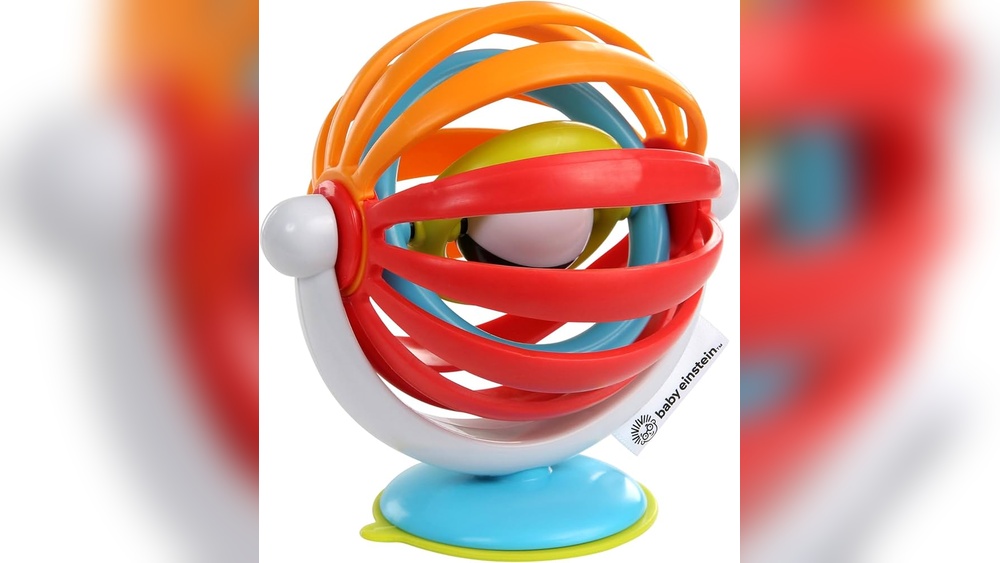
When it comes to choosing toys for your little one, safety is always your top priority. You want to be sure that every toy your baby plays with is free from harmful chemicals.
If you’re wondering, “Are Baby Einstein toys BPA free? ” you’re not alone. This question matters because BPA can affect your baby’s health. You’ll discover the truth about Baby Einstein toys and what makes them safe—or not—for your child. Keep reading to find out exactly what you need to know to protect your baby while encouraging their learning and fun.
Baby Einstein Toy Materials
Baby Einstein toys are popular for their educational value. Parents want to know what materials these toys are made from. Safety is a top concern, especially for babies who often put toys in their mouths. Understanding the materials helps parents make informed choices.
These toys usually use different types of plastics and fabrics. Knowing the type of plastic is important because some plastics may contain harmful chemicals. This section explains the common plastics used and the issue of BPA in children’s products.
Common Plastics Used
Baby Einstein toys often use plastic like polypropylene and polyethylene. These plastics are lightweight and safe for children. They do not easily break, which reduces choking hazards. The toys also include silicone parts, which are soft and flexible. Manufacturers choose these plastics for durability and safety.
Some parts may use ABS plastic, known for its strength and resistance. This helps toys last longer, even with rough use. All plastics used must meet safety standards to be sold for babies.
Bpa In Children’s Products
BPA stands for Bisphenol A, a chemical used in some plastics. It can be harmful to babies if ingested or absorbed. Many parents worry about BPA in baby toys and bottles.
Baby Einstein toys are made without BPA. The brand follows strict safety rules to avoid this chemical. This reduces health risks and makes the toys safer for babies. Always check for BPA-free labels when buying baby products.

Credit: tonguetiecenter.com
Bpa Safety Concerns
BPA safety concerns have grown in recent years. Many parents want to know if their baby’s toys are safe. BPA stands for Bisphenol A. It is a chemical used in some plastics and resins. This chemical can affect children’s health.
BPA is often found in plastic containers and toys. Parents worry about BPA in baby products. Babies explore toys with their mouths. This can lead to BPA exposure. Understanding BPA safety is important for all caregivers.
Health Risks Linked To Bpa
BPA can act like a hormone in the body. It may interfere with normal hormone functions. Studies link BPA to problems in brain development. It can also affect behavior in young children. Some research connects BPA to immune system issues. Long-term exposure might increase risks of chronic diseases.
Regulations On Bpa In Toys
Many countries have rules to limit BPA in toys. These laws aim to protect children from harm. BPA is banned in baby bottles in many places. Toy manufacturers often avoid BPA to meet safety standards. Look for labels that say “BPA free” on toys. This shows the product meets safety guidelines.
Baby Einstein Bpa Policy
Parents want safe toys for their babies. Baby Einstein is a popular brand for infants. Many ask if their toys are BPA free. Understanding the company’s BPA policy helps make informed choices.
BPA, or bisphenol A, is a chemical once common in plastics. It can affect health, especially in young children. Many brands now avoid BPA in baby products.
Company Statements
Baby Einstein clearly states they do not use BPA in their toys. They focus on safe materials for babies. The company assures parents that their products meet safety rules. This includes avoiding harmful chemicals like BPA.
The brand also shares its commitment to quality and safety. They test toys to keep them free from toxins. Parents can trust Baby Einstein to provide safer options.
Product Labeling And Claims
Baby Einstein toys usually show BPA-free labels on packaging. This helps parents spot safe products quickly. The labels follow government guidelines for honesty and clarity.
Some toys may carry additional claims about being non-toxic or phthalate-free. These claims add extra comfort for buyers. Always check the packaging to confirm the BPA-free status.
Third-party Testing And Verification
Third-party testing and verification play a key role in confirming the safety of Baby Einstein toys. These tests ensure the products do not contain harmful chemicals like BPA. Independent checks add trust and proof to the brand’s claims.
Independent Lab Results
Trusted labs test Baby Einstein toys to check for BPA and other toxins. These labs follow strict rules and use precise tools. Their results show if the toys meet safety standards. Parents can rely on these reports for honest information.
Certification Standards
Baby Einstein toys often meet important safety certifications. These include standards from bodies like ASTM and CPSIA. Certification means the toys passed tough tests for chemicals and materials. It confirms the toys are safe for babies to use.
Consumer Experiences
Consumer experiences offer valuable insights about Baby Einstein toys. Parents share real opinions about safety and quality. These views help others make informed choices for their children.
Parent Reviews
Many parents praise Baby Einstein toys for being colorful and engaging. They note that the toys keep their babies interested for long periods. Some mention the toys help with early learning and sensory skills. Parents often appreciate the sturdy design and easy cleaning features. A few reviews highlight the toys are lightweight and easy for babies to hold. Overall, most parents feel the toys are worth the price and safe for their little ones.
Safety Complaints And Recalls
Some consumers reported concerns about small parts coming loose. These issues could pose choking hazards for infants. A few parents mentioned unpleasant odors from new toys. Baby Einstein has issued recalls for certain products in the past. The company responds quickly to safety complaints and fixes problems. Checking recall information before buying can help avoid risks. Most parents agree the brand takes safety seriously and improves over time.
Alternatives To Bpa-containing Toys
Toys containing BPA can pose health risks to babies. Choosing alternatives without BPA helps keep children safe. Many brands now offer toys made from safe materials. Parents can find options that protect their little ones.
Bpa-free Toy Brands
Several toy companies focus on BPA-free products. Brands like Green Toys, Hape, and PlanToys use safe plastics. These companies avoid harmful chemicals in their manufacturing. Their toys pass strict safety tests. This ensures babies play with safe items.
Safe Materials For Baby Toys
Materials such as silicone, natural wood, and BPA-free plastic are safe. These materials do not release harmful chemicals. Natural wood toys are durable and non-toxic. Silicone toys are soft and easy to clean. Choosing these materials reduces health risks for babies.
Tips For Choosing Safe Baby Toys
Choosing safe toys for babies is very important. Babies explore the world by touching and chewing toys. Unsafe toys can harm their health. Parents must be careful when selecting toys. Here are some simple tips to help choose safe baby toys.
Reading Labels And Certifications
Always check the toy’s label before buying. Look for “BPA free” to avoid harmful chemicals. Certifications like ASTM or EN71 mean the toy meets safety rules. These marks show the toy passed safety tests. Avoid toys with unclear or missing information.
Maintaining Toy Hygiene
Keep baby toys clean to stop germs. Wash toys regularly with soap and water. Soft toys may need machine washing. Plastic toys can be wiped with a damp cloth. Clean toys help protect babies from sickness.
Credit: ukneqasiccish.org

Credit: www.amazon.com
Frequently Asked Questions
Are Baby Einstein Toys Made With Bpa-free Materials?
Yes, Baby Einstein toys are made with BPA-free plastics to ensure child safety. The brand prioritizes non-toxic materials in all its products.
Why Is Bpa-free Important For Baby Toys?
BPA-free toys prevent harmful chemical exposure in babies. BPA can disrupt hormones, so BPA-free ensures safer play for infants.
How Can I Verify If A Baby Einstein Toy Is Bpa-free?
Check the product packaging or description for BPA-free labels. Official Baby Einstein websites and retailers also confirm toy safety standards.
Are All Baby Einstein Toys Safe For Newborns?
Most Baby Einstein toys are designed for newborns and are BPA-free. Always check age recommendations and safety certifications before purchase.
Conclusion
Baby Einstein toys generally do not contain BPA. These toys focus on safety and quality for young children. Parents can feel more at ease choosing them. Always check the product label to be sure. Safety matters most for babies and toddlers.
Choosing BPA-free toys helps protect your child’s health. Trustworthy brands share clear information about materials used. Keep your child’s environment safe and clean. Simple steps make a big difference in child safety. Baby toys should support growth without harmful chemicals.
