

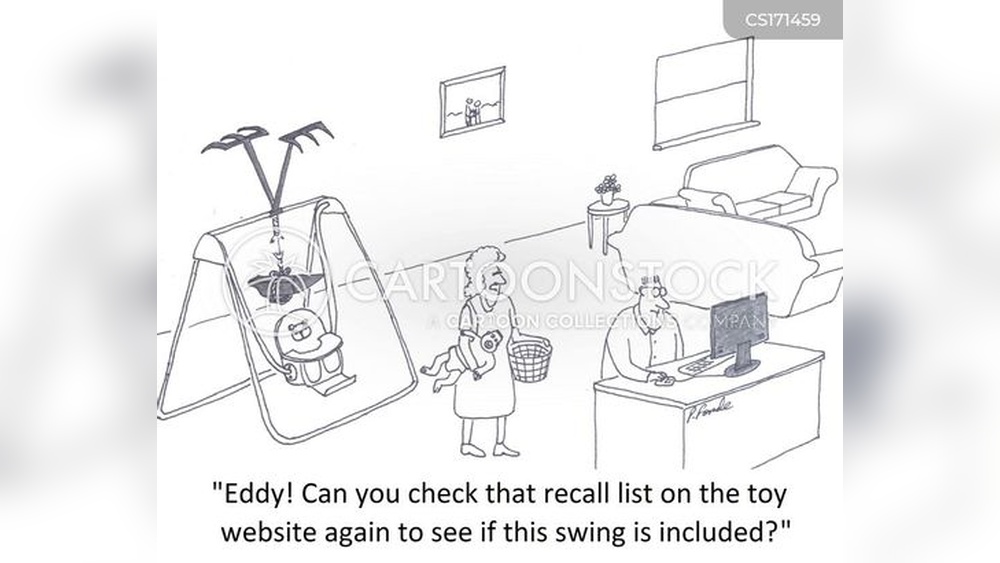
You want to keep your child safe while they play, but how can you be sure the toys they use are free from hidden dangers? Checking toy recall lists is one simple step that can protect your family from harmful products.
You’ll learn exactly how to find and understand these lists quickly and easily. By knowing what to look for, you’ll gain peace of mind and ensure your child’s toys are safe and fun. Keep reading to discover the straightforward ways you can stay informed and keep your loved ones out of harm’s way.

Credit: www.seacoastonline.com
Why Toy Recalls Matter
Toy recalls protect children from dangerous products. Toys with defects can cause injuries or choking hazards. Checking recall lists helps keep homes safe.
Parents and caregivers must know why recalls happen. Understanding their importance encourages careful toy selection. Safety starts with awareness and action.
Protecting Children From Harm
Toys with sharp edges or small parts can hurt children. Recalls stop these toys from reaching kids. This reduces the risk of accidents and injuries.
Preventing Choking And Poisoning
Many toys have small pieces that can choke young kids. Some toys use harmful chemicals. Recalls remove these hazards quickly.
Saving Money And Stress
Buying a recalled toy can lead to costly medical bills. Returning or fixing toys saves money. It also prevents stress for families.
Keeping Up With Safety Standards
Toy recalls happen when products fail safety tests. These recalls ensure manufacturers fix or remove unsafe toys. This keeps safety rules strong.
Common Reasons For Toy Recalls
Toy recalls happen for many safety reasons. These recalls protect children from harm. Understanding common recall causes helps parents stay alert.
Manufacturers must follow strict rules. Sometimes, toys still have hidden dangers. Knowing these risks keeps playtime safe and fun.
Choking Hazards
Small parts can break off easily. Children may swallow or choke on them. Toys with loose pieces often get recalled. Always check the size and sturdiness of toy parts.
Toxic Materials
Some toys contain harmful chemicals. Lead paint and unsafe plastics pose risks. These materials can cause illness or allergies. Recalls remove toys with toxic substances from shelves.
Battery And Electrical Risks
Batteries can leak or overheat. Faulty wiring may cause shocks or fires. Toys with poor electrical safety get recalled quickly. Always inspect battery compartments and wiring quality.
Where To Find Toy Recall Lists
Finding toy recall lists is important to keep children safe. These lists tell you which toys may be dangerous. You can find recall information from several reliable sources. Each source helps you check if a toy has been recalled quickly.
Government Websites
Government sites offer official recall lists. The Consumer Product Safety Commission (CPSC) in the U.S. updates toy recalls regularly. Their site is easy to search by toy name or brand. These sites provide detailed recall reasons and how to respond.
Manufacturer Announcements
Toy makers post recall news on their websites. Check the brand’s site for alerts and instructions. Some brands send emails to customers about recalls. Manufacturer announcements often include return or repair details.
Consumer Safety Organizations
Groups focused on child safety share recall news too. They gather information from many sources and post updates. These organizations offer tips on spotting unsafe toys. Their sites help parents stay informed about new recalls.
Credit: www.cpsc.gov
How To Search Recall Lists Effectively
Knowing how to search recall lists effectively helps keep your child’s toys safe. Recall lists can be long and confusing. Using clear methods makes the process easier and faster. This section explains simple ways to find recalls that matter to you.
Using Product Name And Model Number
Start with the product name. Use the exact name on the toy’s label or box. Add the model number if you have it. This number is usually on the tag or packaging. Searching with both narrows down results. It helps find the right recall information fast.
Checking Batch And Serial Numbers
Batch and serial numbers show when and where the toy was made. These numbers are often printed on the toy or its box. Checking them against recall lists can pinpoint specific recalls. This step avoids confusion with similar products. Keep these numbers handy before searching.
Setting Up Recall Alerts
Recall alerts send updates straight to your email. Sign up on official safety or consumer websites. Choose alerts for toys or specific brands. This keeps you informed without searching again. Alerts provide timely safety information for peace of mind.
What To Do If Your Toy Is Recalled
Discovering a toy is recalled can be worrying. Acting fast helps keep your child safe. Knowing the right steps makes handling recalls easier. Here are key actions to take if your toy is on a recall list.
Stopping Use Immediately
Stop your child from playing with the recalled toy. Remove the toy from their reach right away. Using the toy could cause injury or harm. Do not try to fix the toy yourself.
Following Return Or Repair Instructions
Check the recall notice for specific instructions. Some toys need to be returned to the store or manufacturer. Others may have repair kits or replacement parts. Follow these steps carefully to ensure safety.
Contacting Customer Support
Reach out to the company’s customer support for help. They provide details on returns, refunds, or repairs. Keep your receipt or proof of purchase ready. Customer support can answer your questions clearly.
Tips To Prevent Buying Recalled Toys
Preventing the purchase of recalled toys protects children from harm. It also saves money and stress for parents. Simple steps can help buyers avoid unsafe products. These tips focus on research, trusted sellers, and safety checks.
Researching Before Purchase
Start by checking toy recall lists online. Visit official safety websites for the latest updates. Search the toy’s name and brand to spot any recalls. Read reviews to learn about others’ experiences. This research helps spot risks before buying.
Buying From Trusted Sellers
Choose stores known for quality and safety. Avoid unknown sellers or suspicious websites. Trusted sellers usually follow strict safety rules. They often remove recalled products quickly. Buying from them reduces the chance of unsafe toys.
Inspecting Toys For Safety Labels
Look closely at the toy’s packaging for safety labels. Check for certification marks like ASTM or CE. These show the toy meets safety standards. Avoid toys without clear labels or with damaged packaging. This simple check adds extra protection for children.
Resources For Staying Updated On Toy Safety
Staying updated on toy safety helps protect children from unsafe products. Parents and caregivers can access many resources to learn about recalls quickly. These resources provide clear information about dangerous toys and safety alerts.
Using these tools regularly makes it easier to keep children safe. Here are some useful ways to stay informed about toy recalls and safety news.
Subscription To Safety Newsletters
Many organizations offer free newsletters about toy safety. These newsletters send important recall alerts directly to your email. Signing up takes just a few minutes and keeps you informed without searching online. Newsletters often include tips to choose safe toys and avoid risks.
Using Safety Apps
Safety apps provide instant alerts about toy recalls. These apps scan product barcodes and check recall databases. They give quick warnings if a toy is unsafe or recalled. Apps are easy to use and update automatically with new safety information.
Joining Parent And Consumer Groups
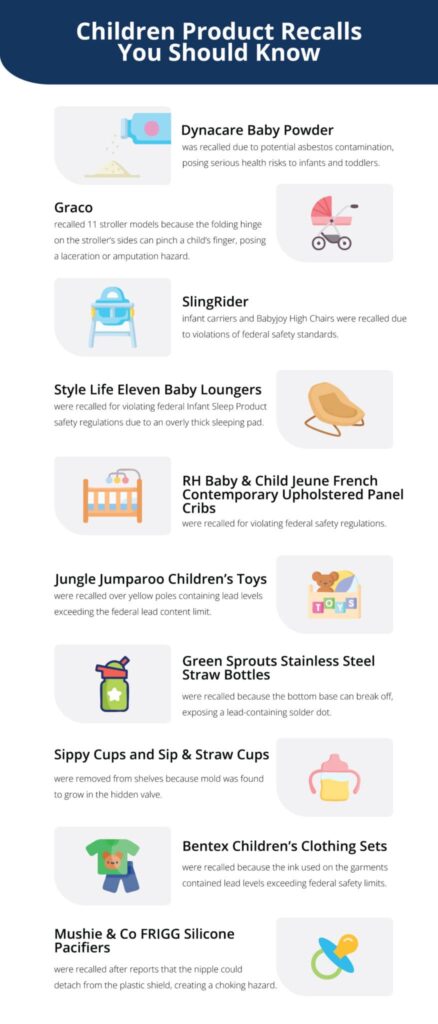
Parent and consumer groups share real-time safety updates and advice. Members discuss experiences with recalled toys and safe alternatives. These groups offer support and reliable information from other caregivers. Joining local or online groups helps you stay alert to new recalls.
Credit: www.lanierlawfirm.com
Frequently Asked Questions
How Can I Find Current Toy Recall Lists?
You can find toy recall lists on official websites like the U. S. Consumer Product Safety Commission (CPSC). They update recall notices regularly, ensuring you get the latest safety information for toys.
Why Should I Check Toy Recall Lists Regularly?
Checking toy recall lists helps protect your child from unsafe toys. It ensures you avoid products with hazards like choking risks, chemicals, or faulty parts.
Are Online Retailers Responsible For Toy Recalls?
Yes, many online retailers notify customers about recalls. They often provide updates and refund options if you purchased a recalled toy.
What Details Do Recall Lists Provide About Toys?
Recall lists include the toy’s brand, model, hazard description, and recall date. This helps you identify if a toy you own is affected.
Conclusion
Checking toy recall lists keeps children safe from harmful products. Visit trusted websites often to stay updated. Always read recall details carefully before buying or using toys. Share recall information with family and friends to protect others. Taking small steps can prevent accidents and injuries.
Stay alert and make smart choices for your child’s well-being. Safety matters most when it comes to children’s toys. Keep checking recall lists regularly to avoid risks. Your care helps create a safer playtime for all.
