

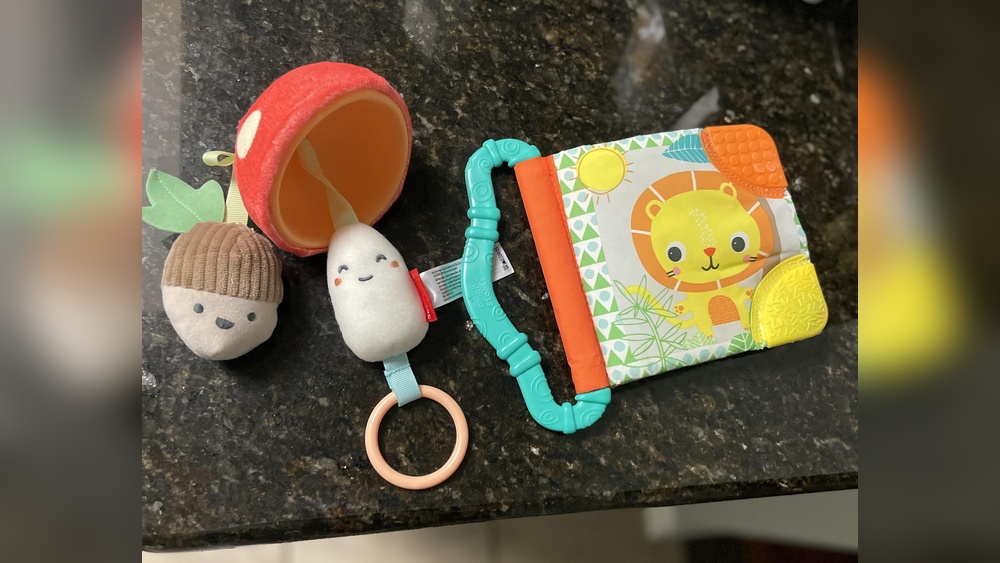
Are you wondering if it’s safe to put your baby’s toys in a sterilizer? Keeping your little one’s playthings clean is important for their health, but you might be unsure about the best way to do it.
You want to protect your baby from germs without damaging their favorite toys. You’ll discover which toys can safely go in a sterilizer and how to keep your baby’s toys fresh and germ-free. Keep reading to find simple, effective tips that make cleaning easier and safer for your child.

Credit: babybrezza.com
Types Of Baby Toys
Baby toys come in many shapes and materials. Each type needs different care. Knowing what toys can be sterilized helps keep your baby safe. Some toys handle sterilizing well. Others might get damaged or unsafe.
Materials Used In Toys
Baby toys are made from plastic, wood, fabric, and rubber. Plastic toys are common and easy to clean. Wooden toys feel natural but need gentle care. Fabric toys are soft but can hold germs inside. Rubber toys are flexible and often used for teething.
Toys Suitable For Sterilizing
Hard plastic toys without batteries are safe for sterilizers. Silicone teething toys also handle sterilizing well. Small plastic rattles and teethers usually work fine. Look for toys labeled dishwasher or sterilizer safe. These toys can be cleaned in boiling water or steam.
Toys To Avoid Sterilizing
Wooden toys can crack or warp from heat. Fabric toys may shrink or lose softness. Toys with electronic parts will break in sterilizers. Soft stuffed animals often lose shape or color. Avoid sterilizing any toy with delicate paint or glue.
Credit: www.ecoparkcampogrande.com.br
Sterilizer Methods
Keeping baby toys clean is very important for your child’s health. Sterilizing toys removes germs and bacteria that can cause sickness. Different sterilizer methods work well for different types of toys. Understanding these methods helps you choose the best way to keep your baby’s toys safe and clean.
Each method has its own benefits and steps. Some are quick and easy, while others may need more time. Let’s explore the common sterilizer methods used for baby toys.
Steam Sterilizers
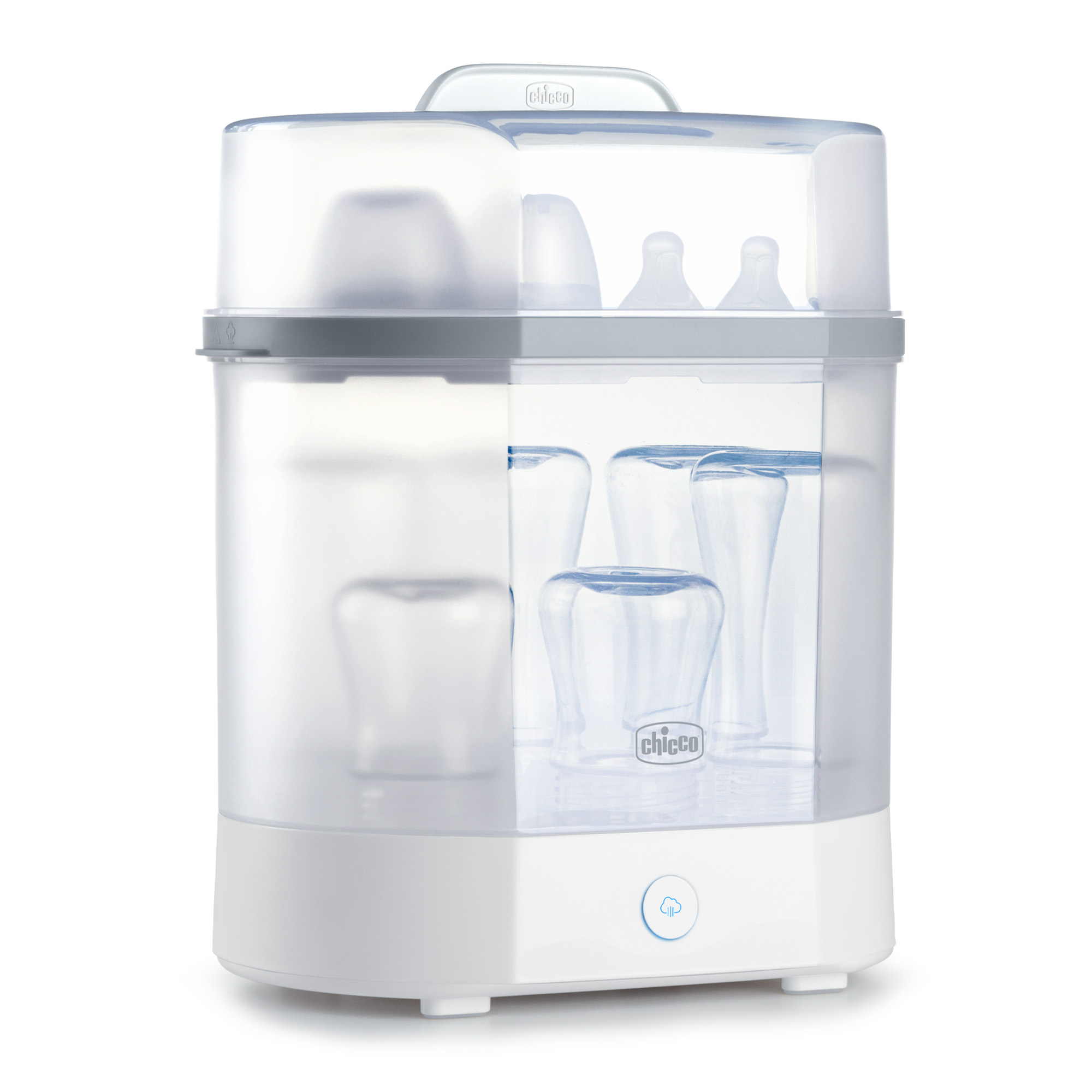
Steam sterilizers use hot steam to kill germs on baby toys. The steam reaches high temperatures that destroy bacteria and viruses. This method works well for plastic and silicone toys. It is fast and does not use chemicals. Steam sterilizers are easy to use and often come as electric devices. Make sure the toy is safe for heat before using this method.
Uv Sterilizers
UV sterilizers use ultraviolet light to clean baby toys. The light damages the germs’ DNA, stopping them from growing. This method is chemical-free and gentle on toys. It works best for toys that cannot get wet. UV sterilizers need a power source and can take a few minutes to work. This method is safe and effective for many toy materials.
Boiling Water Method
The boiling water method is simple and affordable. You place toys in boiling water for a few minutes to kill germs. This method is good for hard, heat-safe toys. Avoid using boiling water on toys with batteries or electronic parts. Boiling water kills most bacteria but may not remove all dirt. Always check the toy’s label to ensure it can handle boiling.
Safety Considerations
Keeping baby toys clean is important for your child’s health. Using a sterilizer can help remove germs. Safety must come first to avoid damage or harm. Not all toys are safe for sterilizing. Knowing what to check protects your baby and toys.
Checking Toy Labels
Always read the toy’s label before sterilizing. Look for instructions about cleaning and heat exposure. Some toys say “not safe for sterilizer.” Follow these warnings strictly. Labels help you choose the right cleaning method. If no label is present, avoid sterilizing to be safe.
Avoiding Heat Damage
Sterilizers use high heat that can melt or warp toys. Soft plastic and rubber toys often cannot handle heat. Hard plastic toys may be safer but check first. Heat damage can make toys unsafe to chew or hold. Use low heat or cool sterilizer settings if possible.
Chemical Safety
Some sterilizers use chemicals or steam to clean toys. Chemicals may leave harmful residues on toys. Choose sterilizers that use only steam or water. Rinse toys well after chemical sterilizing. Avoid toys with paint or small parts that chemicals can damage.
Step-by-step Cleaning Process
Cleaning baby toys in a sterilizer is a smart way to keep them safe and germ-free. Follow these simple steps to clean toys properly. This process helps remove dirt and bacteria that can harm your child. Each step is important for effective sterilization.
Preparing Toys For Sterilization
Start by checking the toy’s label for sterilizer safety. Remove any batteries or electronic parts. Wash toys with warm, soapy water to remove dirt. Rinse toys well to remove soap residue. Place toys in the sterilizer tray without overcrowding.
Using The Sterilizer Correctly
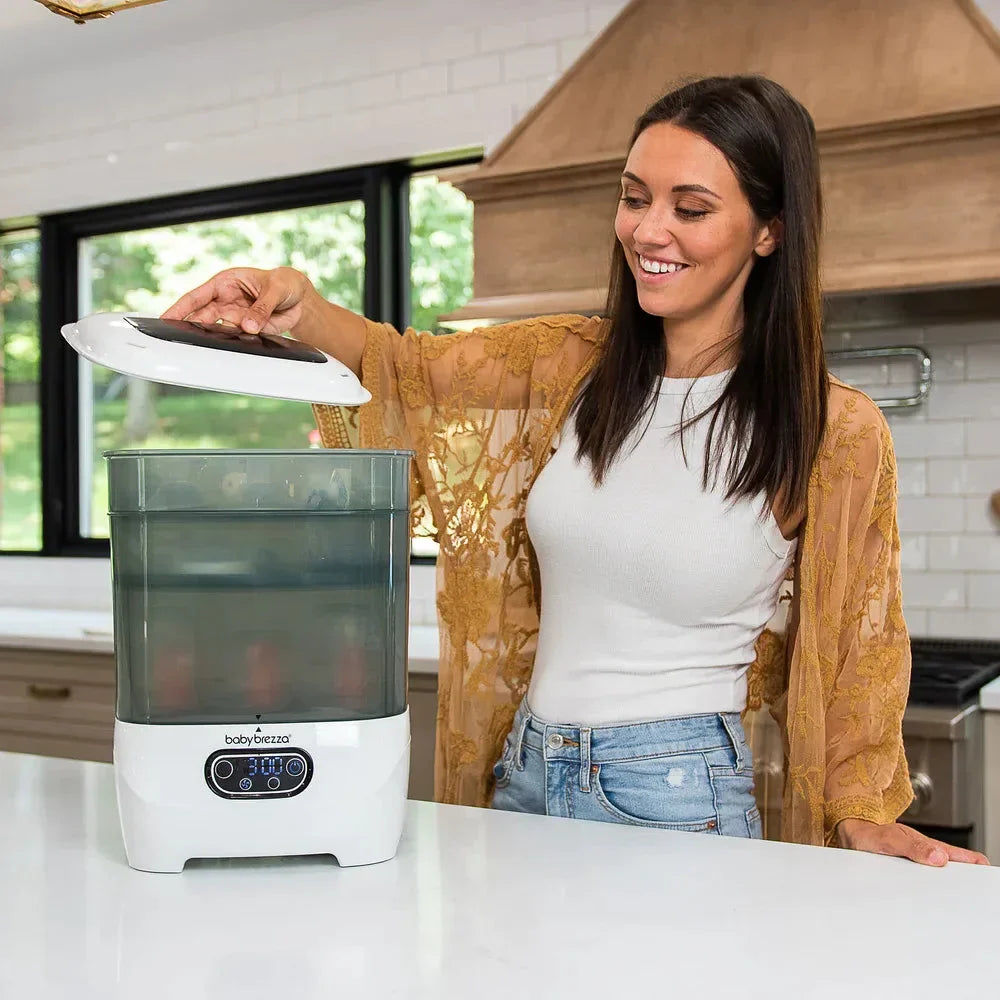
Fill the sterilizer with clean water as the instructions say. Place the tray with toys inside the sterilizer. Close the lid tightly to prevent steam from escaping. Turn the sterilizer on and select the right cycle. Wait until the sterilizer finishes the complete cycle.
Drying And Storing Toys
Carefully remove toys from the sterilizer after the cycle. Let the toys air dry on a clean towel or rack. Avoid using cloths that can leave lint on toys. Store dry toys in a clean, sealed container. Keep toys ready for the next use without germs.
Alternative Cleaning Options
Sterilizers are popular for cleaning baby toys, but not all toys suit this method. Some toys can get damaged or lose their color. Alternative cleaning options keep toys safe and clean. These methods are gentle yet effective. They help maintain hygiene without harsh treatments.
Hand Washing Techniques
Hand washing baby toys is simple and safe. Use warm water and mild soap. Gently scrub the surface with a soft cloth or sponge. Pay attention to small parts and crevices. Rinse thoroughly to remove all soap. Let toys air dry completely before use. This method works well for plastic and rubber toys.
Using Baby-safe Cleaning Solutions
Choose cleaning products made for babies. They are free from harmful chemicals. Vinegar diluted with water is a natural cleaner. Mix one part vinegar with two parts water. Spray or wipe toys with this solution. Rinse toys with water after cleaning. Avoid bleach and strong detergents as they can irritate babies.
Regular Maintenance Tips
Clean toys regularly to avoid germs and dirt buildup. Inspect toys for damage or mold. Remove toys with cracks or broken parts. Store toys in a clean, dry place. Rotate toys to reduce wear and tear. Keeping toys tidy helps your baby stay healthy and happy.
Credit: babybrezza.com
Common Mistakes To Avoid
Sterilizing baby toys keeps them safe and clean. Many parents want to do this right. Some common mistakes can harm the toys or reduce their safety. Avoid these errors to protect your baby and their toys.
Over-sterilizing Toys
Sterilizing toys too often can cause damage. Plastic toys may crack or fade. Soft toys can lose their shape or softness. Clean toys regularly, but do not sterilize every day. Follow a balanced schedule to keep toys safe and long-lasting.
Mixing Different Toy Materials
Many baby toys have different materials. Some parts may not handle heat or steam well. Putting all toys together in the sterilizer can cause melting or warping. Sort toys by material type. Sterilize only those safe for your sterilizer method.
Ignoring Manufacturer Guidelines
Toy makers give clear care instructions. Ignoring these can ruin toys. Some toys are not made for sterilizing. Check labels or manuals before sterilizing. Follow the guidelines to keep toys safe and usable.
Frequently Asked Questions
Can All Baby Toys Be Put In A Sterilizer?
Not all baby toys are safe for sterilizers. Check toy labels for material and heat resistance before sterilizing. Soft, electronic, or battery-operated toys should not go in a sterilizer to avoid damage.
How Often Should Baby Toys Be Sterilized?
Sterilize baby toys weekly or after exposure to germs. Frequent sterilizing helps prevent infections and keeps toys hygienic. Always clean toys before sterilizing for best results.
What Types Of Sterilizers Are Safe For Baby Toys?
Steam sterilizers and UV sterilizers are safe for most baby toys. Avoid chemical sterilizers unless recommended by the manufacturer. Choose sterilizers designed specifically for baby products for safety.
Can Plastic Baby Toys Withstand Sterilization Heat?
Most hard plastic baby toys can withstand steam sterilization. However, check for BPA-free and heat-safe labels. Avoid sterilizing soft or painted plastic toys that may melt or deform.
Conclusion
Sterilizing baby toys helps keep germs away and babies safe. Not all toys can go in the sterilizer. Always check the toy’s label or instructions first. Soft or electronic toys might get damaged in the sterilizer. Clean toys regularly with warm water and mild soap too.
Keeping toys clean supports your baby’s health and happiness. Simple steps make a big difference. Choose the right method for each toy. Stay careful and keep your baby’s playtime safe and fun.
