

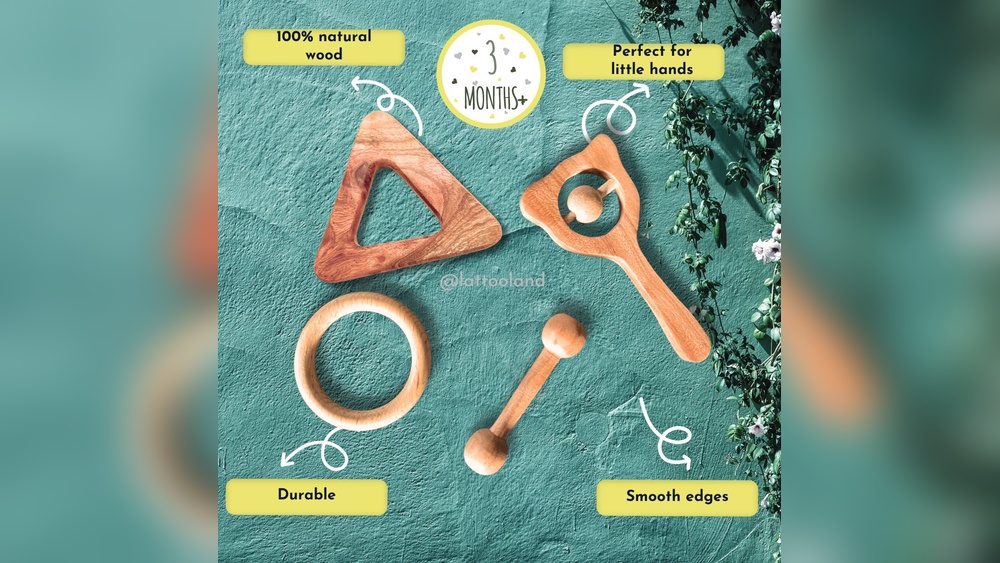
Are you wondering if wood teething toys are safe for your baby? As a parent, you want the best for your little one, especially when it comes to their health and comfort.
Teething can be a tough time, and choosing the right toy can make all the difference. But with so many options out there, how do you know if wooden teething toys are truly safe? Keep reading to discover what you need to look for to protect your baby and make teething easier and safer.
Benefits Of Wood Teething Toys
Wood teething toys offer many advantages for babies and parents. They provide a safe, natural option for soothing sore gums. These toys also support healthy development in early childhood. Parents often choose wood toys for their simplicity and reliability.
Wood teething toys stand out because of their material and design. They bring a unique sensory experience that plastic toys cannot match. The benefits go beyond teething relief to include safety and skill growth.
Natural Materials And Baby Safety
Wood teething toys are made from natural, non-toxic materials. They do not contain harmful chemicals found in some plastics. This makes them safer for babies to chew and explore. The smooth surface of wood reduces the risk of cuts or splinters. Many wood toys use natural oils for finishing, avoiding artificial paints or coatings.
Durability Compared To Plastic Toys
Wood toys last longer than plastic ones. They resist cracks, breaks, and wear better. Wood can handle chewing and biting without damage. Parents appreciate that these toys stay intact through rough use. This durability means fewer replacements and less waste.
Sensory And Motor Skill Development
Wood teething toys help babies develop their senses. The natural texture feels different from smooth plastic. This variety enhances tactile learning. Wood toys also encourage grasping and hand movements. These activities support fine motor skills and coordination. Babies benefit from the firm, safe resistance wood provides during chewing.
Potential Risks With Wood Teething Toys
Wood teething toys are popular for their natural feel and durability. Many parents trust them as safe options. Still, some risks can come with these toys. Being aware helps keep babies safe and happy during teething.
Choking Hazards And Small Parts
Small pieces can break off from wood toys. Babies might put these in their mouths. This can cause choking or swallowing problems. Toys must be sturdy and made as one solid piece. Avoid toys with tiny parts that come loose easily.
Splinters And Surface Finish Concerns
Rough or damaged wood can cause splinters. Splinters may hurt a baby’s gums or skin. Toys should have smooth surfaces and be regularly checked. Sanding rough edges prevents splinters. Using high-quality wood reduces this risk.
Toxic Chemicals And Paints To Avoid
Some wood toys have harmful paints or finishes. Chemicals may cause allergies or poisoning. Select toys with non-toxic, child-safe coatings. Natural oils or water-based finishes are best. Avoid bright paints with lead or heavy metals.
Choosing Safe Wood Teething Toys
Choosing safe wood teething toys is important for your baby’s health. Babies put toys in their mouths a lot. The right toy should not harm them in any way. Parents must check the safety of the toy before buying it. Several factors affect the safety of wooden teething toys.
Focus on the quality of materials, the size and shape, and safety certifications. These details ensure the toy is safe and gentle for your baby’s gums. Below are key points to consider.
Certification And Safety Standards
Check for safety certifications on the toy’s packaging. Certifications show the toy meets health and safety rules. Look for marks like ASTM, CPSIA, or EN71. These guarantee the toy is free from harmful chemicals. Certified toys reduce the risk of choking and poisoning. Always choose toys that meet recognized safety standards.
Types Of Wood And Finishes
Natural wood like maple, beech, or birch is best for teething toys. These woods are strong and safe for babies. Avoid soft woods like pine, which can splinter easily. The finish on the wood must be non-toxic and water-based. Avoid paints or varnishes with harmful chemicals. Untreated or naturally oiled wood is safest for baby’s mouth.
Size And Shape Considerations
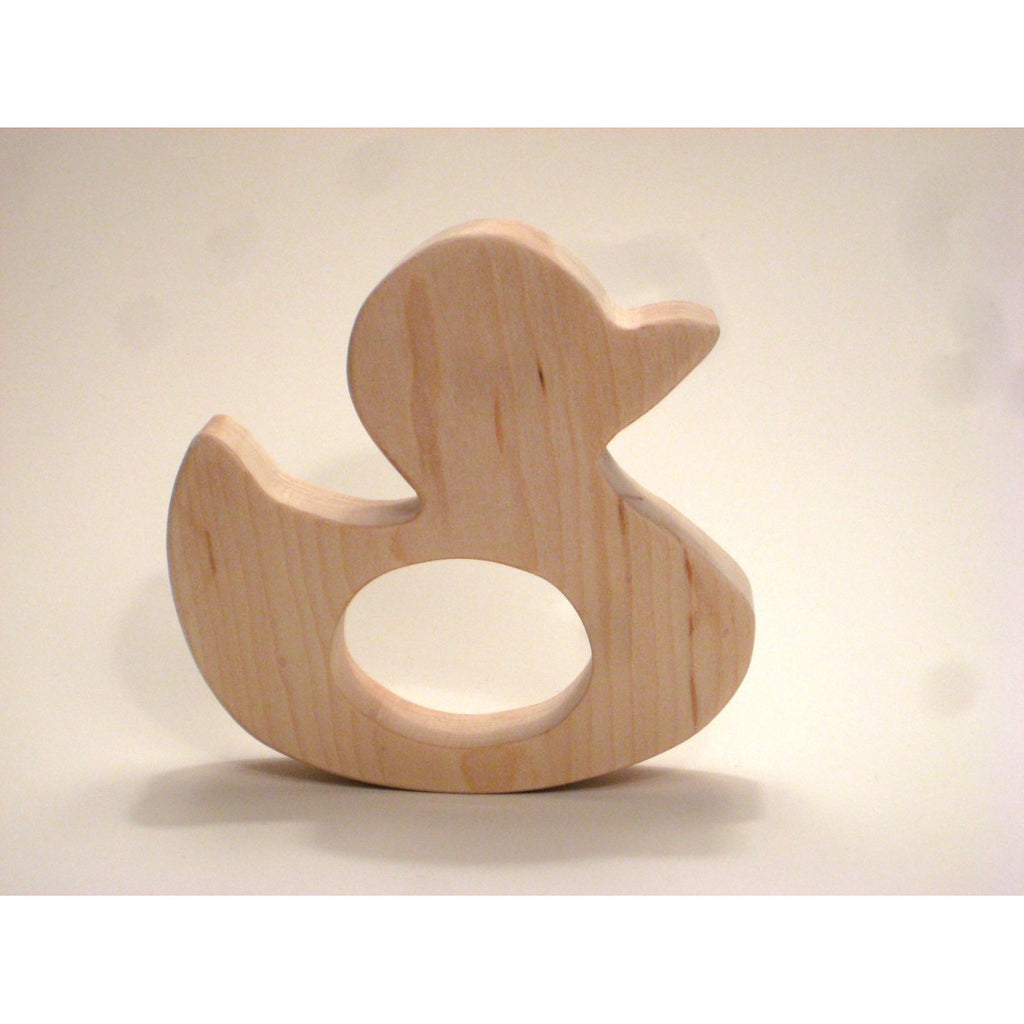
The toy’s size should prevent choking hazards. It must be large enough to avoid getting stuck in the throat. Smooth edges and rounded shapes protect your baby’s gums. Avoid toys with small parts or sharp corners. Simple shapes make it easier for babies to hold and chew safely.

Credit: www.amazon.com
Cleaning And Maintenance Tips
Keeping wood teething toys clean is key to your baby’s health. Dirt and germs build up fast on toys your baby chews. Good cleaning and care help keep toys safe and last longer. This section shares simple tips to clean and care for wooden teething toys safely.
Safe Cleaning Methods For Wood Toys
Use mild soap and warm water to clean wood toys. Avoid soaking toys in water to protect the wood. Wipe toys gently with a soft cloth or sponge. Rinse with clean water and dry thoroughly. Do not use harsh chemicals or bleach. These can damage the wood and harm your baby.
Avoiding Mold And Bacteria Build-up
Keep toys dry after cleaning to stop mold growth. Store toys in a dry place with good air flow. Check toys often for any signs of mold or mildew. Clean toys right away if they get wet or dirty. Regular drying and cleaning reduce bacteria and keep toys fresh.
When To Replace Teething Toys
Replace toys if the wood cracks or splinters. Damaged toys can hurt your baby’s gums. Also, replace toys if they smell bad or show mold spots. Worn out toys lose safety and hygiene. Always choose new toys to keep your baby safe and healthy.
Expert Opinions And Recommendations
Experts share useful advice about wood teething toys for babies. Their views help parents make safe choices. This section covers advice from doctors, real parent stories, and a look at wood toys versus other options.
Pediatrician Advice On Teething Toys
Pediatricians often recommend teething toys to soothe babies’ gums. They stress choosing toys made from safe, non-toxic materials. Wood toys are praised for being natural and sturdy. Doctors warn parents to avoid toys with small parts that can break off. They suggest cleaning teething toys regularly to prevent germs. Many pediatricians say wood toys are a good choice if they are smooth and untreated.
Parent Testimonials And Experiences
Parents report positive experiences with wood teething toys. Many say their babies enjoy chewing on wood more than plastic. They notice fewer allergies and skin reactions with wood. Some parents appreciate the durability of wood toys. Others mention the natural smell of wood as calming. Parents also highlight the ease of cleaning wood toys. Some warn to watch for splinters and buy quality products only.
Comparing Wood Toys With Alternatives
Wood teething toys differ from plastic and silicone options. Wood is natural and often free from chemicals. Plastic toys can contain BPA or phthalates, which worry some parents. Silicone toys are soft but may attract dirt. Wood toys last longer but may need careful cleaning. Each type has pros and cons. Choosing depends on baby’s needs and family preferences.

Credit: www.amazon.com
Credit: littlewoodenwonders.com
Frequently Asked Questions
Are Wood Teething Toys Safe For Babies?
Yes, wood teething toys are safe when made from non-toxic, untreated wood. They are natural, durable, and free from harmful chemicals, making them ideal for soothing babies’ gums during teething.
How To Choose Safe Wooden Teething Toys?
Choose wooden toys with smooth edges, non-toxic finishes, and BPA-free certifications. Ensure they meet safety standards and avoid toys with small parts that pose choking risks.
Can Wooden Teething Toys Cause Allergies?
Wooden teething toys rarely cause allergies. However, ensure the wood type is safe and free from allergens like latex or certain chemical finishes to prevent allergic reactions.
How To Clean Wooden Teething Toys Safely?
Clean wooden teething toys with mild soap and warm water. Avoid soaking or harsh chemicals to prevent wood damage and maintain toy safety for babies.
Conclusion
Wood teething toys can be safe for babies if chosen carefully. Pick toys made from natural, untreated wood. Avoid toys with small parts or toxic finishes. Always clean and check toys regularly for damage. Babies enjoy chewing on wood because it feels good on their gums.
Parents should watch their babies while using these toys. Safety and comfort matter most during teething. Wood toys offer a simple, natural option for soothing sore gums. Trust your instincts and choose quality products. Your baby deserves safe, gentle relief during teething time.
