

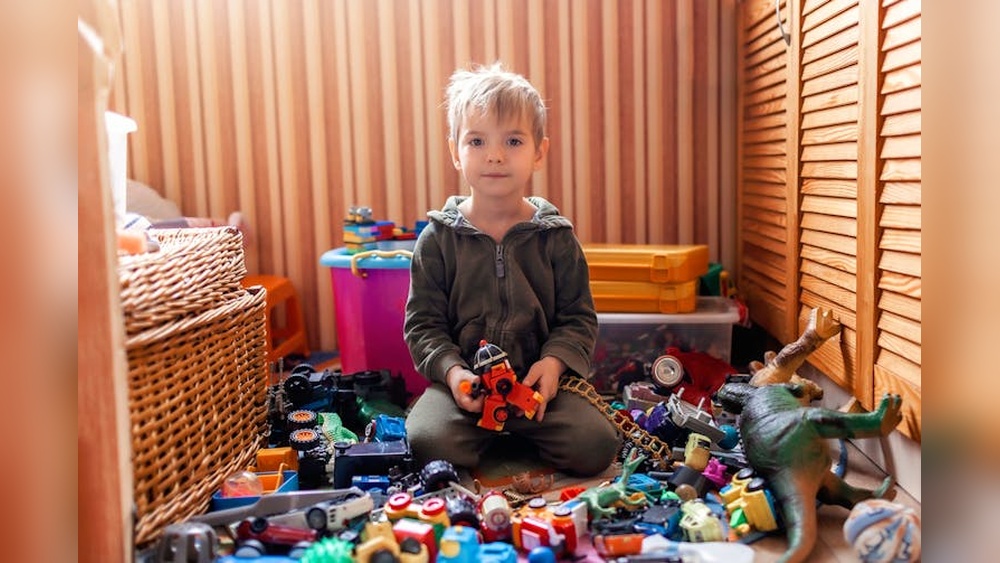
Have you ever wondered if giving your child too many toys could actually do more harm than good? It’s natural to want to see your kid happy, but could all those toys be spoiling them without you even realizing it?
You’ll discover how too many toys might affect your child’s behavior, creativity, and appreciation for what they have. Keep reading to find out how to strike the perfect balance for your little one’s growth and happiness.
Effects Of Excessive Toys
Too many toys can affect a child’s growth in many ways. It is not just about fun. Excessive toys can change how kids behave and learn important life skills. Understanding these effects helps parents make better choices.
Children need balance. Toys should support their development, not overwhelm it. Less can be more when it comes to playthings.
Impact On Behavior
Having many toys can make children restless. They might jump from one toy to another quickly. This can cause frustration and impatience. Kids may also expect to get new toys often. This can lead to tantrums or bad behavior when they do not.
Attention And Focus Issues
Too many toys can distract children. They may find it hard to focus on one thing. This affects learning and creativity. A simple toy can hold attention longer than many toys. Kids need quiet play time to build focus skills.
Materialism And Gratitude
Lots of toys can make children value things too much. They may forget to appreciate what they have. This can hurt their sense of gratitude. Teaching kids to enjoy simple toys helps build thankfulness and contentment.
:max_bytes(150000):strip_icc()/GettyImages-995614498-c47891dd123a45ea828226e62710e593.jpg)
Credit: www.parents.com
Psychology Behind Spoiling
The psychology behind spoiling helps us understand how too many toys affect children. It is not just about giving gifts. It is about how these gifts meet emotional needs. Children need love, attention, and guidance more than things.
Parents play a big role in shaping their child’s behavior. Setting limits teaches children discipline and respect. Without boundaries, kids may expect more and learn less about gratitude.
Overindulgence can cause problems in how children see the world. It may lead to selfishness and difficulty handling disappointment. The effects go beyond just having too many toys.
Emotional Needs Vs. Material Gifts
Children crave love and attention from parents. Toys cannot replace time spent together. Giving many toys may confuse children about what matters most. Emotional support builds confidence and trust, unlike objects.
Role Of Parental Boundaries
Parents must set clear rules about gifts and behavior. Boundaries help kids understand limits and consequences. Limits teach respect for others and patience. Without them, children might demand more and show less gratitude.
Consequences Of Overindulgence
Too many toys can make children feel bored or ungrateful. They may struggle to share or appreciate what they have. Overindulgence can lead to selfishness and poor social skills. Learning to wait and work for things is important for growth.
Signs Your Child Is Spoiled
Knowing the signs your child is spoiled helps guide better parenting choices. Spoiled children show certain behaviors that affect their growth. These signs often appear when kids get too many toys or gifts. Spotting them early can prevent problems later.
Here are some common signs that suggest a child might be spoiled.
Entitlement Attitudes
Children who feel entitled expect everything to come easily. They believe they deserve special treatment all the time. This attitude can make them rude or demanding. They may not respect rules or limits set by adults.
Lack Of Patience
Spoiled kids often want things immediately. They have trouble waiting for their turn or a reward. This impatience can lead to tantrums or frustration. Learning to wait helps build self-control and understanding.
Difficulty Sharing
Sharing is hard for kids who are spoiled. They want to keep toys and treats only for themselves. This behavior can hurt friendships and social skills. Teaching sharing early encourages kindness and cooperation.
Credit: www.morethangrand.com
Balancing Toy Giving
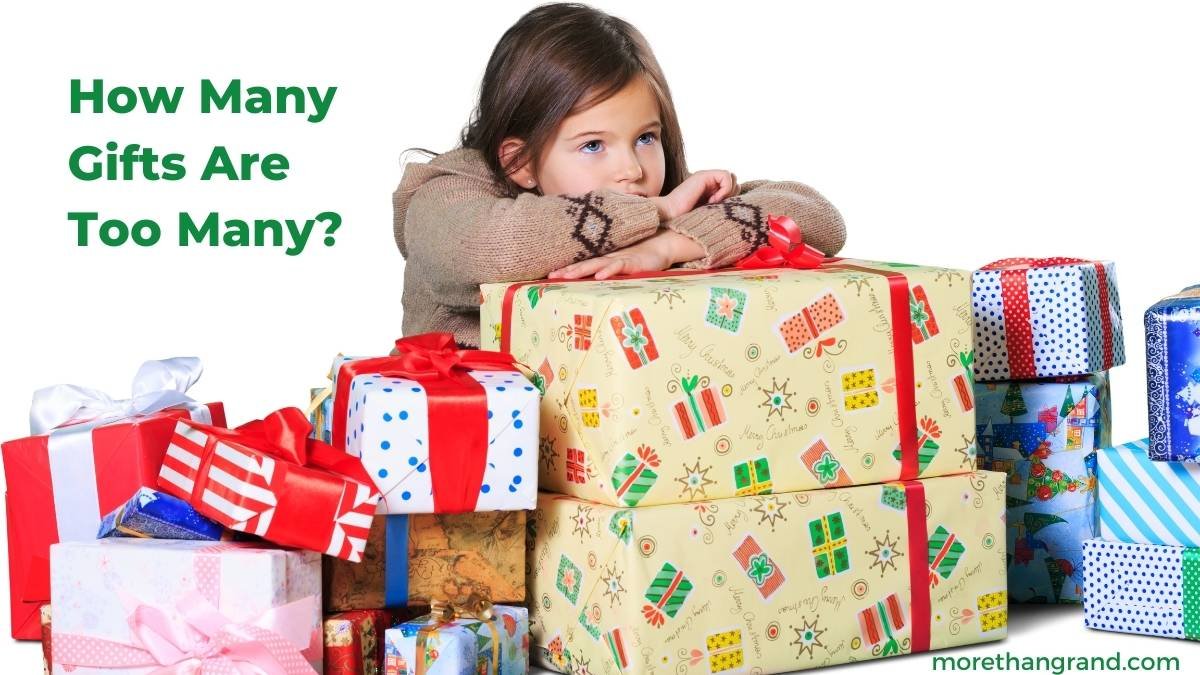
Giving toys to kids is part of showing love and care. Yet, too many toys can overwhelm children. Balancing toy giving helps children enjoy their toys more. It also teaches them value and gratitude. Parents play a key role in finding the right balance.
Choosing the right toys and setting clear limits makes a big difference. Encouraging kids to appreciate what they have helps prevent spoiled behavior. This balance supports healthy growth and happy childhoods.
Quality Over Quantity
Focus on giving fewer toys but with better quality. Good toys last longer and offer more learning. Cheap toys break easily and lose interest fast. Quality toys encourage creativity and skills. Kids enjoy playing more with toys that are well made.
Setting Limits
Set clear rules about how many toys a child can have. Too many toys can cause clutter and stress. Limits teach kids to make choices and wait for new toys. It helps them value what they already own. Consistency in rules keeps the habit strong.
Encouraging Appreciation
Teach kids to care for their toys and be thankful. Praise them for sharing and playing nicely. Talk about how toys are gifts and not just things. Appreciation reduces demands for more toys. It builds respect and happiness in children.
Alternatives To Toys
Too many toys can overwhelm a child and limit their creativity. Alternatives to toys offer better ways to help children grow and learn. These options focus on experiences and skills that last longer than toys.
Experiences And Activities
Experiences create strong memories and teach important lessons. Trips to parks, museums, or libraries offer new sights and sounds. Nature walks help children explore and ask questions. Simple activities like cooking or gardening build useful skills. These moments encourage curiosity and real-world learning.
Creative Play Ideas
Creative play lets children use their imagination freely. Drawing, painting, or crafting with everyday items sparks creativity. Building with blocks or recycled materials teaches problem-solving. Dress-up and role-play develop storytelling and empathy. These activities need little money but provide rich fun.
Fostering Social Skills
Social skills grow best through interaction with others. Playdates and group activities teach sharing and cooperation. Team sports and clubs improve communication and teamwork. Family meals and conversations build listening and respect. These experiences help children connect and thrive socially.

Credit: www.istockphoto.com
Tips For Parents
Parents often worry about spoiling their kids with too many toys. It is important to find a balance. Teaching children good habits helps them value what they have. Simple strategies can guide parents in raising thankful and well-behaved kids.
Communicating Expectations
Set clear rules about toys and gifts early on. Explain how many toys are enough. Talk about sharing and caring for toys. Children understand better when parents explain reasons calmly. Keep the message simple and consistent.
Modeling Gratitude
Show thankfulness for small things every day. Say “thank you” often and mean it. Praise children when they appreciate gifts or acts of kindness. Gratitude grows when kids see it in their parents. This helps them want to be thankful too.
Consistent Discipline
Stick to rules about toys and behavior firmly. Avoid giving extra toys as a reward for bad behavior. Use gentle but clear consequences for breaking rules. Consistency teaches kids limits and self-control. It helps them learn respect and responsibility.
Frequently Asked Questions
Can Too Many Toys Spoil A Child’s Behavior?
Yes, too many toys can overwhelm kids, reducing gratitude and focus. It may encourage materialism and lessen creativity, impacting behavior negatively.
How Do Toys Affect A Child’s Development?
Toys stimulate learning, imagination, and motor skills. However, too many can distract and hinder emotional growth and problem-solving abilities.
What Are Signs A Child Is Spoiled By Toys?
Signs include constant demands for new toys, lack of sharing, impatience, and undervaluing possessions. These indicate potential overindulgence.
How Can Parents Prevent Spoiling With Toys?
Limit the number of toys, rotate them regularly, and teach gratitude. Encourage play that promotes creativity and social skills.
Conclusion
Too many toys can overwhelm a child and reduce their joy. Kids may lose interest quickly and want new things all the time. Teaching children to appreciate what they have helps build patience and gratitude. Parents can guide kids to choose toys wisely and share with others.
Balance matters for healthy growth and happy playtime. Simple toys often spark creativity and long-lasting fun. Quality time and attention mean more than quantity of toys. Finding the right amount keeps kids excited and well-behaved.
