

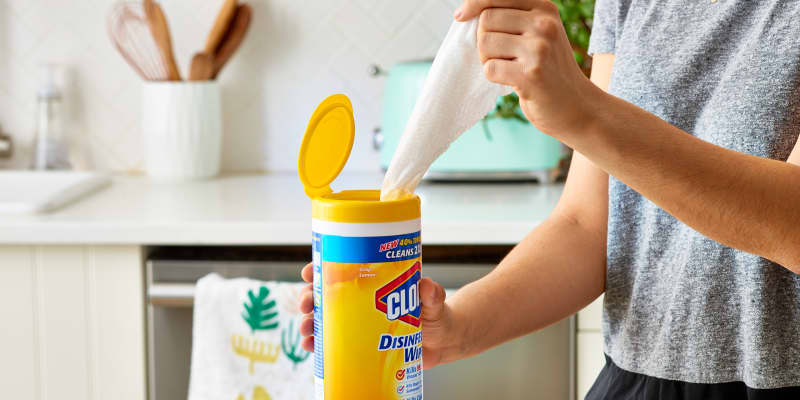
You want to keep your baby’s toys clean and safe, but are you sure the products you use won’t harm them? If you’ve ever wondered, “Are Clorox disinfecting wipes safe for baby toys?” you’re not alone.
You want effective cleaning without risking your little one’s health. You’ll discover what makes these wipes safe—or not—and how to protect your baby while keeping their toys germ-free. Keep reading to find simple, trustworthy answers you can rely on.

Credit: www.clorox.com
Clorox Wipes Ingredients
Clorox disinfecting wipes are popular for cleaning many surfaces. Parents often wonder about their safety on baby toys. Understanding the ingredients helps make a smart choice. These wipes contain several chemicals that kill germs quickly. Knowing what is inside can show if they are safe for babies.
Active Chemicals In Clorox Wipes
Clorox wipes mainly contain benzalkonium chloride as the active ingredient. This chemical kills bacteria and viruses on surfaces. It works fast to disinfect areas touched often. Besides benzalkonium chloride, the wipes have other ingredients like water, alcohol, and cleaning agents. These help remove dirt and kill germs. Some wipes also contain fragrances and preservatives to keep them fresh. The exact mix can differ slightly by product type.
Potential Risks For Babies
Benzalkonium chloride can irritate a baby’s skin and eyes. Babies often put toys in their mouths. Chemicals left on toys may cause discomfort or allergic reactions. Fragrances and preservatives might also trigger sensitivities. Wipes are not made for direct use on baby items without rinsing. Small amounts of residue can remain after wiping. This residue could be harmful if ingested or touched frequently. Always check labels and follow safety advice for baby products.
Credit: www.centromedicoloira.com
Safety Concerns For Baby Toys
Cleaning baby toys is important to keep germs away. Parents want to use safe cleaners that do not harm their little ones. Clorox Disinfecting Wipes are popular for killing germs quickly. Still, safety concerns arise about using these wipes on baby toys. The main worries focus on leftover chemicals and how they affect sensitive skin.
Understanding these safety issues helps parents choose the best cleaning methods. This section explains the risks of toxic residues and allergy problems linked to Clorox wipes on baby toys.
Toxic Residue Risks
Clorox wipes contain chemicals that kill germs fast. Some chemicals can leave a thin layer on toy surfaces. Babies often put toys in their mouths. This can lead to swallowing small amounts of these residues. Even tiny amounts may cause stomach upset or other problems.
Many experts say wiping toys with water after disinfecting reduces residue risks. Rinsing helps remove leftover chemicals. Avoid using wipes on toys that cannot be rinsed easily. Toys with soft or porous parts may trap residues more.
Allergy And Sensitivity Issues
Babies have delicate skin that reacts easily. Some ingredients in Clorox wipes may cause skin irritation or allergic reactions. Signs include redness, rash, or itching around the mouth or hands. These reactions can be uncomfortable and last several days.
Parents should watch for any skin changes after using disinfected toys. If a baby shows signs of allergy, stop using the wipes on toys. Choose gentle cleaning options made for sensitive skin or baby products. Testing a small area before full use can prevent problems.
Proper Use On Baby Toys
Using Clorox disinfecting wipes on baby toys can help reduce germs. Proper use is key to keep toys safe for little ones. Following the right steps ensures toys stay clean without harmful residue.
Recommended Cleaning Methods
Choose wipes labeled safe for hard, non-porous surfaces. Wipe the entire toy surface gently but thoroughly. Avoid using wipes on soft, absorbent toys. Do not saturate the toy with liquid. Use a fresh wipe for each toy to prevent cross-contamination.
Rinsing And Drying Guidelines
After wiping, rinse the toy with water to remove any residue. Use clean water and a soft cloth or rinse under running water. Allow toys to dry completely before giving them to your baby. Air drying is best to avoid adding chemicals. Dry toys prevent bacteria growth and keep your baby safe.
Alternatives To Clorox Wipes
Choosing the right cleaning method for baby toys is important. Many parents want safer alternatives to Clorox wipes. These wipes can contain chemicals that may not be ideal for babies.
Several options exist that clean effectively without harsh ingredients. These alternatives help keep toys safe and germ-free. Let’s explore some baby-safe products and natural solutions.
Baby-safe Cleaning Products
Many brands offer cleaning products made specifically for baby items. These products avoid strong chemicals and toxins. They use gentle ingredients that kill germs safely.
Look for wipes and sprays labeled as non-toxic and hypoallergenic. These are made to avoid skin irritation and allergic reactions. Using these products helps keep your baby’s environment clean and safe.
Natural Cleaning Solutions
Natural ingredients can also clean toys well without chemicals. Vinegar and water mix kills many germs and is safe for babies. Baking soda can remove stains and odors gently.
Lemon juice works as a natural disinfectant and leaves a fresh smell. These natural solutions are easy to make at home. They offer a safer way to clean while protecting your baby’s health.
Expert Recommendations
Experts provide clear advice on using Clorox disinfecting wipes for baby toys. Their guidance helps parents keep toys safe and clean without risk. Understanding their advice supports better choices for your child’s health.
Pediatrician Advice
Pediatricians say to clean baby toys carefully. They recommend using wipes that are safe and non-toxic. Wipes should kill germs but not leave harmful chemicals. After wiping, let toys dry fully before giving them to babies. This reduces the chance of skin irritation or ingestion of residues.
Doctors suggest avoiding wipes with strong scents or alcohol. These can irritate sensitive baby skin. Pediatricians also advise washing hands after cleaning toys. This keeps both toys and adults safe from germs.
Manufacturer Guidelines
Clorox makers give clear steps for using their wipes safely. They warn not to use wipes on toys that go in the mouth. Always check the toy’s label for cleaning instructions. Some materials can get damaged by disinfectants.
The manufacturer says to wipe surfaces gently. Do not soak toys with the wipes. Allow toys to air dry completely before use. This ensures no chemical residue remains.
Following these rules helps keep baby toys clean and safe. It also extends the life of the toys by avoiding damage.

Credit: acquetech.com
Frequently Asked Questions
Are Clorox Wipes Safe For Cleaning Baby Toys?
Clorox wipes can be safe if used properly. Always wipe toys thoroughly and allow them to air dry. Avoid using on porous or fabric toys to prevent chemical absorption. Check the label for baby-safe guidelines before use.
How Long Should Clorox Wipes Dry On Baby Toys?
Let Clorox wipes dry for at least 3 to 5 minutes. This ensures effective disinfection and prevents chemical residue. Never rinse the toy after wiping unless the instructions advise it. Air drying is the safest method.
Can Clorox Wipes Harm Babies If Residue Remains?
Small residue may irritate sensitive skin or cause allergic reactions. Always let toys dry completely before giving them to babies. Wipe toys gently and avoid overusing disinfectants to minimize risks.
Are Clorox Wipes Effective Against Germs On Baby Toys?
Yes, Clorox wipes kill 99. 9% of common germs and bacteria. They help reduce the risk of infections from contaminated toys. Use them regularly, especially during illness outbreaks, for safe cleaning.
Conclusion
Clorox disinfecting wipes can clean baby toys effectively. Still, make sure to rinse toys well after wiping. This removes any leftover chemicals that might harm babies. Always check the toy’s material before using wipes. Some surfaces may react badly to strong cleaners.
For safer play, choose wipes made for children’s items. Keep toys dry after cleaning to stop germs from growing. Clean toys often to protect your baby’s health. Simple steps keep playtime safe and worry-free.
