

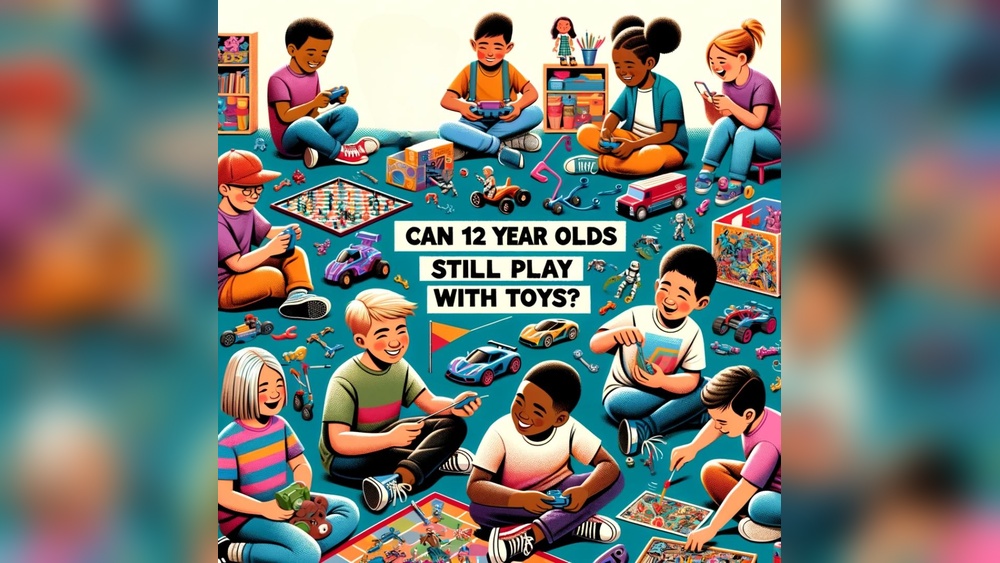
Have you ever wondered if kids still play with toys like they used to? With screens everywhere and gadgets taking over, it’s easy to think that toys might be a thing of the past.
But what if toys are still a big part of your child’s world, shaping their imagination and learning in ways you might not expect? Keep reading to discover the surprising truth about kids and toys today—and why what your child plays with could matter more than you think.
Changing Play Patterns
Children’s play has changed a lot over the years. Toys are still important but how kids play has shifted. Play is no longer only about physical toys. New ways of playing shape children’s daily lives.
These new patterns reflect changes in technology and how children spend time. Understanding these shifts helps us see what play means today.
Shift From Traditional Toys
Many children still enjoy classic toys like dolls, blocks, and cars. These toys help develop creativity and motor skills. But fewer kids play only with these. Physical toys often compete with digital options. Parents buy fewer traditional toys than before. Kids also share toys less often. Playgroups and outdoor play have declined in some places. Still, traditional toys hold a special place in early childhood.
Rise Of Digital Play
Digital devices have changed playtimes. Tablets, smartphones, and computers offer many games and apps. These can be fun and educational. Digital play often includes puzzles, stories, and creative apps. Some children play online with friends. This new play can improve problem-solving and tech skills. Screen time is a common part of play now. Parents watch closely to balance screen time with other activities.
Popular Toy Categories
Toys remain a big part of childhood. Kids enjoy different types of toys that match their interests and age. Some toys help kids learn new skills. Others inspire creativity or encourage active play outside. Popular toy categories show what children like today. These toys blend fun and learning in many ways.
Stem And Educational Toys
STEM toys teach science, technology, engineering, and math. These toys make learning hands-on and exciting. Kids build robots, solve puzzles, and explore experiments. They develop problem-solving skills and creativity. Educational toys also include books and kits for early learners. These toys support school work and spark curiosity.
Collectibles And Action Figures
Collectibles and action figures remain favorites for many kids. They often feature superheroes, cartoon characters, or movie stars. Kids enjoy collecting, trading, and playing with these toys. They create stories and adventures with their figures. These toys encourage imagination and social play with friends.
Outdoor And Active Toys
Outdoor toys help kids stay active and healthy. Bikes, scooters, and balls are popular choices. These toys promote exercise and outdoor fun. Jump ropes and frisbees encourage group play and coordination. Outdoor toys support physical growth and social skills in children.
Impact Of Technology On Play
Technology changes how children play today. Toys are no longer just simple objects. They now combine fun with digital features. This shift impacts kids’ play habits and learning.
Children enjoy playtime that mixes real and virtual worlds. This blend keeps play fresh and exciting. It also helps develop new skills. Technology offers many ways to explore and create.
Augmented Reality Toys
Augmented reality (AR) toys add digital images to real-world views. Kids use devices like tablets or phones to see these images. AR toys make stories and characters come alive around them.
These toys encourage imagination and interaction. Kids can explore virtual worlds while playing physically. AR helps children learn about shapes, colors, and numbers in fun ways.
Smart Toys And Ai Integration
Smart toys use sensors and artificial intelligence (AI) to respond to children. They listen, talk, and even learn from playtime. This interaction makes toys feel more personal and engaging.
AI in toys adapts to each child’s pace and style. It can offer challenges or help with skills like language and problem-solving. These toys make play both educational and entertaining.

Credit: riiroo.com
Parental Influence On Toy Choices
Parents play a big role in choosing toys for their kids. They want toys that are safe and good for learning. Parents also think about what toys fit their child’s interests and personality. Their choices shape what kids play with and enjoy. This influence helps kids grow and learn through play.
Safety And Educational Value
Parents often pick toys that are safe to use. They check for small parts or sharp edges. Toys must meet safety rules to avoid accidents. Parents also want toys that teach new skills. Toys that help with counting, reading, or creativity are popular. Educational toys support learning while kids have fun.
Gender-neutral Toy Preferences
Many parents now choose toys without focusing on gender. They want kids to explore different interests freely. Toys like building blocks, art sets, and puzzles are common choices. These toys encourage imagination and problem-solving. Gender-neutral toys help children play without limits.
Cultural And Regional Variations
Toys are a big part of childhood worldwide. But what kids play with can change a lot. Culture and location shape toy choices. Traditions and local stories influence playtime. Different places have unique toys that reflect their ways of life.
Exploring these differences shows how diverse children’s play can be. It also helps understand how toys connect to culture. Let’s see how toys vary across continents and how local customs affect them.
Toy Trends Across Continents
In North America, electronic toys and action figures are very popular. Kids enjoy video games and interactive gadgets. Europe sees a mix of classic wooden toys and tech-based ones. In Asia, traditional toys like spinning tops still have a strong presence. Yet, modern toys like anime figures are also loved. Africa often features handmade toys using natural materials. These toys tell stories of daily life and nature. South America blends local crafts with global toy trends. Dolls and soccer balls are favorites almost everywhere.
Influence Of Local Traditions
Local traditions shape what toys children use. In Japan, origami and paper crafts are common play items. In India, kids play with marbles and traditional board games. Many Middle Eastern countries use colorful carpets for storytelling and play. Indigenous cultures worldwide create toys that teach skills and history. Festivals also inspire special toys and games for kids. These traditions keep cultural values alive through play.
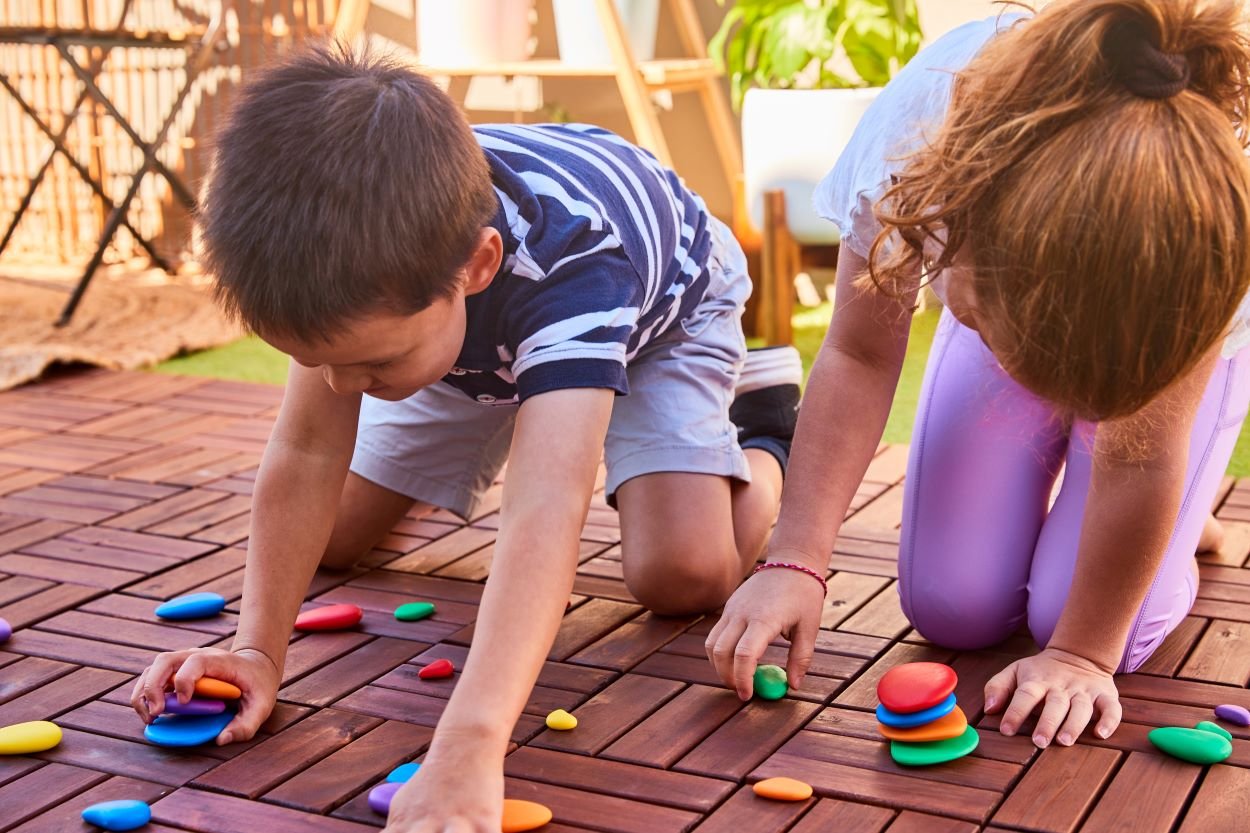
Credit: edxeducation.com
Future Of Toys
The future of toys is bright and full of change. Kids still love to play, but the way toys are made and used is evolving. New ideas and technology shape what toys will be like in the years ahead. These changes focus on making toys better for children and the planet.
Sustainability And Eco-friendly Options
More toys are made from safe, natural materials. Wood, recycled plastics, and organic fabrics are common now. These materials break down easier and harm less. Parents want toys that last and are gentle on Earth. Toy makers listen and create products that reduce waste. This shift helps teach kids to care about nature.
Innovations Shaping Tomorrow’s Toys
Technology plays a big role in new toys. Smart toys can talk, move, and learn from kids. They mix fun with learning in new ways. Augmented reality and apps add excitement and creativity. These toys help children explore and solve problems. They make playtime more interactive and engaging.

Credit: www.reddit.com
Frequently Asked Questions
Do Kids Still Enjoy Playing With Traditional Toys?
Yes, many kids still enjoy traditional toys. They offer hands-on learning, creativity, and social interaction. Classic toys remain popular despite digital alternatives.
How Do Toys Impact Child Development Today?
Toys stimulate imagination, problem-solving, and motor skills. They support emotional growth and learning. Play is vital for healthy childhood development.
Are Digital Toys Replacing Physical Ones Completely?
No, digital toys complement but don’t replace physical toys. Both types offer unique benefits. Many children enjoy a mix of both.
What Types Of Toys Are Most Popular Among Kids Now?
STEM toys, building sets, and interactive figures are trending. Educational and tech-based toys attract interest. Classic toys also maintain steady popularity.
Conclusion
Kids still enjoy playing with toys today. Toys help children learn and have fun. They use their imagination and creativity while playing. Even with digital devices, toys remain important. Parents and teachers see the value in physical play. Toys bring joy and build skills at the same time.
Playtime is not just for fun—it helps growth. So, yes, kids do play with toys, and they always will.
