

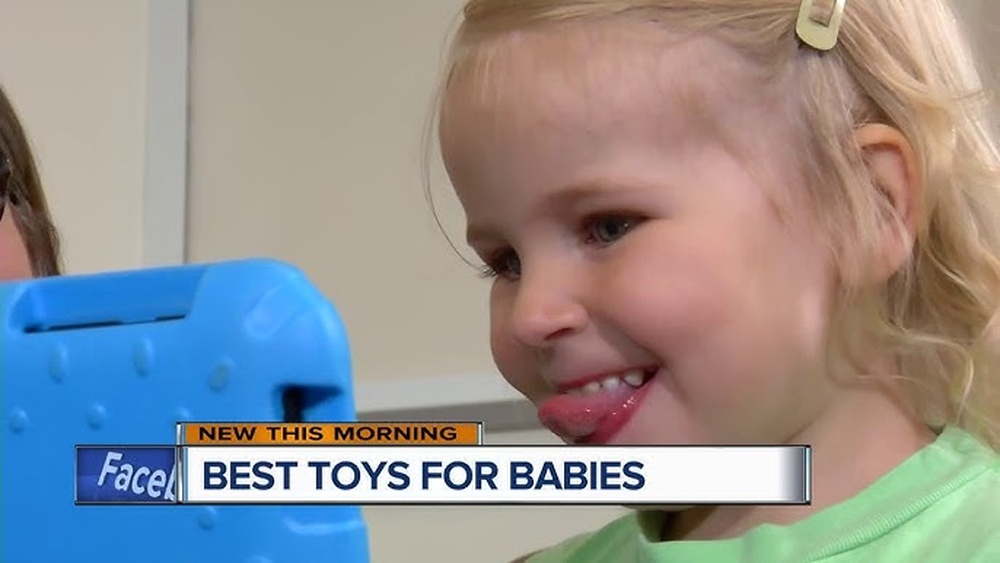
Are electronic toys really good for your baby’s growth, or could they be doing more harm than good? If you’ve ever wondered whether these flashy gadgets help or hurt your little one’s development, you’re not alone.
You want the best for your baby, and making the right choices about their toys is a big part of that. Keep reading to discover surprising facts and expert insights that might change the way you think about electronic toys—and help you make smarter decisions for your child’s future.
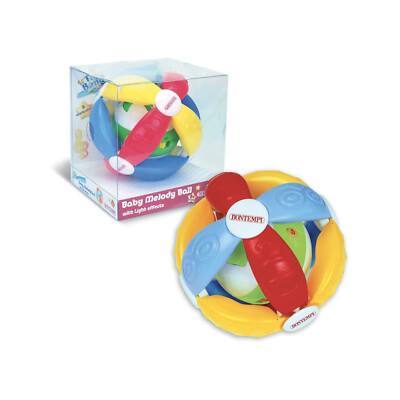
Credit: www.ebay.com
Impact On Baby Development
Electronic toys have a strong influence on a baby’s growth. They affect many parts of development. Some effects can be good, others not so much. Understanding these impacts helps parents choose better toys.
Babies learn a lot from play. Different toys teach different skills. Electronic toys often use lights and sounds. These features can either help or harm a baby’s progress.
Cognitive Growth And Learning
Electronic toys can boost thinking skills. Bright colors and sounds grab a baby’s attention. This can improve focus and memory. Some toys teach cause and effect. This helps babies understand their actions.
Too much screen time can reduce real-world exploration. Babies need to touch and feel objects. Electronic toys might limit these experiences. Balance is key for healthy cognitive growth.
Language Skills And Communication
Many electronic toys include words and songs. These can introduce new sounds and vocabulary. Babies can hear and try to mimic words. This supports early language skills.
Talking with adults helps language more than toys. Babies learn from real conversations. Electronic toys should not replace human interaction.
Motor Skills And Coordination
Electronic toys may help some hand movements. Pressing buttons improves finger strength. Lights and sounds can encourage reaching and grabbing.
Some toys limit movement by focusing on screens. Babies need space to crawl and move freely. Active play builds better motor skills than passive watching.
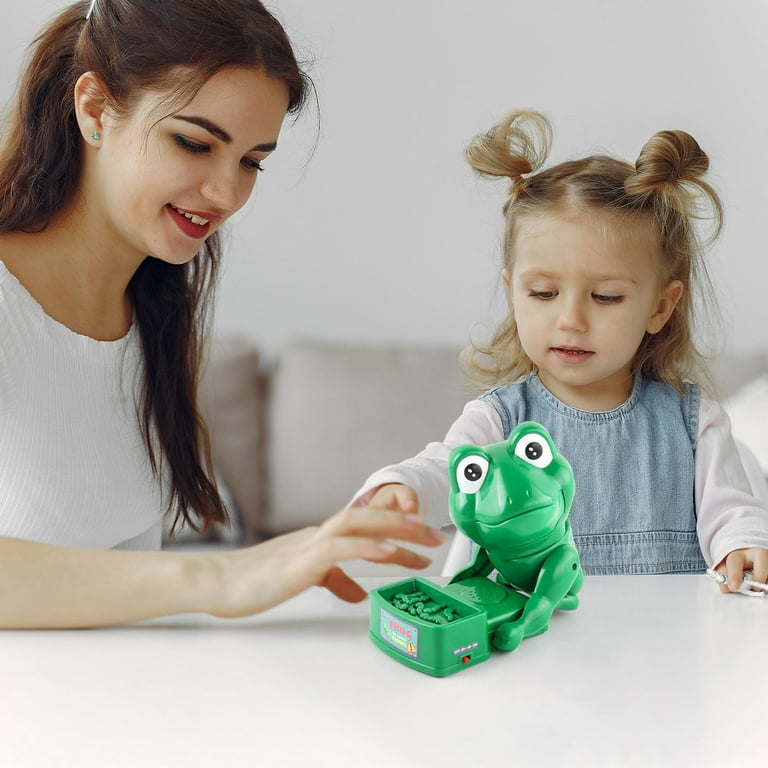
Credit: www.walmart.com
Screen Time Concerns
Screen time for babies raises many concerns. Early exposure to electronic devices may affect their growth and development. Parents often wonder how much screen time is safe. Understanding the risks and guidelines helps make better choices.
Effects Of Excessive Exposure
Too much screen time can cause attention problems in babies. It may delay speech and language skills. Overexposure can reduce physical activity and social interaction. Bright screens also affect sleep quality. Babies need real-world experiences for brain development.
Recommended Limits For Babies
Experts suggest no screen time for babies under 18 months. For toddlers 18 to 24 months, limited, supervised use is okay. For children 2 to 5 years old, one hour or less daily is best. Quality content and parental guidance matter the most. Consistency in limits helps build healthy habits early.
Alternatives To Electronic Screens
Reading books together boosts language and bonding. Playing with toys encourages creativity and motor skills. Outdoor activities support physical health and exploration. Simple games and songs improve social skills. These options offer richer experiences than screens.
Behavioral Effects
Electronic toys are common in many homes with babies. They promise fun and learning. But these toys can also affect a baby’s behavior in several ways. Understanding these effects helps parents choose better play options.
Attention Span Issues
Electronic toys often flash lights and play sounds rapidly. Babies get used to fast, exciting changes. This can make quiet or slow activities boring. Babies may struggle to focus on simple tasks. Their attention span might become shorter over time.
Sleep Disruptions
Many electronic toys use bright lights and sounds even during bedtime. These can keep babies alert and active. It becomes harder for them to fall asleep. Poor sleep affects their mood and overall health. Avoiding such toys before sleep helps maintain good rest.
Emotional Responses
Babies learn to express feelings through interaction. Electronic toys do not respond like people do. This lack of real emotional exchange can confuse babies. It may lead to frustration or less social smiling. Real human contact supports healthy emotional growth better.
:max_bytes(150000):strip_icc()/190731-tech-toys-language-80c5940df3554ad381ebbcb9e80a40a1.jpg)
Credit: www.parents.com
Benefits Of Electronic Toys
Electronic toys offer several benefits for babies. They can support learning and development in fun ways. These toys often combine lights, sounds, and movements to keep babies interested. This helps babies stay focused and curious.
Parents and caregivers often choose electronic toys because they add variety to playtime. These toys can help babies explore new skills safely. The following sections explain key benefits of electronic toys for babies.
Interactive Learning Features
Many electronic toys teach through interaction. Babies press buttons or touch screens to hear sounds or see images. This active participation helps babies learn cause and effect. Interactive toys also introduce colors, shapes, and numbers early. Babies can learn while they play, making learning feel natural and fun.
Stimulating Creativity
Electronic toys encourage babies to use their imagination. Some toys play music or tell stories, inspiring babies to create their own sounds or actions. Others allow babies to mix colors or shapes. This stimulation helps babies think creatively and express themselves. Early creativity supports brain growth and emotional skills.
Enhancing Problem-solving Skills
Electronic toys often include simple puzzles or challenges. Babies try to solve these by pressing the right buttons or matching patterns. This process improves their problem-solving skills. It teaches persistence and helps babies learn how to think step-by-step. These skills build a strong base for future learning.
Safe Use Guidelines
Using electronic toys safely helps babies enjoy play without risks. Parents must follow some simple rules. These keep playtime fun and healthy. Safety is the top priority for every family.
Choosing Age-appropriate Toys
Select toys made for your baby’s age. Age labels show if a toy is safe to use. Toys for older kids may have small parts. These can cause choking hazards. Soft, colorful toys with simple functions work best for babies.
Supervised Playtime Tips
Always watch your baby during play. Electronic toys may have batteries or cords. These parts can be dangerous if left alone. Stay close to help your baby use toys correctly. Your attention prevents accidents and keeps play safe.
Balancing Electronic And Traditional Toys
Mix electronic toys with classic ones like blocks or soft dolls. Traditional toys boost creativity and motor skills. Too many electronic toys may limit your baby’s imagination. A good mix encourages learning and fun in many ways.
Parental Perspectives
Parents have varied views on electronic toys for babies. Some see benefits in learning and fun. Others worry about screen time and development. Understanding these views helps make better choices for children.
Common Concerns And Misconceptions
Many parents think electronic toys may harm babies’ growth. They fear too much screen time can cause attention problems. Some believe these toys replace real play with others.
Others worry electronic toys may limit imagination and creativity. Some parents think babies get less exercise and social skills. These concerns often come from not knowing the right toy or usage time.
Real Experiences And Testimonials
Some parents share positive stories about electronic toys. They say toys teach sounds, letters, and shapes in fun ways. Babies stay interested and learn new skills.
Other parents say balance is key. They let babies use electronic toys in short sessions. They mix with traditional toys and outdoor play. This approach helps babies enjoy both worlds safely.
Frequently Asked Questions
Are Electronic Toys Harmful To Baby Development?
Electronic toys can limit sensory and motor skill development in babies. Excessive screen exposure may affect attention spans. Balanced play with non-digital toys supports cognitive and physical growth better.
How Do Electronic Toys Affect Baby’s Brain?
Electronic toys stimulate certain brain areas but may reduce creativity. Passive screen time can hinder language and social skills. Interactive, real-world play encourages healthy brain development.
Can Electronic Toys Delay Baby’s Social Skills?
Yes, too much electronic toy use can reduce face-to-face interaction. Babies learn social cues best through human contact. Moderation is key for healthy social skill growth.
What Age Is Safe For Electronic Toys?
Experts recommend limiting electronic toy use before age two. Babies under two benefit more from tactile, hands-on play. After two, supervised, educational electronic toys can be introduced gradually.
Conclusion
Electronic toys can be both helpful and harmful for babies. They can teach sounds and colors but may reduce real playtime. Babies need time to explore with their hands and eyes. Parents should choose toys that balance fun and learning.
Watching how babies react helps decide what’s best. Simple, safe toys often work well for healthy growth. The right mix supports baby’s brain and skills. Careful choice matters for happy, healthy play.
