

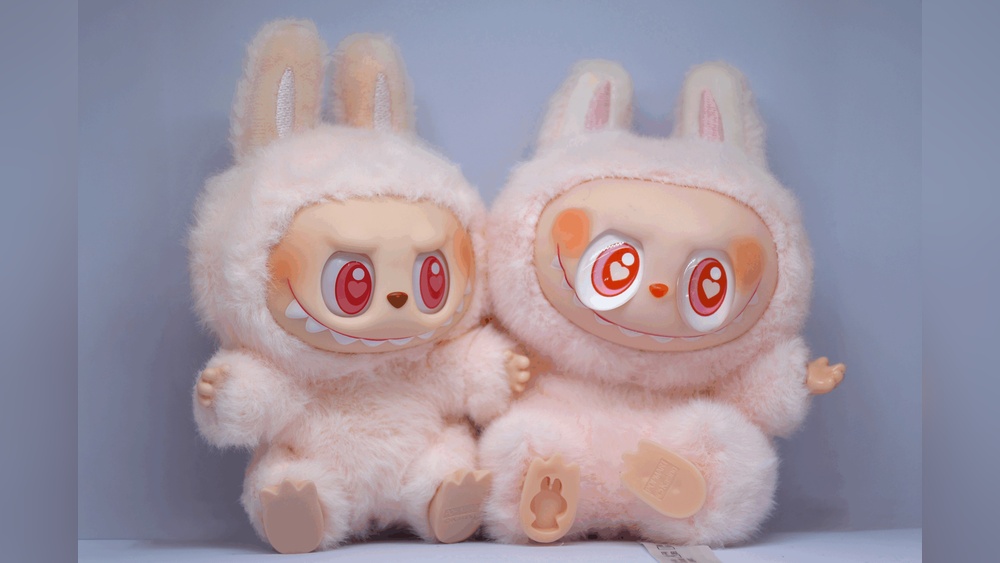
You want the best for your child, especially when it comes to toys. But did you know that some toys, which look just like the real thing, can actually put your child’s safety at risk?
Counterfeit toys might seem like a good deal, but they often hide dangers you won’t see right away. If you care about your child’s health and happiness, it’s important to understand why these fake toys are risky. Keep reading to discover the hidden threats and how you can protect your family from them.

Credit: www.koat.com
Health Hazards
Counterfeit toys pose serious health dangers to children. These toys often lack proper safety checks. This increases risks of harmful effects on kids’ health. Parents and caregivers must understand these hazards to protect children from harm.
Toxic Materials In Counterfeit Toys
Many fake toys contain unsafe chemicals. These include lead, phthalates, and other toxins. Such materials can cause poisoning and long-term health problems. Children may ingest or inhale these chemicals while playing. Genuine toys follow strict rules to avoid toxic substances.
Choking And Injury Risks
Counterfeit toys often have small parts that break easily. These parts can cause choking hazards. Poor design and weak materials increase injury chances. Sharp edges or loose pieces may hurt children. Certified toys meet safety standards to reduce these risks.
Allergic Reactions And Skin Irritations
Fake toys may use low-quality paints and plastics. These can cause skin rashes and allergies in sensitive children. Prolonged contact can worsen these skin problems. Genuine products use safe coatings to prevent allergic reactions. Parents must watch for any skin changes after playtime.
Safety Standards Lacking
Counterfeit toys often miss important safety standards. These toys do not go through strict testing or quality checks. Children playing with these toys face risks that real, tested toys avoid. Below, we explore why safety standards lack in counterfeit toys.
Absence Of Quality Control
Genuine toys pass many quality tests. Counterfeit toys skip these checks. Missing quality control means toys may have sharp edges or loose parts. Such defects can hurt children during play.
Flammable And Breakable Parts
Fake toys often use cheap materials. These materials can catch fire easily. They may also break into small pieces. Broken parts can cause choking or cuts.
Unreliable Manufacturing Processes
Counterfeit toys are made quickly without care. Unsafe chemicals and poor craftsmanship are common. This leads to harmful toys that can damage health and safety.
Economic Impact
Counterfeit toys cause serious economic problems. These fake products hurt honest businesses and the whole toy market. The impact reaches far beyond just lost sales. It affects jobs, safety, and even crime funding. Understanding this economic damage helps explain why counterfeit toys are risky for everyone.
Loss To Legitimate Businesses
Fake toys steal money from real companies. These businesses invest in safe materials and proper tests. Counterfeiters do not spend on quality or safety. This unfair competition lowers sales for honest sellers. Many small toy makers struggle to survive. The loss reduces funds for new and better toys.
Effect On Toy Industry Jobs
The toy industry supports many workers worldwide. Making, designing, and selling toys provide jobs for millions. Fake toys reduce company profits. Companies may cut jobs or close factories. This leads to unemployment and less income for families. Fewer jobs mean less money spent in local communities.
Funding Illegal Activities
Counterfeit toy sales often support crime networks. These groups use profits for harmful actions. Money from fake toys may fund drug trafficking or violence. Buying fake products can unknowingly help criminals. Stopping counterfeit toys helps reduce illegal activities.

Credit: www.neurotags.com
Legal Consequences
Counterfeit toys bring serious legal problems. Selling fake toys breaks the law and harms many people. Laws protect consumers and honest businesses from unsafe and illegal products. Understanding these legal consequences helps everyone stay safe and avoid trouble.
Penalties For Selling Counterfeit Toys
People caught selling fake toys face heavy fines and jail time. Courts treat counterfeit goods as a serious crime. Penalties can include paying large sums of money and losing business licenses. Sellers risk damaging their reputation and future opportunities. Law enforcement agencies actively pursue those who trade counterfeit toys.
Consumer Rights And Recalls
Consumers have rights when they buy fake toys. They can report unsafe products to authorities. Governments often order recalls of counterfeit toys to protect children. Recalls remove dangerous toys from stores and homes. Buyers may also get refunds or replacements for recalled items. These actions help keep families safe and hold sellers responsible.
International Trade Issues
Counterfeit toys cause problems in global trade. Countries may block shipments of fake toys at borders. Importers and exporters can lose trust and face stricter inspections. Trade laws punish businesses that deal in counterfeit goods. These issues slow down trade and increase costs for everyone. Fighting counterfeit toys supports fair and safe international commerce.
How To Spot Fake Toys
Spotting fake toys helps keep children safe and ensures good quality. Counterfeit toys often look real but hide many risks. Learning simple checks can save money and protect kids from harm.
Checking Packaging And Labels
Genuine toys have clear, neat packaging. Look for spelling mistakes or blurry images. Official logos and trademarks must be present and sharp. Check for safety marks like CE or ASTM. Missing or faded labels raise red flags.
Price And Purchase Location Clues
Fake toys usually cost much less than real ones. Extremely low prices can mean poor quality or danger. Buy toys from trusted stores or official websites. Avoid street vendors or unknown sellers. These places often sell counterfeit products.
Inspecting Toy Quality And Details
Real toys use strong, safe materials. Feel the weight and texture for consistency. Fake toys may have rough edges or loose parts. Check paint jobs for smudges or uneven colors. Small details show the real from the fake.
Protecting Your Family
Protecting your family means keeping children safe from harmful toys. Counterfeit toys often hide dangers that many parents don’t see. These toys may contain toxic materials or small parts that break easily. They can cause choking, poisoning, or injuries. Taking steps to avoid fake toys helps keep your children safe and healthy.
Buying From Trusted Retailers
Choose stores with a good reputation. Trusted retailers sell toys that meet safety rules. Check for proper labels and safety marks on the toy. Avoid buying from street vendors or unknown websites. These places often sell fake or unsafe products. Buying from known sellers reduces the risk of dangerous toys.
Educating Children About Toy Safety
Teach children to recognize safe toys. Explain that some toys can hurt them. Show them how to spot broken or loose parts. Remind kids not to put small pieces in their mouths. Encourage them to tell adults if a toy feels strange or breaks easily. Education helps children stay alert and avoid risks.
Reporting Suspicious Products
Notice toys that look fake or unsafe? Report them to local safety authorities. Reporting helps stop dangerous toys from reaching other families. Provide details about where and when you found the toy. Your action can protect many children from harm. Do not ignore suspicious products; speak up for safety.

Credit: anti-fraud.ec.europa.eu
Frequently Asked Questions
What Dangers Do Counterfeit Toys Pose To Children?
Counterfeit toys often contain harmful chemicals and unsafe materials. These can cause allergic reactions, poisoning, or choking hazards. They lack proper safety testing, increasing injury risks during play. Choosing genuine toys ensures better safety and quality for children.
How Can Counterfeit Toys Affect Child Development?
Fake toys may not meet educational or developmental standards. Poor design and materials can limit learning and creativity. They often break easily, causing frustration. Authentic toys provide better support for cognitive and motor skills growth.
Why Are Counterfeit Toys Cheaper Than Original Ones?
Counterfeit toys save costs by using low-quality materials and avoiding safety tests. They avoid licensing fees and proper manufacturing processes. This results in cheaper prices but compromises safety and durability.
How To Identify Counterfeit Toys Before Buying?
Check for misspelled brand names and poor packaging quality. Look for missing safety certification labels like ASTM or CE. Compare prices; extremely low costs can signal fakes. Buy from trusted retailers to avoid counterfeit products.
Conclusion
Counterfeit toys pose serious risks to children’s safety and health. They often lack proper testing and can contain harmful materials. Choosing genuine toys helps protect kids from accidents and illnesses. Parents should stay alert and buy from trusted sources. Safe toys create happy, worry-free playtime for families.
Don’t let cheap prices put children in danger. Always think about quality and safety first. Protect your loved ones by making smart toy choices.
