

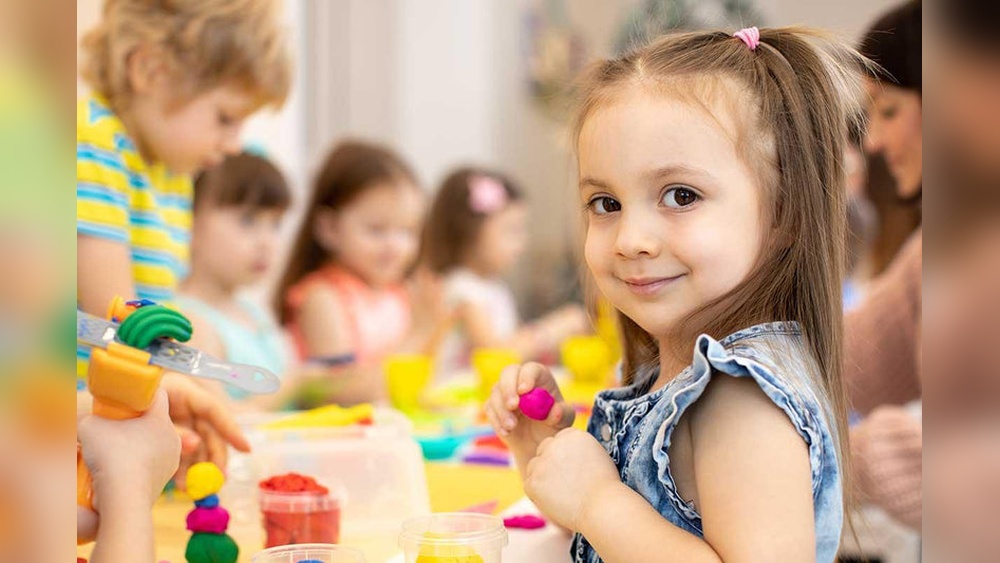
Have you ever wondered why your child clings to one special toy, refusing to let it go? That little stuffed animal or favorite action figure isn’t just a plaything—it holds a deep meaning for your kid.
Understanding why kids get attached to specific toys can help you connect with their feelings and support their emotional growth. Keep reading to discover the surprising reasons behind these strong bonds and how you can use this knowledge to nurture your child’s happiness.

Credit: www.amazon.com
Emotional Comfort And Security
Children often form strong bonds with certain toys. These toys offer more than fun. They provide emotional comfort and a sense of security. These feelings help kids feel safe in their world. Toys can become a small, steady presence during change or stress.
Soothing Effects Of Familiar Toys
Familiar toys bring calm to children. Holding or touching a favorite toy can lower stress. These toys act like a warm hug. The texture, color, or shape comforts kids. This comfort helps children handle new or scary situations.
Role In Reducing Anxiety
Toys can reduce anxiety in many ways. They give children a focus during tough times. A toy can distract from worries. It also helps kids feel less alone. With a favorite toy, children build confidence to face challenges.
Developmental Milestones
Children often get attached to specific toys as these toys play a role in their growth. Developmental milestones help explain why kids prefer certain toys. Each toy supports a key step in a child’s learning and abilities. Understanding these milestones shows how toys influence a child’s development.
Cognitive Growth And Toy Interaction
Toys help children learn to think and solve problems. Puzzles and blocks encourage kids to plan and understand shapes. Playing with toys also improves memory and attention skills. Children repeat actions with toys to understand cause and effect. This back-and-forth helps build their brain’s connections. Favorite toys often match the child’s current thinking abilities.
Building Motor Skills
Many toys help kids develop their motor skills. Grasping small parts improves hand strength and coordination. Moving toys around teaches control and balance. Climbing or pushing toys help strengthen large muscles. Fine motor skills grow as kids manipulate buttons or zippers. These physical skills are crucial for daily tasks and play.
Imaginative Play And Creativity
Imaginative play is a key reason children form strong bonds with certain toys. These toys become tools for creativity and self-expression. Kids use them to create stories and explore new ideas. Such play helps develop their minds and emotions.
Toys As Storytelling Tools
Toys turn into characters in children’s stories. A doll can be a friend, a hero, or a family member. Blocks become castles or spaceships. This storytelling helps kids practice language and social skills. It also makes playtime exciting and personal.
Encouraging Problem Solving
Many toys challenge children to think and solve problems. Puzzles, building sets, and interactive toys require focus and planning. Kids learn to try different solutions and keep trying. This builds confidence and sharpens their thinking skills. Problem solving during play prepares them for real-life challenges.
Social Connections And Identity
Kids form strong bonds with certain toys because these toys help them connect with others and build their sense of self. Toys are not just objects; they play a key role in how children interact and express who they are. Through toys, children find ways to join social groups and show their unique style.
Sharing Toys With Friends
Children often share toys to make friends and feel included. Sharing creates chances to play together and learn teamwork. A favorite toy can become a bridge between kids, sparking conversations and cooperation. This sharing helps children feel part of a group, which is very important for their social growth.
Expressing Personality Through Toys
Toys reflect a child’s likes and interests. Picking a special toy shows what a child enjoys and values. Some kids choose toys that match their moods or hobbies. These toys help kids show who they are without words. This expression builds confidence and helps children stand out among peers.
Sensory Appeal Of Toys
Children often connect deeply with certain toys because of their sensory features. These toys appeal to their senses, making playtime more enjoyable and comforting. Sensory appeal helps kids explore the world around them while feeling safe and happy.
Texture And Color Preferences
Kids love toys with interesting textures. Soft, smooth, or bumpy surfaces invite touch and curiosity. These textures provide comfort and excitement at the same time.
Colors also play a big role. Bright and bold colors catch children’s eyes quickly. Some kids prefer cool colors like blue, while others like warm colors such as red. These color choices help children feel calm or energized.
Sounds And Movements That Attract
Sounds from toys can grab a child’s attention instantly. Gentle jingles or funny noises keep kids entertained. Rhythmic or repetitive sounds create a sense of predictability and fun.
Movements like spinning, bouncing, or wobbling toys fascinate children. These actions make playtime lively and engaging. Moving toys help kids understand cause and effect, building their thinking skills.

Credit: thelittlegreensheep.co.uk
Parental Influence And Memories
Parents play a big role in why kids love certain toys. Memories tied to these toys often start at home. Kids feel safe and happy with toys that remind them of family moments. These toys hold special meanings beyond just play.
Parents often give toys that carry love and care. These gifts create lasting bonds between kids and their toys. The feelings connected to these toys make children want to keep them close.
Gifts From Loved Ones
Toys given by parents, grandparents, or close family become treasures. Kids remember the giver every time they play. This connection makes the toy more than just an object. It becomes a symbol of love and attention.
Receiving a toy as a gift makes children feel special. This feeling makes them hold on to the toy longer. They also share stories about the gift and the person who gave it.
Toys Passed Down Through Generations
Toys handed down from older family members carry rich stories. These toys connect children to their family’s past. Kids enjoy knowing they play with the same toy as their parents did.
Such toys often have marks or signs of love. These signs show the toy’s journey through time. Kids treasure these toys for their uniqueness and family history.
How To Support Healthy Toy Attachment
Helping children develop a healthy attachment to their toys is important. Toys provide comfort and support emotional growth. At the same time, kids need to explore new things for balanced development. Parents and caregivers can guide this process carefully.
Balancing Attachment And Exploration
Allow children to keep their favorite toy close. It gives them a sense of security. At the same time, encourage short breaks from the toy. This helps kids feel safe and curious at once. Gently suggest playing with other toys or activities. This balance supports both comfort and growth.
Encouraging New Interests
Introduce new toys slowly and with excitement. Share how these toys work or what they can do. Show interest in the child’s play with new items. Praise their curiosity and efforts. This approach makes trying new things fun and less scary. Over time, children will enjoy a wider range of toys.

Credit: www.whattoexpect.com
Frequently Asked Questions
Why Do Kids Form Strong Bonds With Certain Toys?
Kids form strong bonds with toys that provide comfort and familiarity. These toys often represent security and emotional support. Children use them to express feelings and cope with stress. The attachment also helps build imagination and confidence during playtime.
How Do Specific Toys Aid Child Development?
Specific toys boost creativity, problem-solving, and motor skills. They encourage exploration and independent thinking. Toys that children prefer often match their developmental stage and interests. This engagement promotes learning and emotional growth effectively.
Can Attachment To Toys Affect Social Skills?
Attachment to toys can help develop empathy and communication skills. Children often role-play with toys, practicing social interactions. However, excessive dependence may limit real-world social experiences. Balanced play encourages healthy social development alongside toy attachment.
What Role Does Comfort Play In Toy Attachment?
Comfort is key in toy attachment as toys offer emotional support. They help children feel safe during new or stressful situations. This comfort boosts confidence and reduces anxiety. Familiar toys create a sense of stability for kids.
Conclusion
Kids form bonds with toys for comfort and fun. Toys often become a child’s friend during play. These special toys help kids feel safe and happy. They also support learning and imagination every day. Understanding why kids get attached helps parents choose better toys.
It also shows how play shapes a child’s world. Each toy tells a story unique to the child. This bond is natural and important for growth. Treasure these moments; they build memories that last.
