

You’ve just finished cleaning your child’s toys, but now you wonder—how long should they air dry? Leaving toys wet can be risky, but rushing to use them too soon might undo all your hard work.
Finding the right drying time keeps your child safe from germs and ensures their toys stay in great shape. You’ll discover simple, clear answers to help you know exactly when those toys are ready to play with again. Keep reading to protect your little one and make cleaning hassle-free!
Credit: www.cdc.gov
Factors Affecting Drying Time
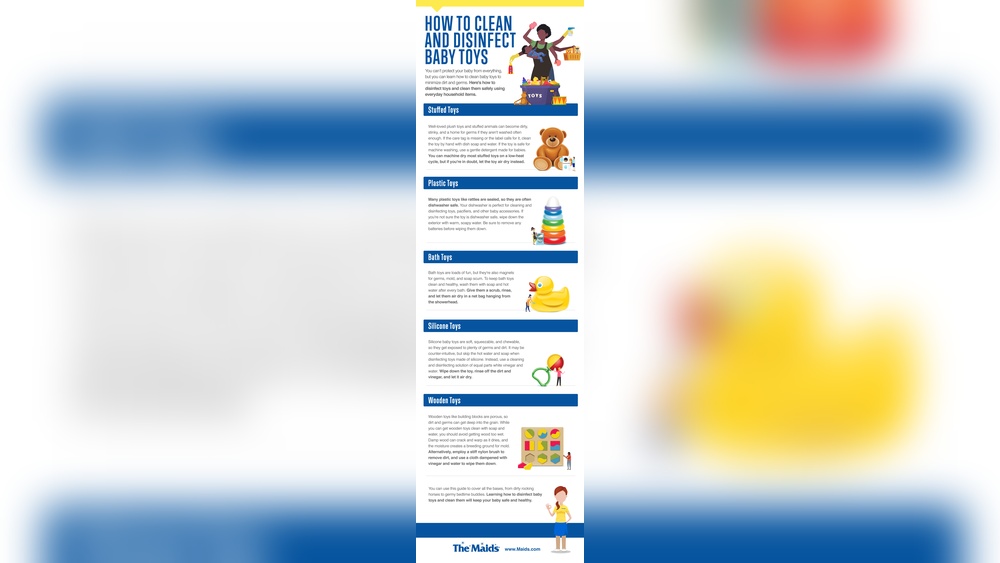
Drying time for toys after cleaning depends on several factors. These factors influence how quickly water evaporates from the toy’s surface and inside. Understanding these can help you decide how long to air dry your toys safely.
Material Type
Different materials absorb and hold water differently. Plastic toys dry faster because they do not soak up water. Stuffed toys take longer to dry since their fabric soaks water deep inside. Wood toys may swell if not dried properly and need extra time to air dry fully.
Cleaning Method
The way you clean a toy affects drying time. Wiping with a damp cloth leaves less water, so drying is quicker. Submerging toys in water or using a spray means more moisture to evaporate. Toys cleaned with soap need thorough rinsing and extra drying time to remove all residue.
Humidity And Temperature
Air moisture and room temperature play a big role. High humidity slows down evaporation, making drying take longer. Warm, dry air speeds up drying by pulling moisture from the toy. Placing toys near a fan or in a sunny spot helps reduce drying time significantly.
Recommended Drying Times For Common Toys
Knowing how long toys should air dry after cleaning helps keep them safe and ready to use. Different materials need different drying times. Giving toys enough time to dry stops mold and bacteria growth. It also keeps toys in good condition longer.
Plastic Toys
Plastic toys dry fastest. They usually take about 1 to 2 hours to air dry. Spread them out on a clean towel in a well-ventilated place. Avoid direct sunlight as it may cause colors to fade. Make sure all water drips off before storing.
Stuffed Animals
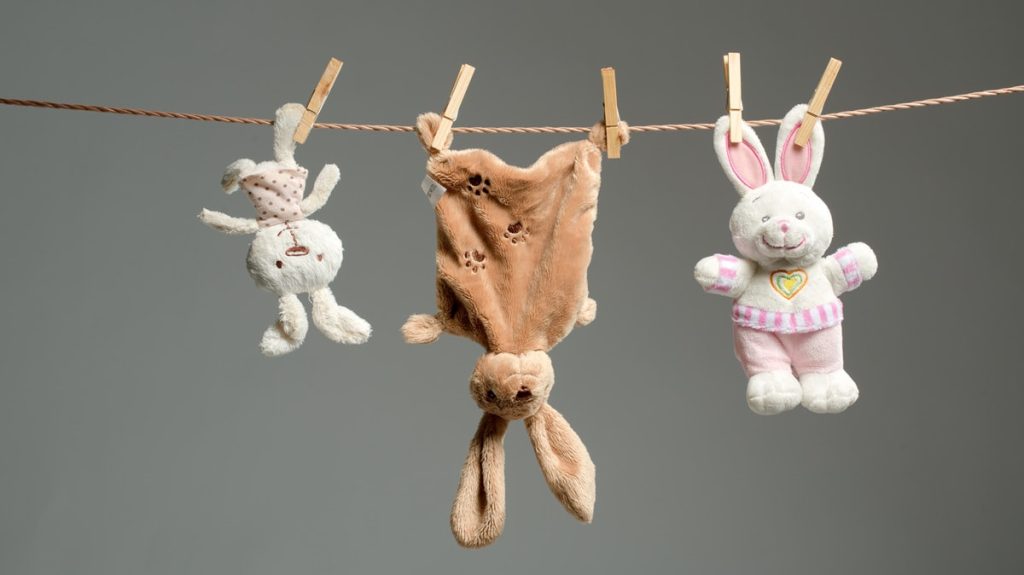
Stuffed animals hold more water inside. They need longer drying time. Usually, 24 hours is enough for small stuffed toys. Larger ones may take up to 48 hours. Place them in a dry, airy room. Fluff the fur or fabric now and then for even drying.
Wooden Toys
Wooden toys absorb water slowly. They need careful drying to avoid cracks. Air dry them for 6 to 12 hours. Do not put wooden toys in direct sunlight. Keep them in a cool, dry place instead. Turn toys occasionally to dry all sides well.
Best Practices For Air Drying Toys
Air drying toys after cleaning is a simple step that keeps them safe and ready to use. Proper air drying stops water from staying inside. This prevents germs and damage. Following best practices helps toys dry fast and clean. Let’s explore key tips to dry toys well.
Proper Placement
Place toys in a clean, open area for drying. Use a flat surface or a drying rack. Keep toys away from direct sunlight to avoid color fading. Position toys so air flows around all sides. This helps water evaporate quickly and evenly.
Avoiding Mold And Mildew
Do not stack toys while drying. Moisture trapped between toys causes mold growth. Separate toys to let air circulate freely. Check toys for damp spots after drying time. If any dampness remains, dry longer before storing.
Ensuring Thorough Drying
Dry toys for at least 2 to 4 hours, depending on size. Small toys may dry faster; large or hollow toys take longer. Shake out water from holes or seams before drying. Use a clean towel to remove excess water. Make sure every part feels dry to touch.
Credit: fantasticcleaners.com.au
Signs Toys Are Fully Dry
Knowing when toys are fully dry after cleaning is important. Wet toys can grow mold and bacteria. It can also cause damage to the toy material. You can check toys by using simple signs. These signs help ensure toys are safe and clean to use again.
Touch And Texture
Feel the toy’s surface with your fingers. It should feel dry and smooth. No damp or sticky spots should remain. Soft toys may need a gentle squeeze to check inside. If moisture comes out, the toy needs more drying time.
Smell Check
Smell the toy for any damp or musty odors. A fresh toy has no strange smell. Wet toys often smell like mildew or damp cloth. If you notice a bad smell, dry the toy longer in fresh air.
Weight And Appearance
Compare the toy’s weight before and after drying. Wet toys feel heavier due to trapped water. A fully dry toy feels lighter and normal. Also, check for any wet spots or color changes. Dry toys keep their original look and shape.
Tips To Speed Up Drying Safely
Speeding up the drying process of toys is helpful, especially when you need them ready quickly. Safe drying keeps toys clean and in good shape. Using simple methods can make drying faster without causing damage. Here are some easy tips to dry toys safely and faster.
Using Fans Or Ventilation
Place toys near a fan to help air move around them. The airflow helps water evaporate quicker. Open windows or doors to improve ventilation in the room. Good air circulation lowers drying time. Avoid crowded spaces where air cannot flow freely.
Sunlight Exposure
Sunlight can dry toys faster and kill some germs. Put toys outside on a dry, sunny day. Turn them often to dry all sides evenly. Do not leave toys in the sun too long. Some materials can fade or become brittle under strong sunlight.
Avoiding Heat Damage
Avoid using high heat to dry toys. Hot air or direct heat can melt or warp plastic parts. Keep toys away from heaters or hair dryers. Use only gentle warmth and natural airflow. This protects the toy’s shape and safety for children.
Credit: www.cdc.gov
Frequently Asked Questions
How Long Should Toys Air Dry After Cleaning?
Toys should air dry for at least 2 to 4 hours. This ensures they are completely dry and safe to use. Some materials may require longer drying times to prevent mold and bacteria growth.
Does Drying Time Vary By Toy Material?
Yes, drying time depends on the toy’s material. Plastic toys dry faster, usually within 2 hours. Fabric or plush toys may take 6 to 24 hours to dry fully.
Can I Speed Up Toy Drying Time Safely?
You can speed drying by placing toys in a well-ventilated area. Using a fan helps but avoid direct sunlight to prevent damage. Never use a dryer unless the toy’s label permits it.
Why Is Proper Drying Important After Cleaning Toys?
Proper drying prevents mold, mildew, and bacteria buildup on toys. Damp toys can harbor germs, risking children’s health. Ensuring toys are fully dry keeps them safe and hygienic for play.
Conclusion
Toys need enough time to dry after cleaning. Usually, 2 to 4 hours works well. Drying fully helps stop germs and mold from growing. Air drying keeps toys safe and clean for kids. Always place toys in a dry, sunny spot.
Avoid quick drying methods that can damage toys. Clean and dry toys well for healthy playtime. Remember, patience helps keep toys fresh and safe.
