

Are your kids’ toys taking over every corner of your home? It’s easy to feel overwhelmed when piles of toys start to clutter your living space.
But what if you could create a calm, organized environment that both you and your children enjoy? You’ll discover simple, practical steps to declutter kids’ toys without the stress. Imagine walking into a tidy room where every toy has its place — and your kids can find what they want quickly.
Keep reading to learn how to make that vision a reality today.
Benefits Of Decluttering Toys
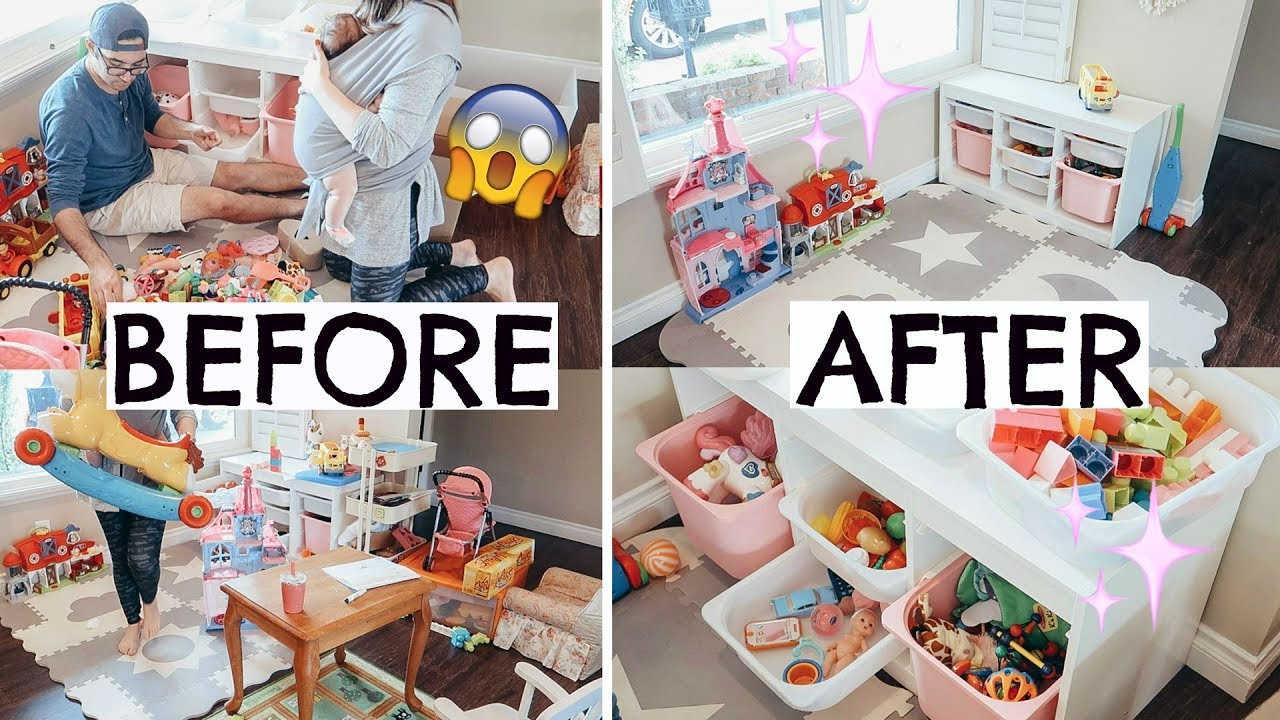
Decluttering kids’ toys brings many benefits to your home and family life. It helps create a cleaner and more organized space. Kids can enjoy their toys better. The process also teaches valuable life skills. Less clutter means less mess and fewer arguments over lost toys.
Creating More Play Space
Removing extra toys frees up room for play. Kids get more space to move and be creative. It makes the play area safer and less crowded. A tidy space invites more fun and active play. Clear floors and shelves help kids find their favorite toys quickly.
Encouraging Responsibility
Decluttering teaches kids to care for their belongings. They learn to decide which toys to keep or give away. This builds decision-making skills and self-control. Kids feel proud when they organize their toys. It shows them how to keep their space neat daily.
Reducing Stress At Home
Too many toys can create chaos and noise. A clutter-free space brings calm and order. It lowers stress for both parents and children. Cleaning up becomes faster and easier. A peaceful home helps everyone relax and enjoy time together.
Credit: www.lallardentariel.com
Preparing For Toy Decluttering
Preparing for toy decluttering helps make the process smooth and stress-free. It sets the stage for organizing and sorting through toys. Taking a few simple steps before you start saves time and keeps everyone calm. Planning ahead makes the task easier and more enjoyable for both you and your kids.
Gathering Supplies
Collect boxes, bags, and markers before you begin. Use clear bins for sorting toys to keep things visible. Have trash bags ready for broken or unusable items. Label each container to sort toys by type or condition. Supplies help keep the process tidy and organized.
Setting A Schedule
Choose a time that works best for your family. Short sessions work better than long, tiring ones. Set a date and stick to it. Regularly scheduled decluttering prevents toys from piling up again. A clear plan keeps the task manageable and less overwhelming.
Involving Your Kids
Invite your children to join the decluttering process. Explain why sorting toys is important in simple words. Let them decide which toys to keep or donate. This teaches responsibility and respect for their belongings. Kids feel proud and more willing to help.
Sorting Toys Efficiently
Sorting toys efficiently is the key to a tidy play area. It saves time and makes cleanup easier. A clear system helps children know where to put things back. Start by grouping toys smartly. Then, decide which toys to keep or give away. This process keeps the toy collection manageable.
Categorizing By Type
Group toys by their type first. Put all cars together, puzzles in one place, and dolls in another. This method shows how many toys of each kind there are. It also helps find missing pieces faster. Sorting by type is the first step to organize well.
Identifying Broken Or Unused Items
Check each toy for damage. Broken toys can cause safety risks. Remove toys with missing parts or that don’t work. Also, spot toys your child never plays with. These items only take up space. Setting them aside helps clear room for favorites.
Choosing What To Keep
Keep toys that are safe and loved. Choose toys that fit your child’s age and interests. Keep a mix of educational and fun toys. Limit the number to what fits in storage. This keeps the play area neat and inviting.

Credit: bloomsburymill.com
Organizing And Storing Toys
Organizing and storing kids’ toys helps keep the home tidy and safe. It also teaches children responsibility and care for their belongings. Clear storage solutions make playtime more fun and cleanup faster. A good system saves space and reduces daily stress for parents and kids alike.
Using Storage Bins And Labels
Storage bins come in many sizes and shapes to fit all toys. Clear bins let kids see what is inside easily. Label each bin with words or pictures. Labels help children know where to put toys back. Using bins keeps small pieces from getting lost or scattered.
Creating Toy Zones
Set up different areas for types of toys. One zone for building blocks, another for stuffed animals. Zones keep toys organized and easy to find. Kids learn to return toys to their special place. Zones also help limit mess to certain parts of the room.
Maintaining Easy Access
Store toys at child’s height for independence. Use low shelves or open bins for quick reach. Avoid stacking too many bins high or deep. Easy access encourages kids to clean up after playing. Clear paths and simple setups reduce frustration.
Donating And Recycling Toys
Donating and recycling toys helps clear clutter and supports others. It gives old toys a new life. This process also teaches kids about kindness and responsibility. Sorting toys into donate and recycle piles makes the task easier. Here are some ways to donate and recycle toys safely.
Finding Local Charities
Many local charities accept gently used toys. Check community centers, shelters, and churches. Some organizations run toy drives during holidays. Call ahead to ask about donation rules. Clean toys and remove batteries before donating. Drop off toys in good condition to bring joy to children in need.
Safe Recycling Options
Plastic and electronic toys need special recycling. Many areas have recycling centers for these items. Search for toy recycling programs or e-waste events nearby. Broken toys might not be accepted. Separate materials like metal and plastic for proper disposal. Recycling reduces landfill waste and protects the environment.
Teaching Kids About Giving
Involve kids in the donation process. Explain how their toys help other children. Let them choose which toys to give away. Praise their generosity to build positive habits. Making giving a fun activity helps kids understand sharing. This lesson encourages empathy and responsibility from a young age.
Maintaining A Clutter-free Toy Area
Keeping a toy area tidy is important for kids and parents. A clutter-free space helps children find toys easily. It also creates a calm and safe play area. Maintaining this order takes small, regular efforts. These efforts make a big difference over time.
Establishing Clean-up Routines
Create simple clean-up rules for kids to follow daily. Set a specific time for tidying up, like before dinner. Make it fun by turning it into a game or challenge. Praise kids for cleaning up quickly and carefully. Small habits build a lasting routine that keeps toys organized.
Regular Toy Audits
Check the toy collection often to remove broken or unused items. Donate toys that children no longer play with. Keep only the toys that bring joy and learning. This practice reduces clutter and makes space for new playthings. Regular checks prevent toy piles from growing too large.
Encouraging Mindful Toy Purchases
Teach kids to think before asking for new toys. Focus on quality, not quantity, when buying toys. Choose toys that encourage creativity and learning. Limiting toy purchases helps keep the play area neat. Mindful buying reduces clutter and supports better play habits.
Credit: modernminimalism.com
Frequently Asked Questions
How Often Should I Declutter Kids Toys?
Declutter kids toys every 3 to 6 months. Regular sorting prevents buildup and keeps play areas organized. It also helps identify broken or unused toys for donation or disposal.
What Are The Best Ways To Sort Kids Toys?
Sort toys by type, size, or frequency of use. Use bins or shelves to separate categories. This method makes cleanup easier and teaches kids to organize their belongings.
How Can I Involve Kids In Decluttering Toys?
Make decluttering a fun activity by turning it into a game. Encourage kids to choose toys to keep or donate. This teaches responsibility and decision-making skills.
Where Should I Donate Unwanted Kids Toys?
Donate to local shelters, daycare centers, or charities accepting toys. Ensure toys are clean and in good condition. Donating helps children in need and reduces waste.
Conclusion
Decluttering kids’ toys can bring calm and order to your home. It helps kids learn to value what they have. Sorting toys by type or size makes cleanup easier. Giving away unused toys teaches sharing and kindness. Keep only what sparks joy or is often played with.
This simple habit saves space and reduces stress daily. Try small steps, one room or box at a time. Your home will feel lighter and more peaceful soon. A tidy space means more time for fun and family.
