

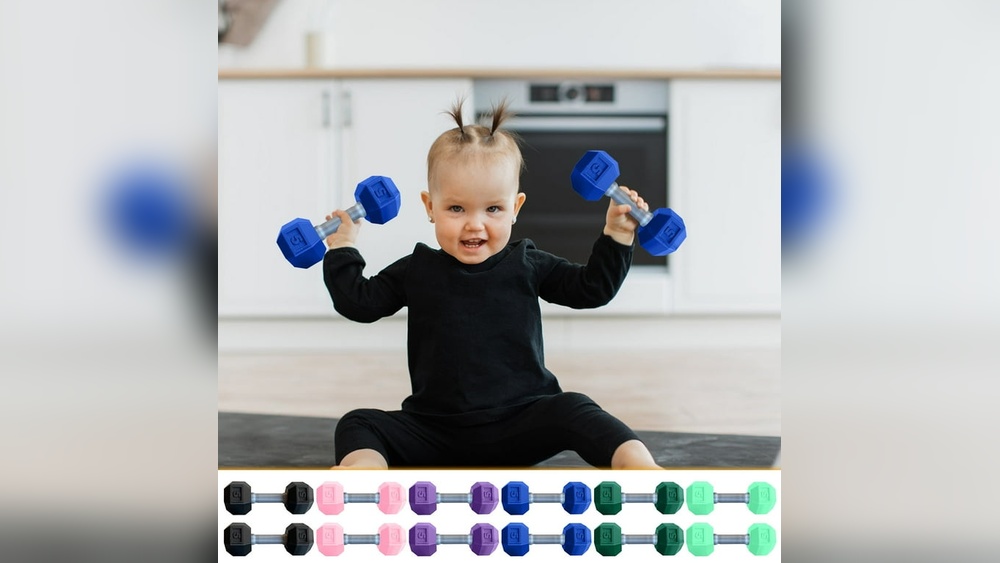
Have you ever wondered why the weight of a toy matters so much for your baby? It’s not just about how fun or colorful a toy is—how heavy or light it feels can actually impact your little one’s safety, comfort, and development.
Choosing the right toy weight can help your baby explore the world with confidence and ease. Keep reading to discover the surprising reasons why toy weight plays a key role in your baby’s growth and happiness.
Toy Weight And Baby Safety
Toy weight plays a crucial role in keeping babies safe during playtime. Choosing toys that are too heavy can cause accidents or physical strain. Light toys help babies hold and move objects easily, supporting safe play and learning. Understanding the right toy weight ensures babies enjoy play without harm.
Impact On Baby’s Physical Development
Light toys help babies build hand strength and coordination. Heavy toys can tire little muscles quickly. Babies learn to grasp and lift better with toys they can handle. The right weight supports growing bones and muscles without strain.
Risks Of Heavy Toys
Heavy toys may cause injuries if dropped on hands or feet. They increase the chance of accidents during play. Babies might struggle to hold heavy toys, causing frustration or falls. Unsafe toy weight can slow down motor skill progress.
Safe Weight Limits For Different Ages
Newborns need very light toys, often under 100 grams. Babies 6 to 12 months can handle toys up to 200 grams. Toddlers 1 to 2 years may use toys weighing up to 500 grams. Always check the toy’s weight and match it to your baby’s age and ability.

Credit: www.ebay.com
Comfort And Play Experience
Toy weight plays a big role in how comfortable a baby feels while playing. Babies use their hands to explore the world. Toys that are too heavy can make play tiring and frustrating. The right weight helps babies hold toys easily and enjoy their playtime longer. Comfort and play experience go hand in hand for a baby’s development.
How Weight Affects Baby’s Grip
Babies have small hands and weak muscles. Heavy toys can slip from their grip or make their hands tired. Light toys fit better in tiny hands. Babies can hold them longer and use both hands freely. This helps improve their grip strength and hand coordination. Toys with the right weight encourage babies to play more and learn faster.
Choosing Lightweight Toys For Easy Handling
Lightweight toys are easier for babies to carry and move. They allow babies to explore different ways to hold and touch the toy. This builds confidence and curiosity. Lightweight toys reduce the chance of dropping or hurting themselves. Parents should choose toys that feel light but still fun. This keeps play safe and enjoyable.
Balancing Weight With Toy Durability
Durable toys last longer and stay safe during rough play. Sometimes durable toys are heavier. Finding a balance is important. Toys should be light enough for babies to hold but strong enough to resist breaking. Materials like soft plastic or light wood work well. This balance supports comfort and ensures safe play every time.
Material Choices And Weight
Choosing the right material for baby toys affects their weight and safety. Light toys are easier for babies to hold and play with. Heavy toys might cause discomfort or injury. The material also impacts how long the toy lasts and how safe it is for chewing.
Common Materials And Their Weights
Plastic is popular and usually lightweight. It comes in many colors and shapes. Wood is heavier but very durable. It feels natural and safe. Metal toys are rare and often heavy. They can be cold and hard for babies. Fabric toys are soft and light. They are good for cuddling and gentle play.
Eco-friendly Lightweight Options
Natural rubber toys are soft and light. They are safe for teething babies. Bamboo toys are light and strong. Bamboo grows quickly, making it eco-friendly. Organic cotton toys are gentle and light. They are good for babies with sensitive skin. Choosing eco-friendly materials helps the planet and your baby.
Tips For Selecting The Right Toy Weight
Selecting the right toy weight for babies is important. Toys that are too heavy can strain little arms. Toys that are too light may not hold the baby’s attention. Choosing the correct weight helps babies play safely and comfortably. This section offers simple tips to find the best toy weight for your baby.
Testing Toy Weight Before Purchase
Hold the toy in your hand to feel its weight. Imagine if a baby’s hand could carry it easily. Pick up the toy with one hand and see if it feels balanced. Avoid toys that feel too heavy or awkward to hold. This quick test helps avoid toys that might be too hard for babies to manage.
Considering Baby’s Age And Strength
Babies grow fast and their strength changes. Choose lighter toys for newborns and infants under six months. As babies get older, they can handle toys with more weight. Match the toy weight to the baby’s current muscle strength. This keeps playtime safe and fun.
Monitoring Baby’s Reaction To Toy Weight
Watch how your baby handles a new toy. Notice if they struggle to lift or hold it. See if they drop the toy often or get frustrated. A baby’s comfort shows if the toy weight is right. Adjust toy choices based on these reactions to support healthy play.
Signs A Toy Is Too Heavy
Choosing the right toy weight is important for babies’ safety and comfort. Toys that are too heavy can cause problems. Babies may show signs that a toy is too heavy for them to handle. Paying attention to these signs helps prevent injury and frustration.
Physical Strain Indicators
Babies may struggle to lift a heavy toy. Their arms can shake or tire quickly. You might see them drop the toy often. Sometimes, they hold the toy awkwardly. This can cause discomfort or muscle strain. Watch for red marks or scratches on their hands. These signs show the toy is too heavy.
Behavioral Clues From Baby
A baby may refuse to play with a heavy toy. They might push it away or cry. Some babies become frustrated or lose interest fast. They may only play for a short time. If a baby avoids using a toy, weight could be the issue. Pay attention to these clues for safer play.

Credit: www.amazon.com

Credit: infantino.com
Frequently Asked Questions
Why Is Toy Weight Important For Babies?
Toy weight affects a baby’s ability to grasp and hold objects. Lightweight toys promote better motor skills. Heavy toys can cause frustration or injury. Choosing the right weight supports safe and enjoyable play for babies.
How Does Toy Weight Impact Baby Development?
Appropriate toy weight helps develop hand strength and coordination. It encourages exploration and fine motor skills. Toys that are too heavy or too light can hinder progress. Balanced weight fosters physical and cognitive growth in babies.
What Is The Ideal Toy Weight For Infants?
The ideal toy weight is light enough for easy gripping. Generally, toys under 200 grams are suitable for babies. Lightweight toys allow safe handling and reduce strain on little hands. This helps babies engage comfortably during playtime.
Can Heavy Toys Harm Babies?
Yes, heavy toys can cause strain or injury to babies. They may drop the toy or struggle to hold it. This can lead to frustration or accidents. Always choose age-appropriate, lightweight toys to ensure safety.
Conclusion
Choosing the right toy weight helps babies play safely and happily. Light toys are easy to hold and move for little hands. Heavy toys can cause strain or accidents. A balanced weight supports growth and learning. Parents should watch how babies handle toys.
Safe toys encourage fun and skill-building every day. Weight matters more than many think. Keep toys light, safe, and fun for your baby’s best start.
