

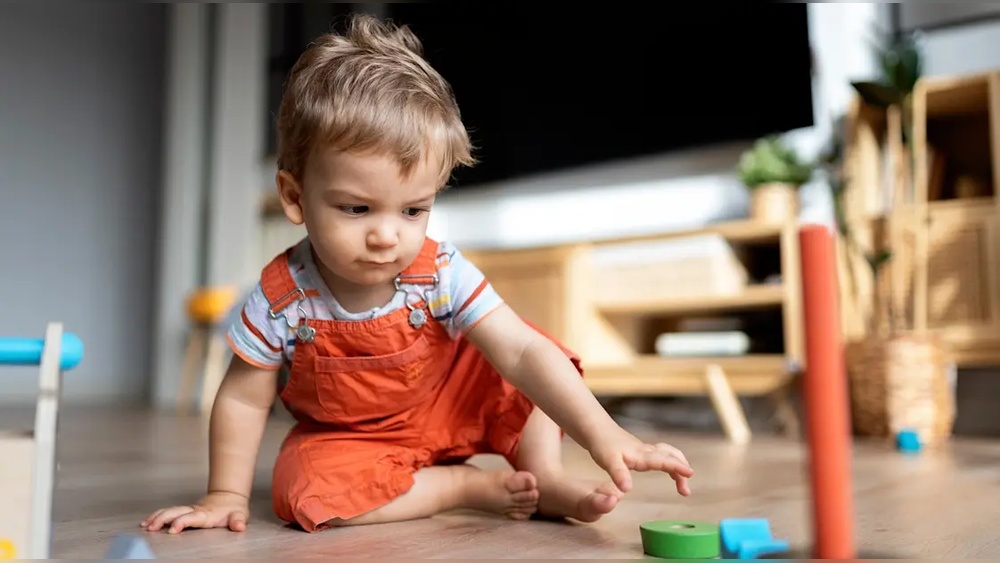
Have you ever wondered when your child will start picking their own toys without your help? That moment is more important than you might think.
It shows your little one’s growing independence and sparks their creativity. Understanding when kids begin choosing toys on their own can help you support their development in the best way. Keep reading to discover the signs to watch for and how you can encourage your child’s independence through play.

Credit: www.amazon.com
Early Signs Of Toy Preferences
Children start showing their toy preferences early in life. These early signs help parents understand what captures their child’s interest. Watching closely can reveal important clues about their choices. These clues guide caregivers in selecting toys that match their child’s tastes.
Recognizing Favorite Objects
Babies often reach for certain toys again and again. This repeated choice shows a clear preference. They may hold one toy longer than others. Sometimes, a child smiles or laughs when they see a favorite object. These behaviors highlight their attachment to specific toys.
Responses To Colors And Shapes
Bright colors often attract young children’s attention first. They tend to pick toys with vivid reds, blues, or yellows. Simple shapes like circles or squares also catch their eye. Children may show excitement by moving towards toys with these features. These reactions help identify what kind of toys they like most.
Choosing Toys Around One Year
Choosing toys around one year is a special time for toddlers. They start to show real interest in picking toys by themselves. This stage marks the beginning of their independence and decision-making skills. Watching a child choose toys reveals much about their growing abilities and preferences.
Grasping And Reaching Choices
At one year, babies develop better hand control. They begin to grasp toys with more purpose. Their reaching skills improve as they explore the world around them. Toys that fit their small hands attract their attention. Soft blocks, rattles, and simple puzzles become favorites. These choices help develop their motor skills and coordination.
Influence Of Parent And Environment
Parents and surroundings play a big role in toy choices. Kids often pick toys they see adults use or show interest in. A colorful and safe play area invites them to explore. Parents’ reactions to toy choices also guide children’s preferences. A supportive environment encourages more independent toy selection. This early freedom builds confidence and curiosity in toddlers.
Independence In Toy Selection At Two Years
At two years old, children start showing more independence in choosing toys. This age marks a key moment in their development. They begin to pick toys based on what they like and what interests them. This choice helps build their confidence and decision-making skills.
Parents often notice toddlers reaching for certain toys repeatedly. These choices reflect their growing personality and preferences. Encouraging this independence supports their learning and creativity. It also helps them express their feelings and ideas through play.
Expressing Likes And Dislikes
Two-year-olds start to clearly show what toys they enjoy. They may smile or laugh when playing with some toys. They might push away toys they do not like. This behavior is a way of telling adults their preferences.
Children at this stage often use simple words or gestures. They say “yes” or “no” to toys. Sometimes, they point or reach out for a specific toy. These actions guide parents to provide toys that match their child’s interest.
Role Of Imaginative Play
Imaginative play becomes important at two years old. Kids use toys to create stories and pretend games. Dolls, cars, and blocks become tools for their imagination. This play helps develop language and thinking skills.
Choosing toys independently lets children explore their creativity. They learn to solve problems and act out emotions. Imaginative play also builds social skills when they play with others. Toys become more than objects; they become a way to understand the world.
Making Decisions By Age Three
By age three, children start making simple choices about their toys. This stage marks a big step toward independence. They begin to show what they like and dislike. Their decisions reflect growing personal tastes and social awareness.
Developing Personal Preferences
At three, kids test different toys to see what feels fun. They choose colors, shapes, and types they enjoy most. These choices reveal their interests and personality. Picking a favorite toy shows early decision-making skills. Parents can watch closely to understand their child’s likes.
Peer Influence On Choices
Friends and playmates affect toy choices at this age. Kids want toys that match what their friends use. They copy others to feel included and accepted. Sharing toys and stories helps them learn social rules. Peer impact often guides what toys become popular.
Factors Affecting Toy Choices
Children start choosing toys on their own based on many factors. These factors shape their preferences and interests. Understanding these helps adults support a child’s growth and creativity.
Cognitive And Motor Skills
Kids pick toys that match their thinking and movement skills. Young toddlers choose toys that are easy to hold and move. As their hands and brain grow, they want more complex toys. Puzzles, building blocks, and simple games attract older children. These toys help improve problem-solving and hand-eye coordination. Children feel proud when they manage toys that challenge them.
Cultural And Social Impact
Culture shapes the types of toys children like. Family traditions and community values guide their choices. Social groups also influence toy preferences. Kids often select toys seen with friends or siblings. TV shows and stories from their culture affect what they want. Toys that reflect their environment help them feel connected. This social learning makes playtime meaningful and fun.

Credit: www.amazon.com
Encouraging Independent Toy Selection
Encouraging children to choose their own toys helps build their confidence and decision-making skills. It allows them to explore their interests and develop independence. Parents and caregivers play a key role in supporting this learning process. Creating the right environment and knowing when to guide can make a big difference.
Helping kids pick toys on their own also teaches responsibility. They learn to take care of their belongings and understand what they enjoy. This simple step supports their growth in many ways.
Creating A Supportive Environment
Arrange toys where children can easily reach them. Low shelves or open bins work well. This setup invites children to browse and choose without help. Keep a variety of toys available to spark different interests. Rotate toys regularly to keep choices fresh and exciting.
Use clear labels or pictures on toy boxes. This helps children identify what is inside. It also encourages them to put toys back in the right place. A tidy space makes independent choosing easier and more fun.
Balancing Guidance And Freedom
Offer gentle suggestions without taking over. For example, ask which toy they want to play with today. Listen carefully to their answers. Support their choices, even if they seem unusual. This respect boosts their confidence.
Set simple limits to keep playtime safe and fair. Explain why some toys need adult supervision. Give options within those boundaries. This balance helps children feel free but secure.
Encourage children to try new toys. Praise their efforts in picking and playing. This support helps them enjoy making decisions and feel proud.

Credit: www.ecr4kids.com
Frequently Asked Questions
When Do Kids Start Choosing Toys Independently?
Children typically start choosing toys independently around age 2 to 3. At this stage, they develop preferences and express interests. This independence grows as their cognitive and motor skills improve, allowing them to make simple decisions based on enjoyment and curiosity.
How Does Toy Choice Reflect Child Development?
Toy choices reflect a child’s cognitive and emotional growth. Preferences evolve with language skills, imagination, and social interaction. Selecting toys helps children explore their interests, build skills, and express creativity, which supports overall development and learning.
What Influences A Child’s Toy Selection?
A child’s toy selection is influenced by curiosity, age, environment, and parental guidance. Exposure to various toys and peers also shapes choices. Children pick toys that match their developmental stage, interests, and the sensory experiences they seek.
When Do Kids Show Strong Toy Preferences?
Strong toy preferences usually appear between ages 3 and 5. During this period, children develop clearer likes and dislikes. They often choose toys that relate to favorite themes or characters, reflecting their growing identity and social understanding.
Conclusion
Kids usually start picking toys on their own around age two or three. This shows growing independence and personal choice. Parents can support this by offering simple options. Watching kids choose helps understand their interests and needs. Every child is different, so timing can vary.
Encouraging independent choices builds confidence and creativity. Keep toy options safe and age-appropriate. This small step matters in a child’s growth journey. Let kids explore and enjoy their picks freely.
